 +86 15853226810
Leave Your Message
-
Contact WhatsApp
-
 Contact Phone
-
 Contact Email
Discover our primary structural models engineered explicitly for heavy-duty applications and modern manufacturing facilities.
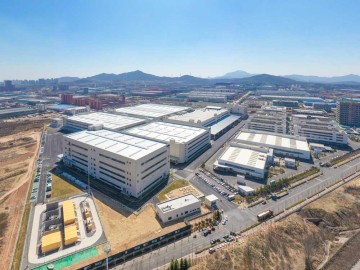
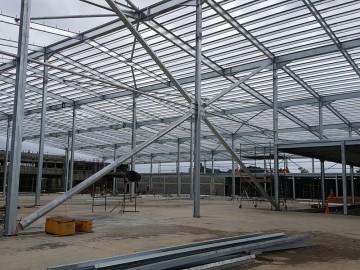
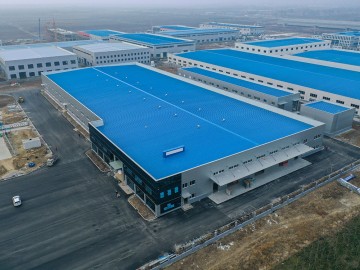
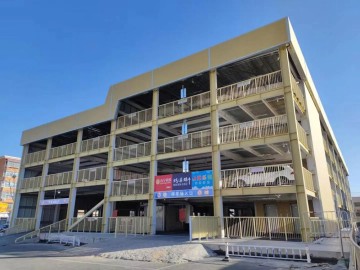
In the contemporary industrial landscape, the infrastructure supporting manufacturing plants has undergone a massive paradigm shift. Traditional concrete and brick-and-mortar factories are rapidly being replaced by highly engineered, prefabricated steel structure warehouses. This transition is not merely a trend; it is a strategic response to the global demand for operational efficiency, rapid scalability, and environmental sustainability. Manufacturing plants today require spatial layouts that can accommodate heavy machinery, dynamic production lines, automated storage and retrieval systems (ASRS), and extensive logistics operations. Steel, with its unparalleled strength-to-weight ratio, presents the ultimate material choice to satisfy these complex industrial requirements.
The commercial market for industrial steel buildings is experiencing unprecedented growth. Industry analysts attribute this trajectory to the rapid expansion of e-commerce, the localization of supply chains, and the global push for advanced manufacturing facilities (such as semiconductor fabs, automotive gigafactories, and pharmaceutical plants). A steel structure warehouse designed for manufacturing plants offers a highly flexible, open-span environment. By eliminating the need for frequent load-bearing columns, steel framing allows plant managers to optimize floor plans, streamline workflows, and easily reconfigure assembly lines as production demands evolve. This level of adaptability is critical in the era of Industry 4.0, where manufacturing methodologies are continuously updated.
“Modern manufacturing demands structural resilience, spatial flexibility, and rapid deployment. Prefabricated steel structural systems deliver these elements with precision, providing a future-proof foundation for global industries.”
Maximizes usable floor space by eliminating interior columns, perfect for large manufacturing assembly lines and overhead crane operations.
Components are prefabricated off-site and bolted together on-site, cutting construction timelines by up to 50% compared to traditional concrete.
Steel is 100% recyclable, has a lower carbon footprint, and easily integrates high-efficiency insulation and solar panels.
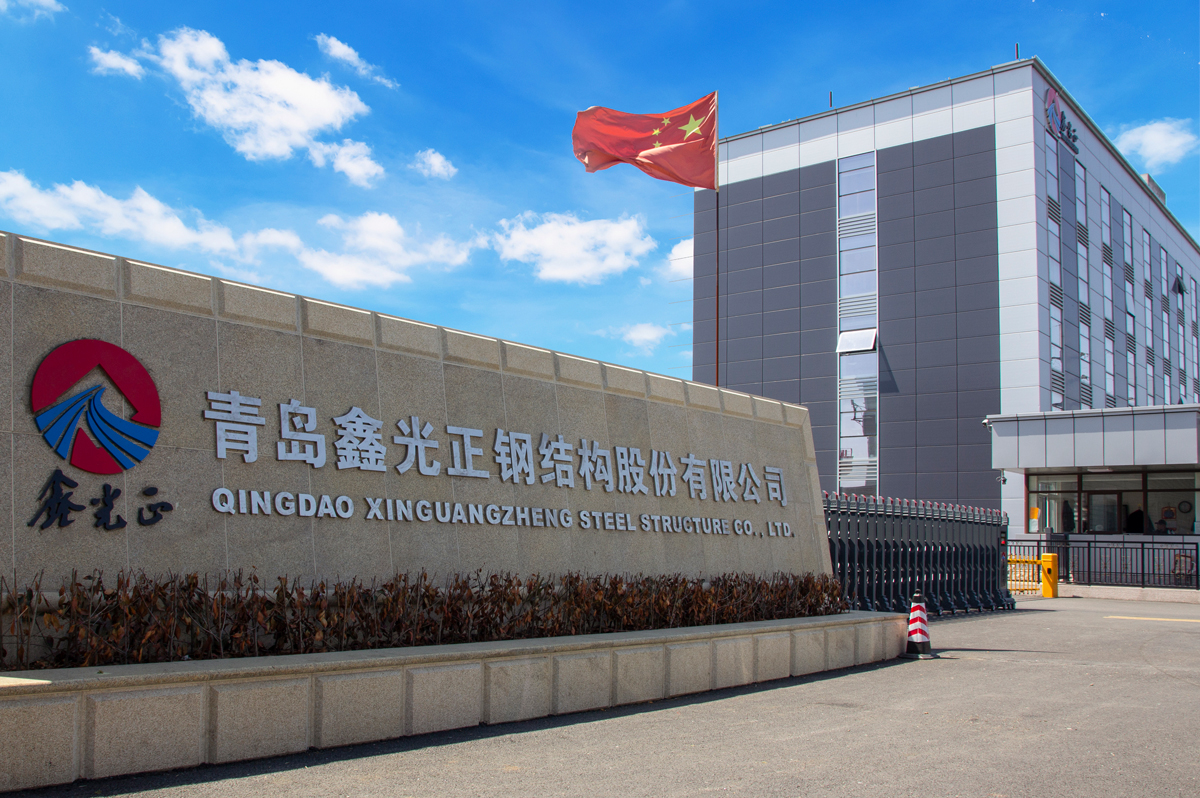
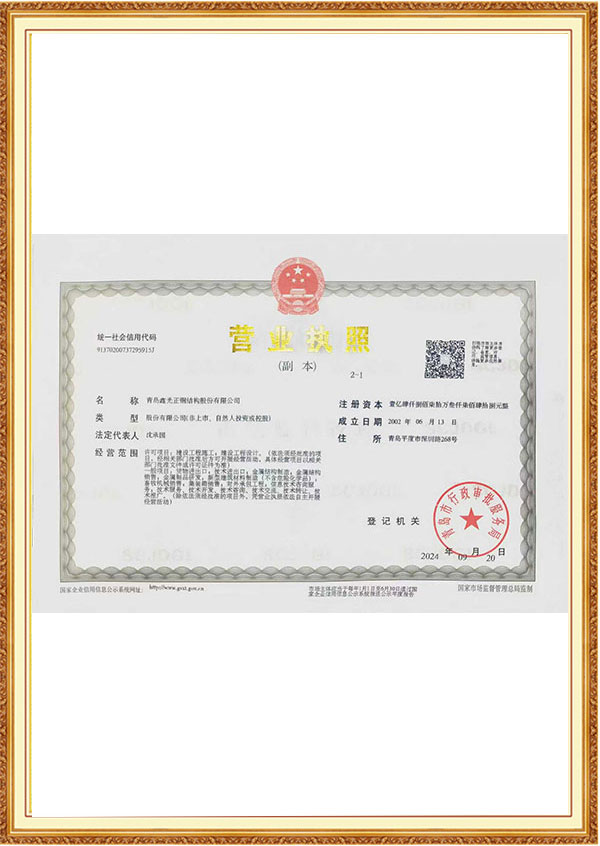
Qingdao Xinguangzheng Steel Structure Co., Ltd. was founded in 2002 and successfully listed on the National Equities Exchange and Quotations (NEEQ) in 2015, a key step in our standardized and international development that laid a solid foundation for our global market expansion and standardized operation. Headquartered in Pingdu, Qingdao, our company covers a total area of more than 140,000 square meters, which is divided into intelligent production area, R&D and design area, office area and logistics storage area, creating a scientific and efficient operation layout.
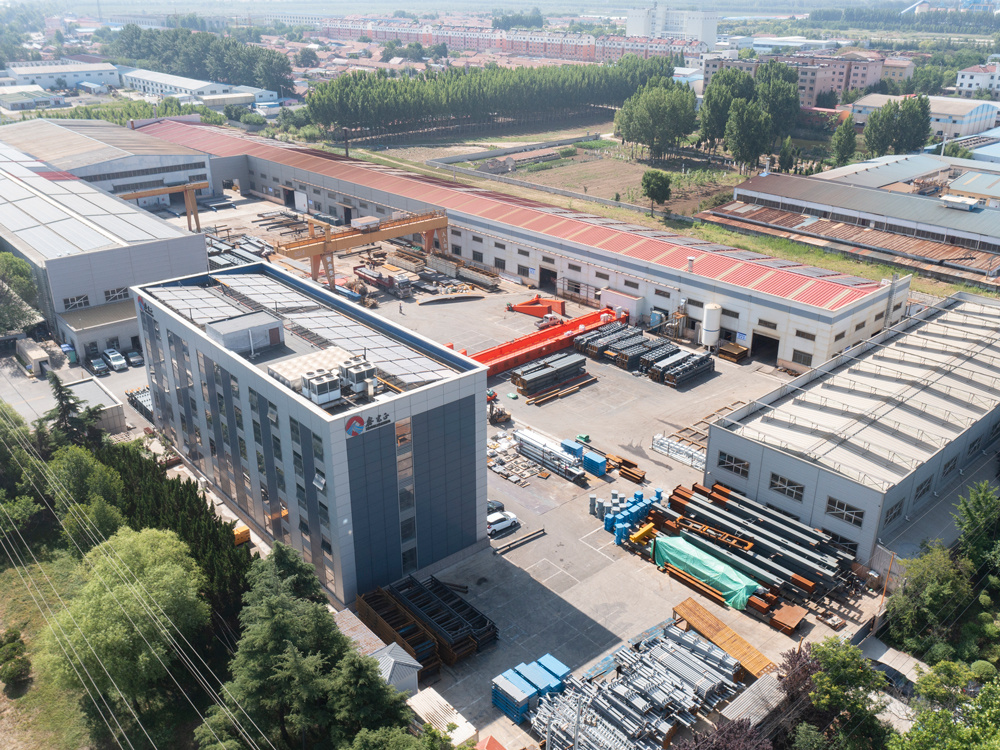
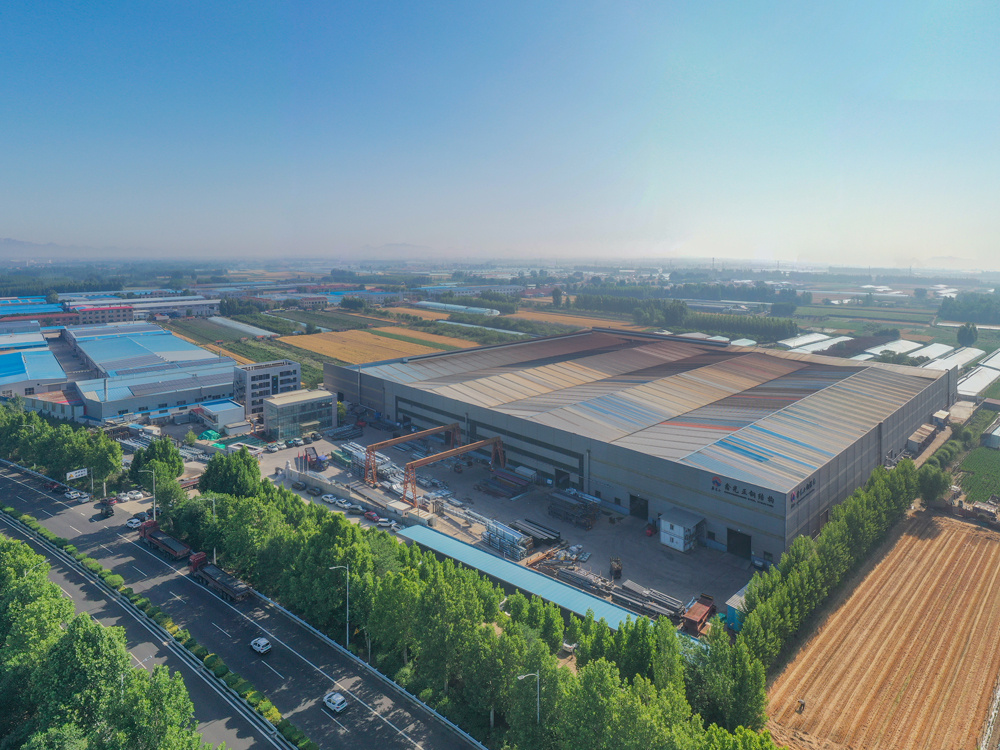
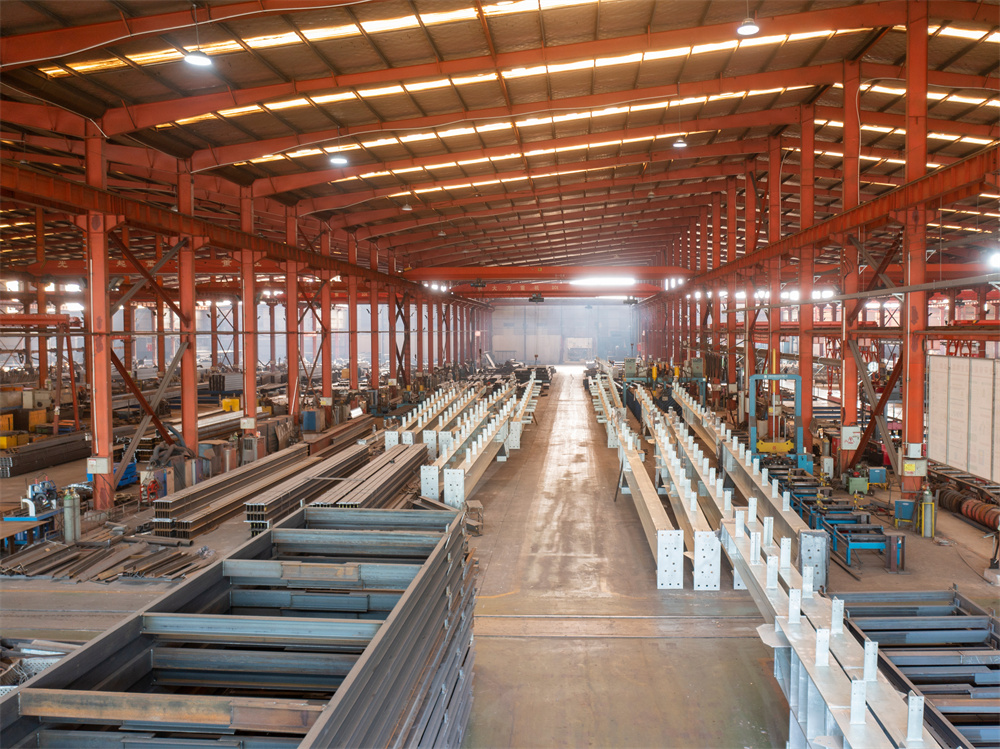
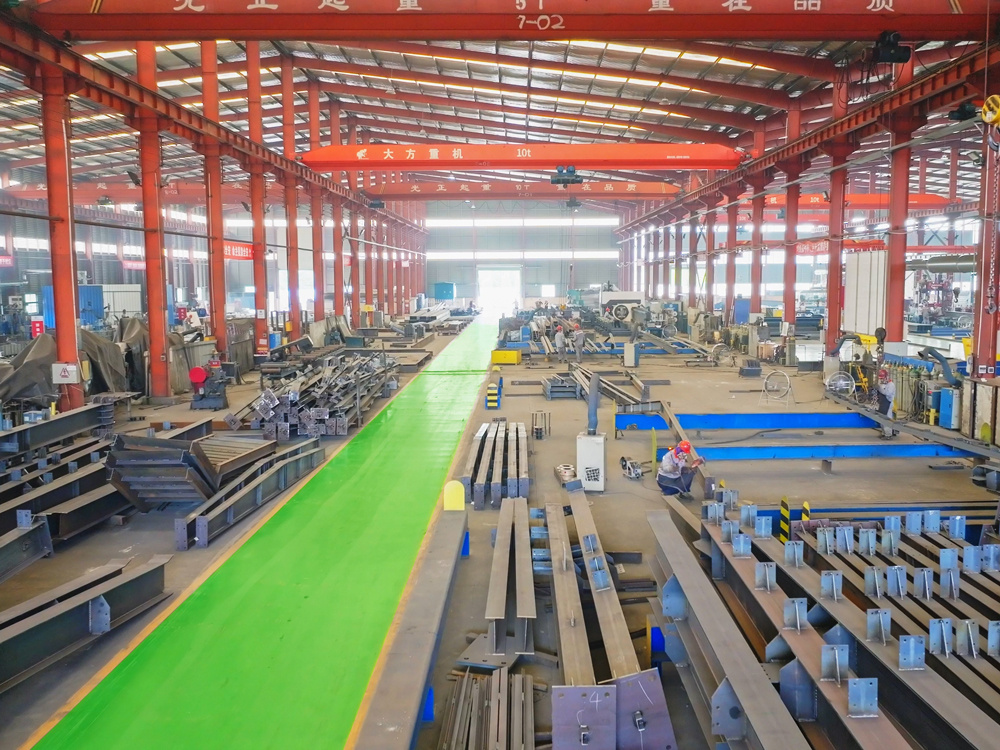
The versatility of steel allows for highly specialized modifications tailored to distinct manufacturing verticals. A generic open-span warehouse can be structurally optimized to support complex, high-stress environments. Below, we analyze how steel structure design adapts to different industrial applications:
Automotive and heavy machinery plants require structures capable of handling intense dynamic loads. These facilities utilize massive overhead cranes (often ranging from 10-ton to over 50-ton capacities) to move engine blocks, chassis, and heavy stamping dies. A steel structure warehouse is engineered with built-in crane runway beams, reinforced column connections, and heavy-duty portal frames. The high tensile strength of steel ensures that the building can easily withstand the continuous vibration and lateral force exerted by operating cranes, maintaining structural integrity over decades of operation.
Electronics manufacturing demands absolute control over environmental factors such as dust, humidity, temperature, and electrostatic discharge. Within a steel structure warehouse, engineers can seamlessly integrate cleanroom enclosures (ranging from Class 100 to Class 100,000). The precision of prefabricated steel components ensures tight sealing, preventing particulate infiltration. Additionally, steel structures easily accommodate complex HVAC ductwork, high-efficiency particulate air (HEPA) filtration units, and overhead utility grids suspended from the ceiling trusses without compromising the building's safety margins.
Chemical and process industries present harsh environments prone to corrosion, chemical exposure, and elevated fire risks. Modern steel warehouses address these challenges through advanced materials science. Structural steel sections are treated with high-durability coatings, such as hot-dip galvanization or specialized epoxy primers, which provide exceptional resistance to acid rain, corrosive vapors, and moisture. For fire safety, steel members are coated with intumescent paint or encased in fire-rated gypsum boards, ensuring the building meets stringent local and international safety regulations while protecting workers and valuable inventory.
For food, beverage, and pharmaceutical manufacturing, maintaining a strict cold chain is paramount. Steel structures are ideal for cold storage warehouses because they allow for the rapid installation of insulated sandwich panels (such as polyurethane or polyisocyanurate panels) on the exterior walls and roof. This creates a highly thermal-efficient envelope that minimizes heat transfer, reduces energy consumption, and maintains precise temperature control. The steel framing also supports the weight of extensive refrigeration machinery and overhead cooling evaporators.
We have a professional team of over 1,000 employees, including senior engineers, technical backbones and experienced operators, who provide strong support for the company’s technological innovation and high-quality service.
Over the years, we have built long-term and stable cooperative partnerships with more than 10,000 customers across over 100 countries and regions worldwide, delivering reliable, high-performance steel structure solutions to fields such as industrial plants, bridges, stadiums and commercial buildings.
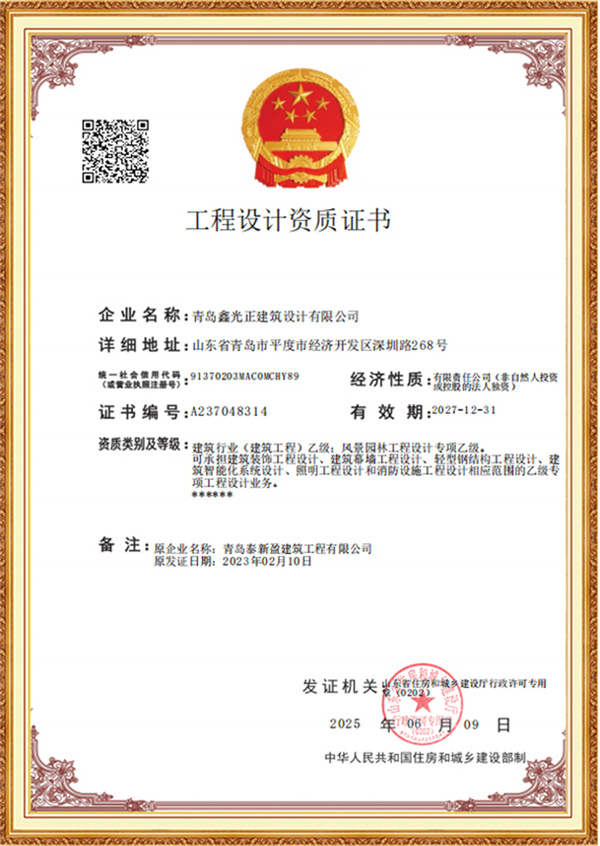
As a national High and New Technology Enterprise and a Specialized, Refined, Novel, and Innovative Enterprise, we hold top-tier industry qualifications, including Grade I Steel Structure Engineering Contracting Qualifications and Grade I Steel Structure Manufacturing Qualifications, which enable us to undertake large-scale, high-standard steel structure projects at home and abroad.
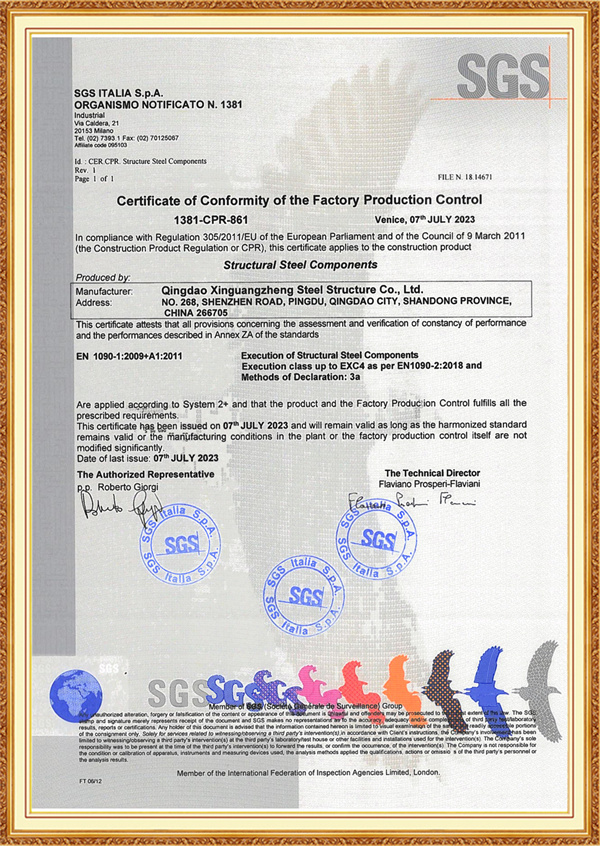
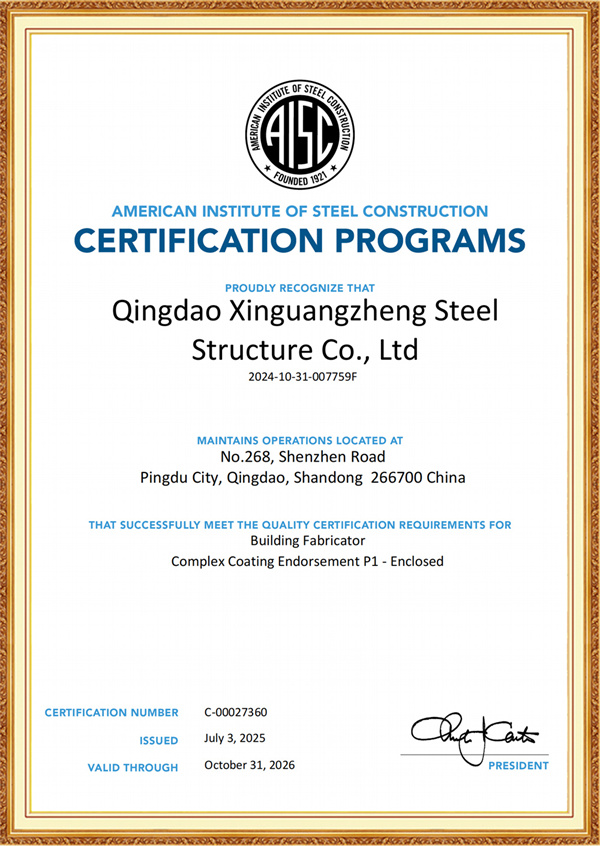
We have obtained complete ISO system certifications, including ISO9001 Quality Management System, ISO14001 Environmental Management System and OHSAS18001 Occupational Health and Safety Management System, and our products fully comply with strict industrial standards of the United States, Europe, Russia and Canada, meeting the diverse needs of global customers.
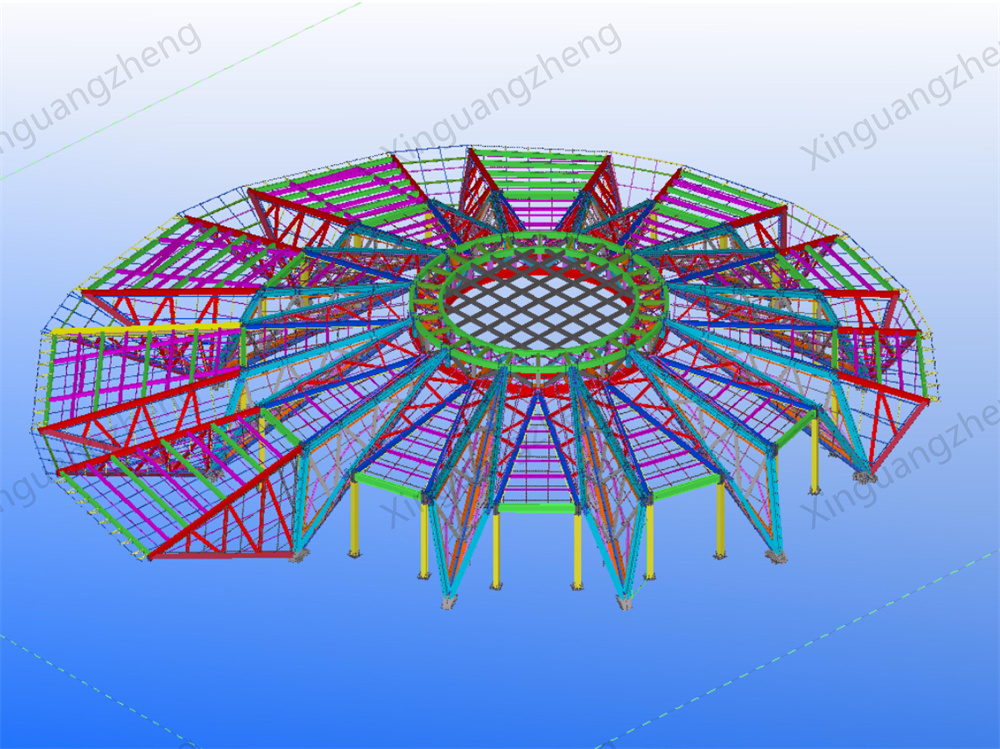
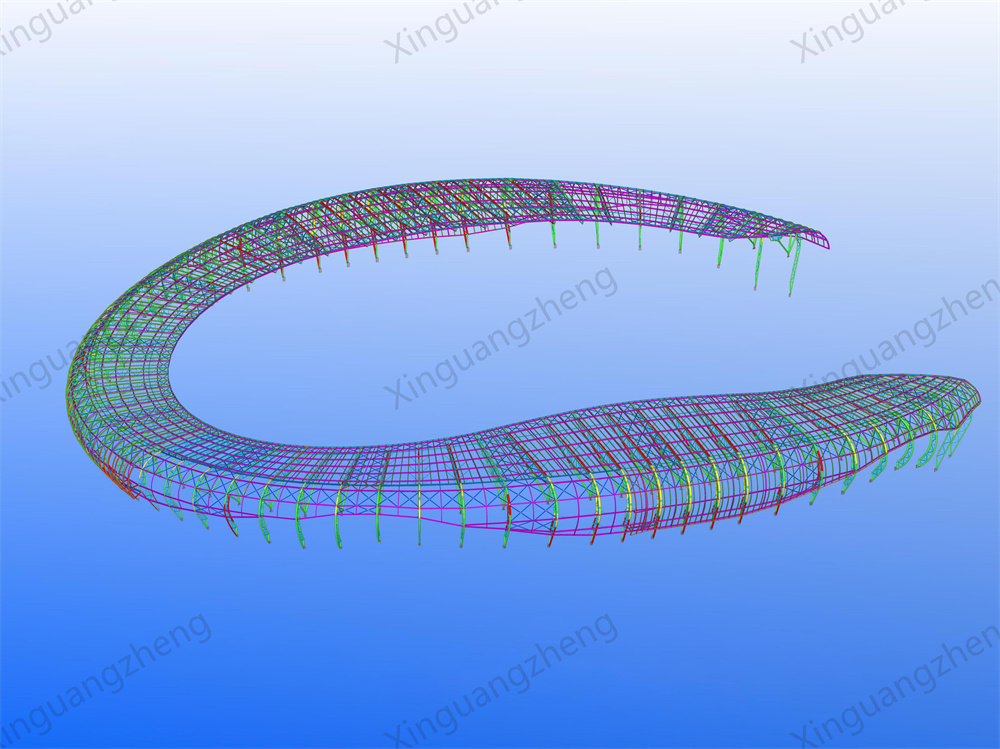
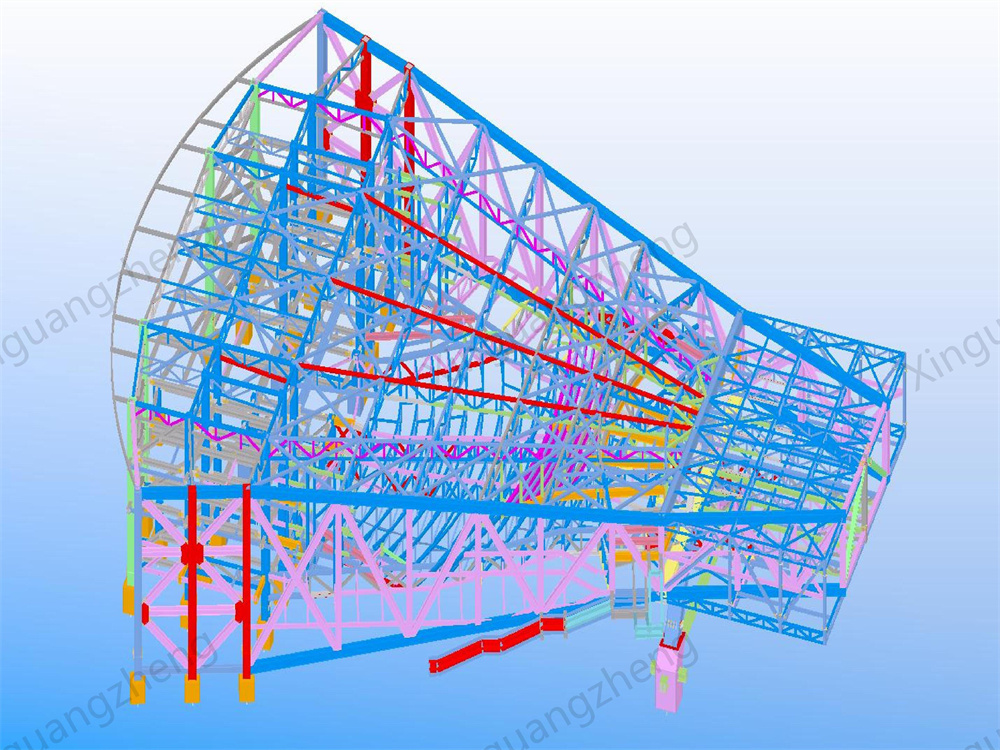
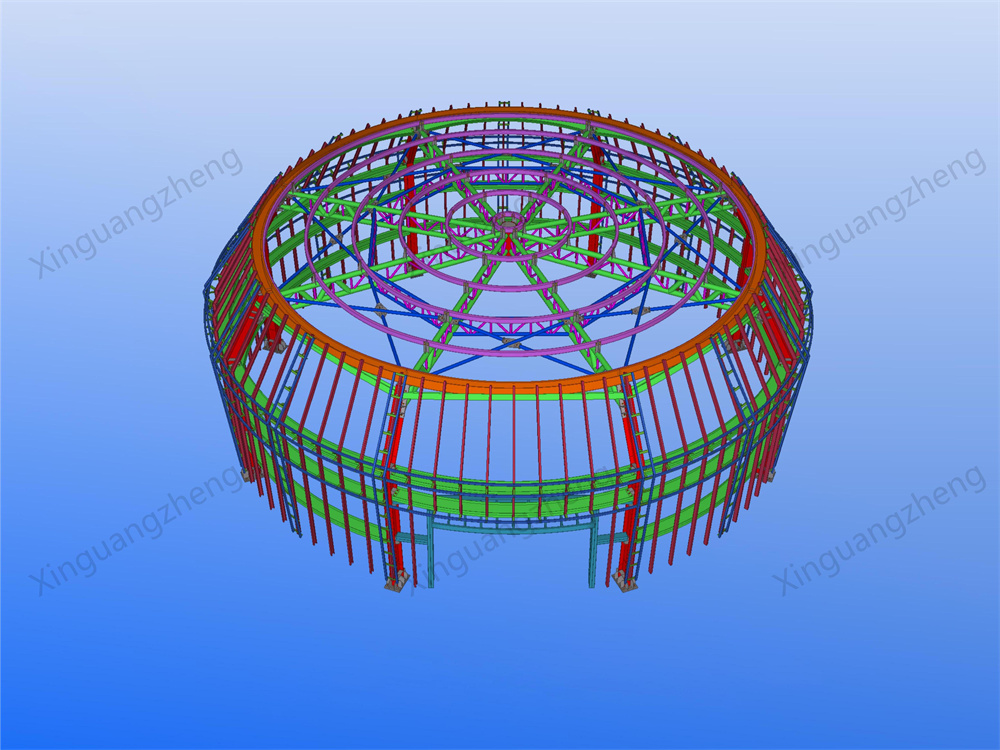
The structural efficiency of a steel warehouse lies in the optimization of its structural members. Typically, a pre-engineered steel building (PEB) utilizes a combination of primary frames (H-beams, I-beams, and columns), secondary framing (C and Z purlins, girts), and cladding systems (steel sheets or sandwich panels). Each component is designed using advanced Building Information Modeling (BIM) software, ensuring millimeter-level accuracy before fabrication even begins. This digital workflow virtually eliminates on-site errors, minimizes material waste, and accelerates construction schedules.
From a safety standpoint, steel is inherently ductile. Under seismic activity or high wind loads, steel structures can deform slightly without collapsing, absorbing and dissipating energy. This characteristic makes steel warehouses the safest option in earthquake-prone zones or coastal areas subjected to severe typhoons and hurricanes. Furthermore, steel is non-combustible and does not contribute to fire spread, providing an extra layer of protection for manufacturing operations.
Maintenance is another critical factor where steel outperforms traditional building materials. Concrete is susceptible to cracking, spalling, and moisture penetration, which can lead to rebar corrosion. Steel, when treated with modern protective coatings, requires very little maintenance over its lifespan. The durability of the roof and wall panels ensures that the interior of the manufacturing plant remains completely dry and protected from external weather conditions, safeguarding sensitive production equipment and inventory.
We operate a full-chain integrated service system integrating design & R&D, intelligent manufacturing and engineering management, forming a one-stop service model from project design to finished product delivery.
Backed by an independent design institute with over 60 professional designers and nearly 100 patents (including invention patents and utility model patents), we keep driving technological innovation and continuously optimize product performance and design schemes.
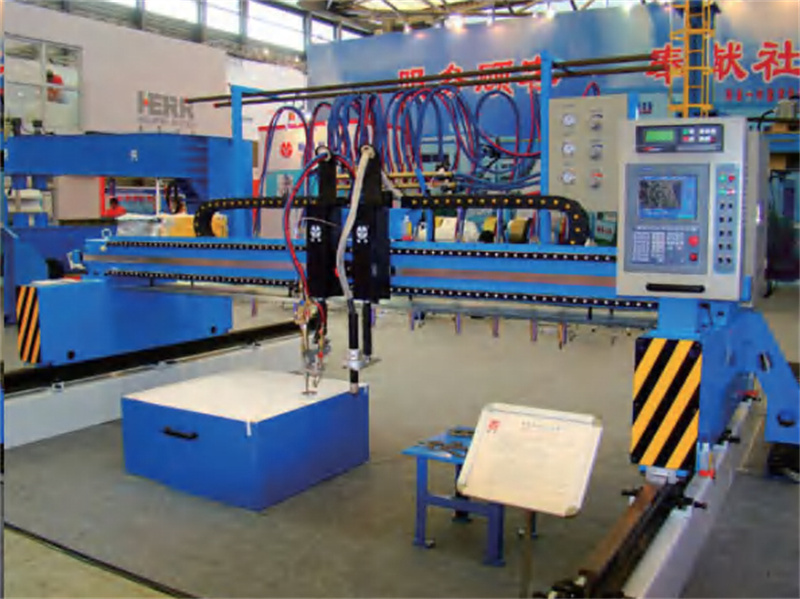
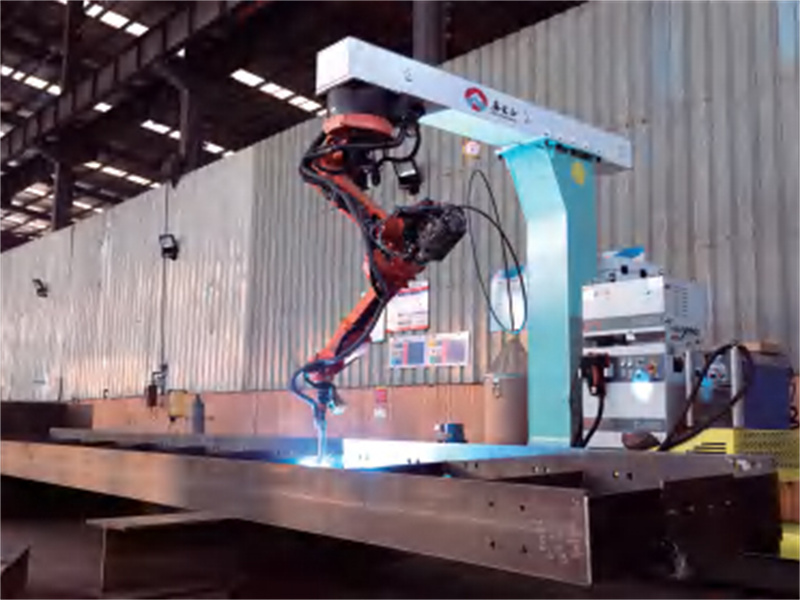
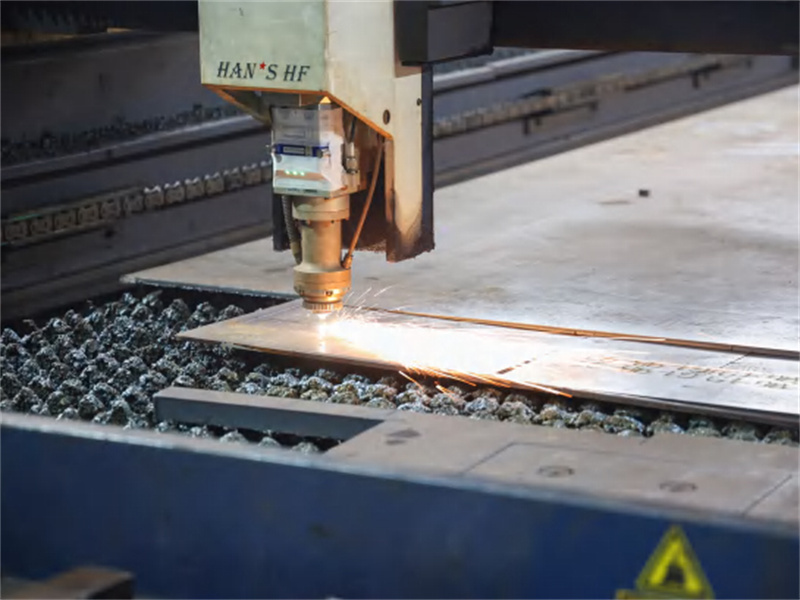
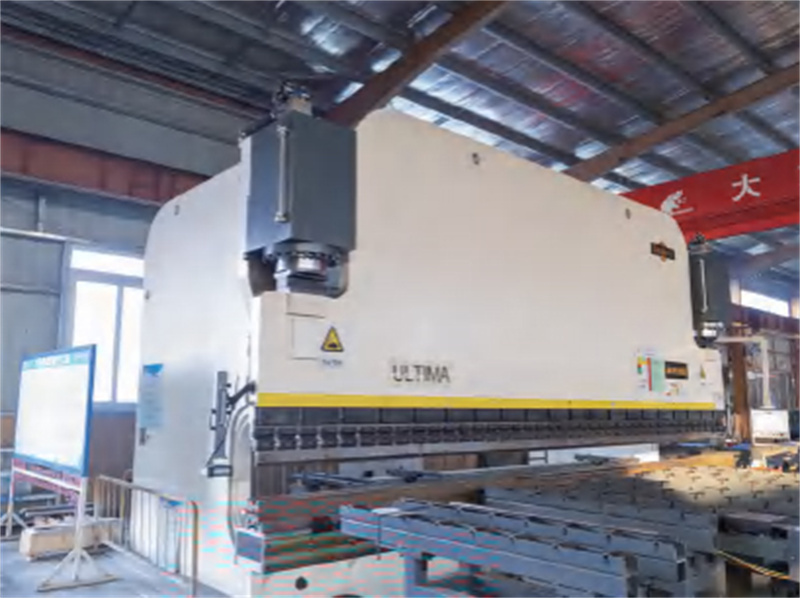
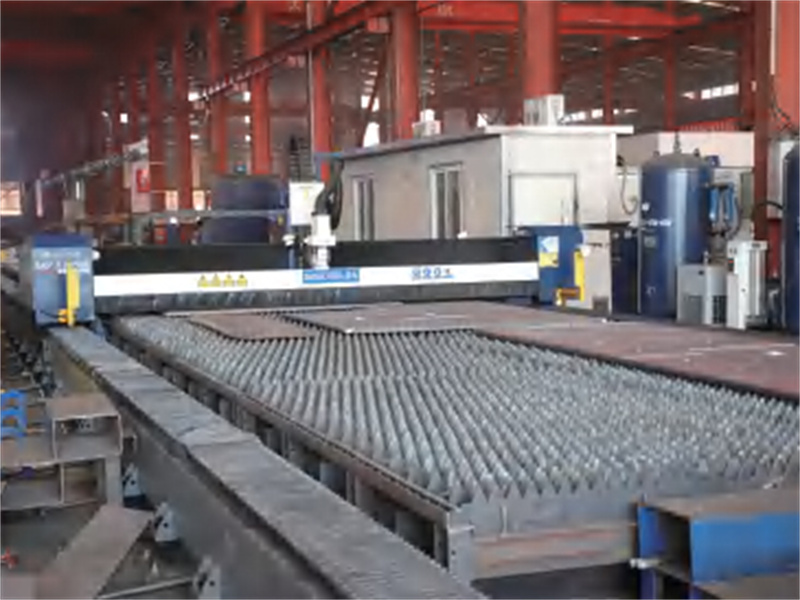
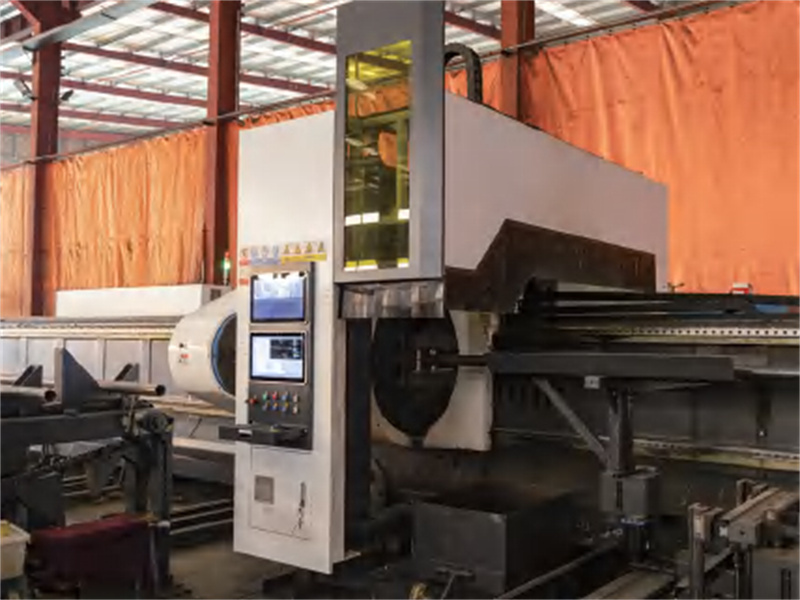
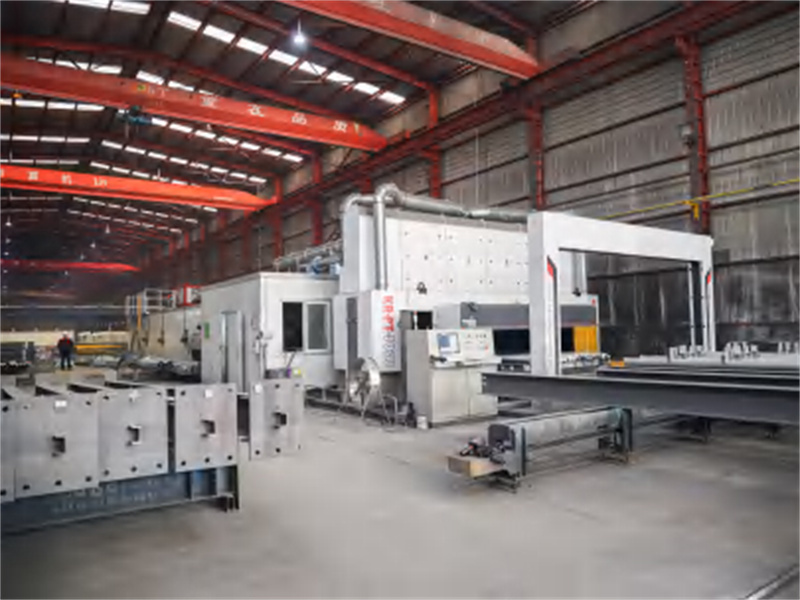
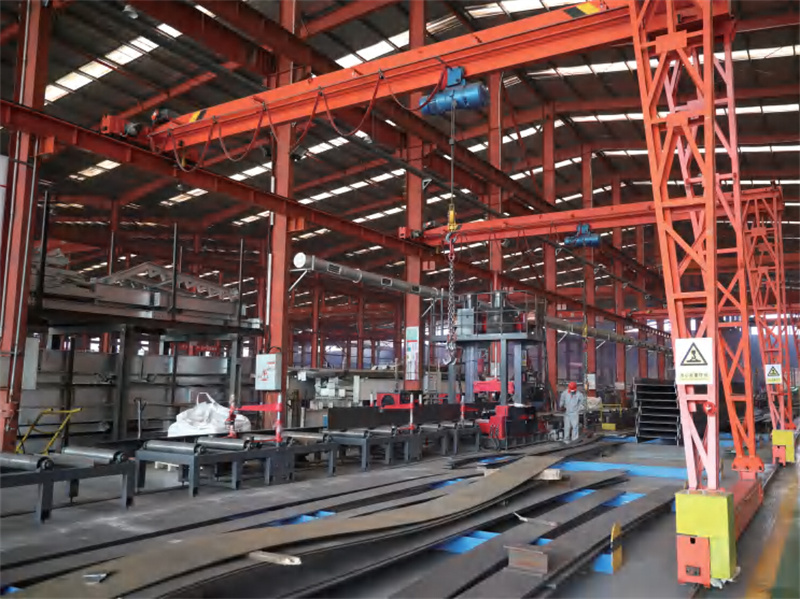
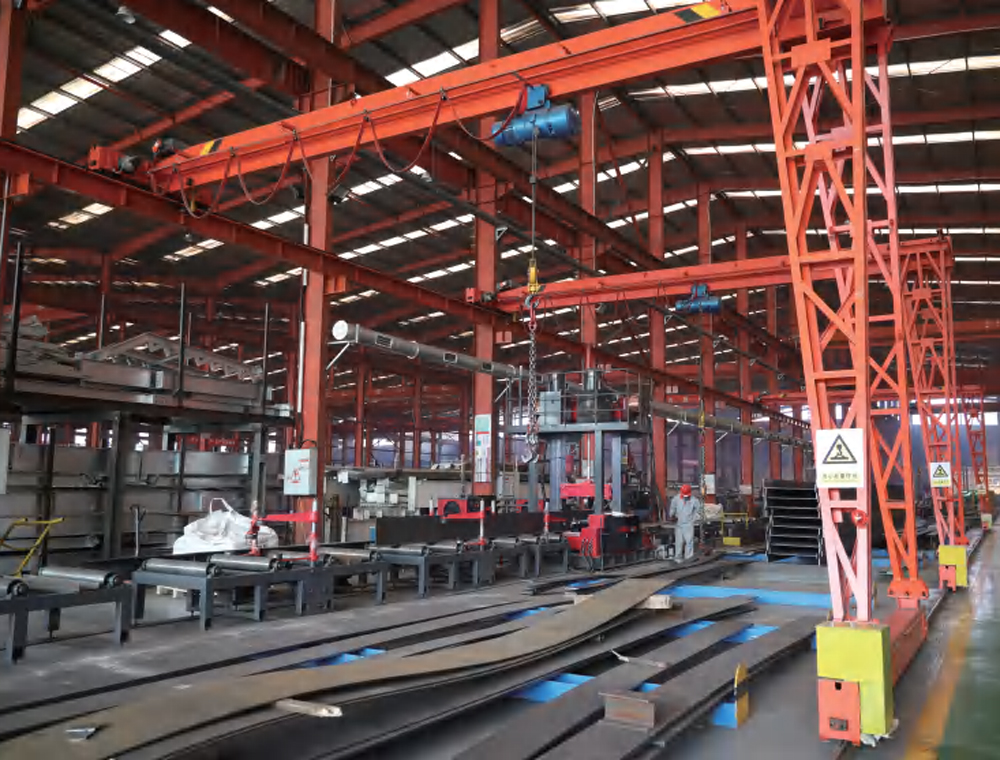
With 12 professional production lines and advanced intelligent equipment such as welding robots, laser cutting machines and numerical control processing centers, our annual production capacity reaches 150,000 tons, enabling us to process diversified steel structure products efficiently and stably, with high precision and strong reliability.
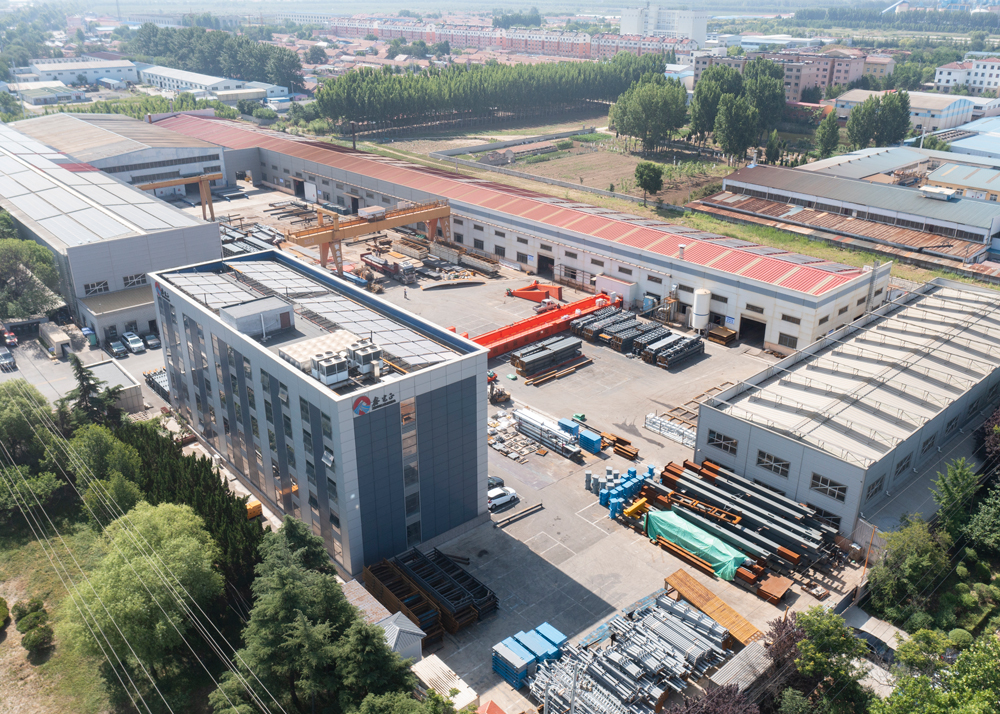
As governments globally enforce stricter carbon reduction targets, manufacturing companies are under immense pressure to adopt green building practices. Steel structure warehouses are fundamentally aligned with these sustainability goals. Steel is the world's most recycled material; when a steel building is eventually decommissioned, virtually 100% of the structural steel can be melted down and repurposed without any loss of quality. This circular lifecycle drastically reduces the depletion of natural resources and lowers the embodied carbon of the industrial facility.
In addition to material recyclability, steel warehouses are highly energy-efficient. Modern steel buildings utilize advanced insulation systems, such as double-layer insulated panels with thermal breaks, which significantly reduce heating and cooling energy demands. The large, flat expanse of a steel warehouse roof is also ideal for the installation of photovoltaic (solar) arrays. By transforming the roof into a clean energy generator, manufacturing plants can offset their operational electricity costs and, in some cases, achieve net-zero energy status. This combination of structural efficiency and renewable energy potential makes steel the cornerstone of green industrial development.
From a financial perspective, the return on investment (ROI) for a steel structure warehouse is highly compelling. The combination of lower foundation costs (due to steel's lightweight nature), reduced construction labor, faster occupancy timelines, and minimal ongoing maintenance expenses results in a significantly lower Total Cost of Ownership (TCO) compared to concrete buildings. For expanding businesses, the ease with which a steel building can be extended or modified in the future provides long-term financial flexibility, allowing companies to scale their physical footprint in tandem with market demand.
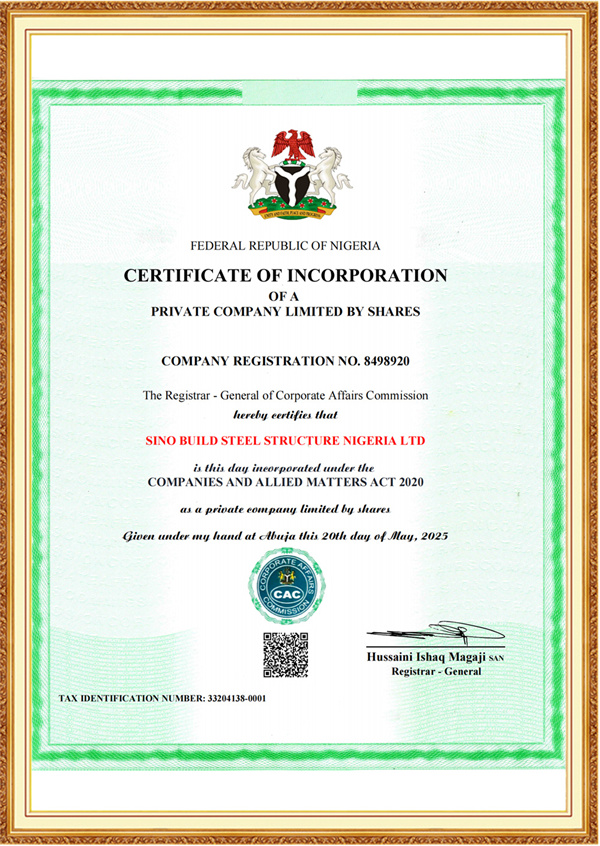
We have obtained complete ISO system certifications, including ISO9001 Quality Management System, ISO14001 Environmental Management System and OHSAS18001 Occupational Health and Safety Management System


As we look toward the future of industrial infrastructure, several emerging trends are set to redefine the design and functionality of steel structure warehouses. The integration of digital technologies, advanced material science, and smart building systems is transforming these structures from passive enclosures into active, intelligent components of the manufacturing ecosystem.
Generative design software, powered by artificial intelligence, is changing how structural engineers plan steel warehouses. By inputting parameters such as site dimensions, local wind and snow loads, required crane capacities, and budget constraints, AI algorithms can generate thousands of optimized structural designs in minutes. This process identifies the most efficient use of steel, reducing material weight while maintaining full structural safety, leading to direct cost savings and a lower carbon footprint.
Internet of Things (IoT) sensors are increasingly being embedded into the structural joints and columns of modern steel warehouses. These sensors continuously monitor structural health, measuring factors like stress, strain, vibration, and temperature changes. This real-time data allows facility managers to perform predictive maintenance, identifying potential issues before they become critical safety hazards. For manufacturing plants operating heavy machinery or located in seismic zones, smart structural monitoring provides invaluable peace of mind.
The fast-paced nature of modern business requires manufacturing companies to remain highly agile. The demand for modular, demountable steel warehouses is rising. These structures are designed to be easily disassembled, moved, and reassembled at a different location, or expanded with minimal disruption to ongoing operations. This flexibility is highly attractive to companies testing new markets or operating on leased land, as it protects their capital investment in the physical building.
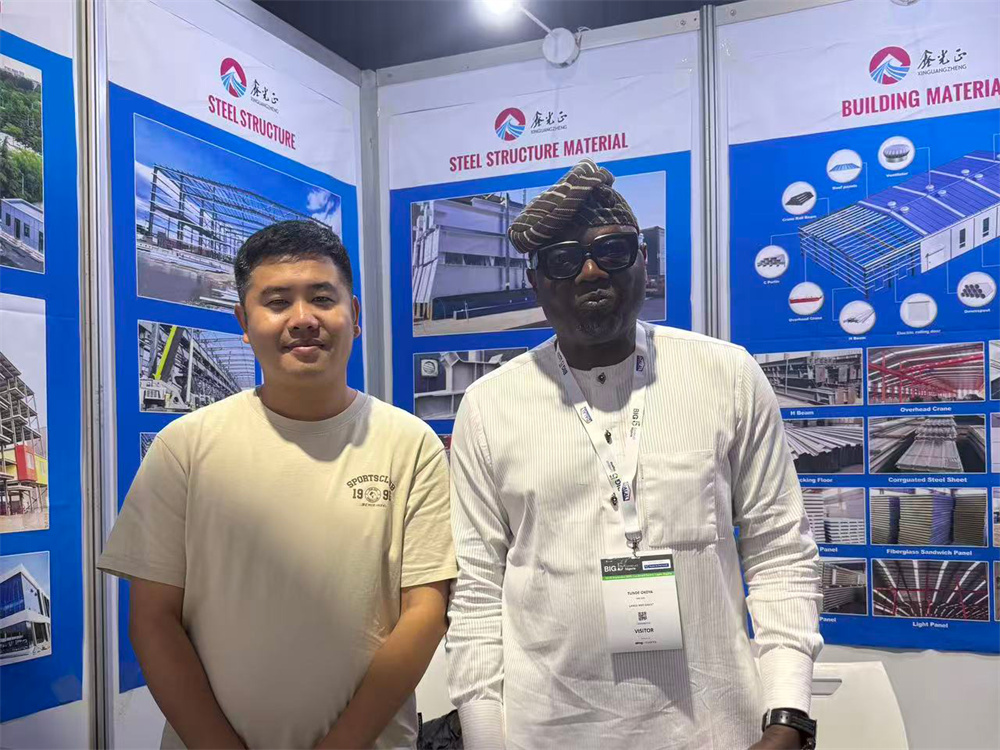
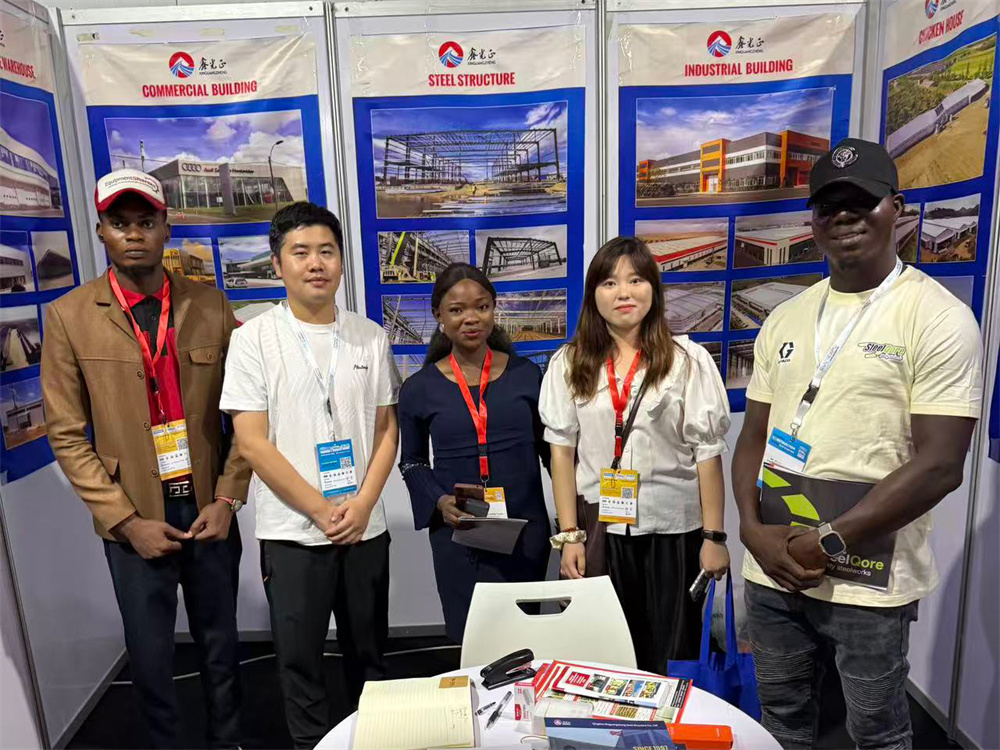
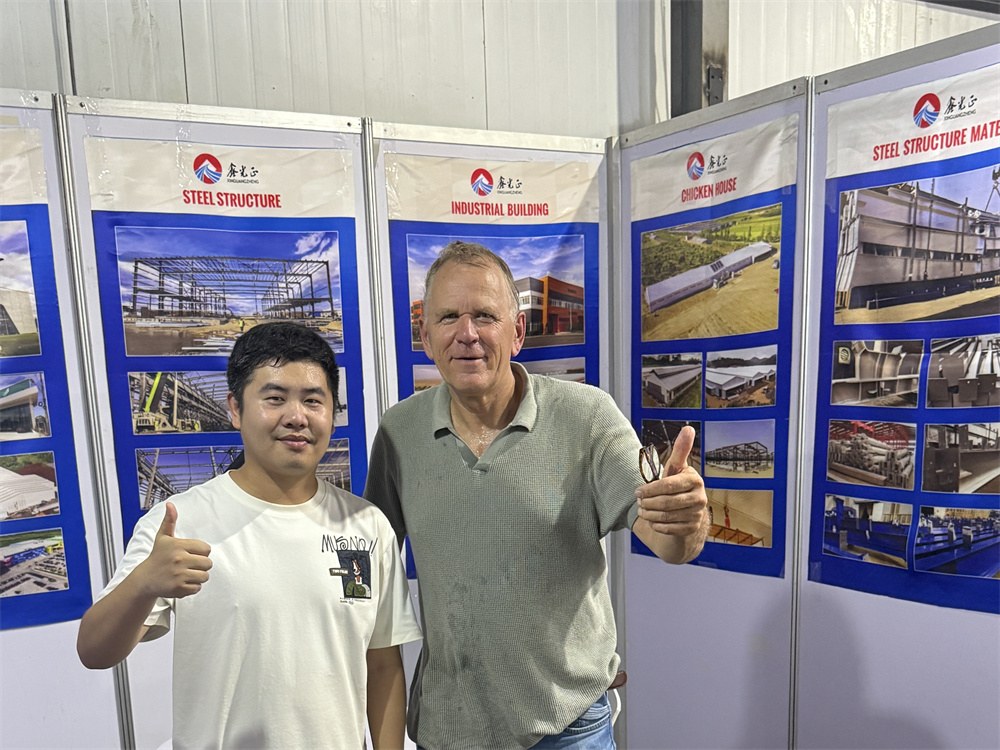
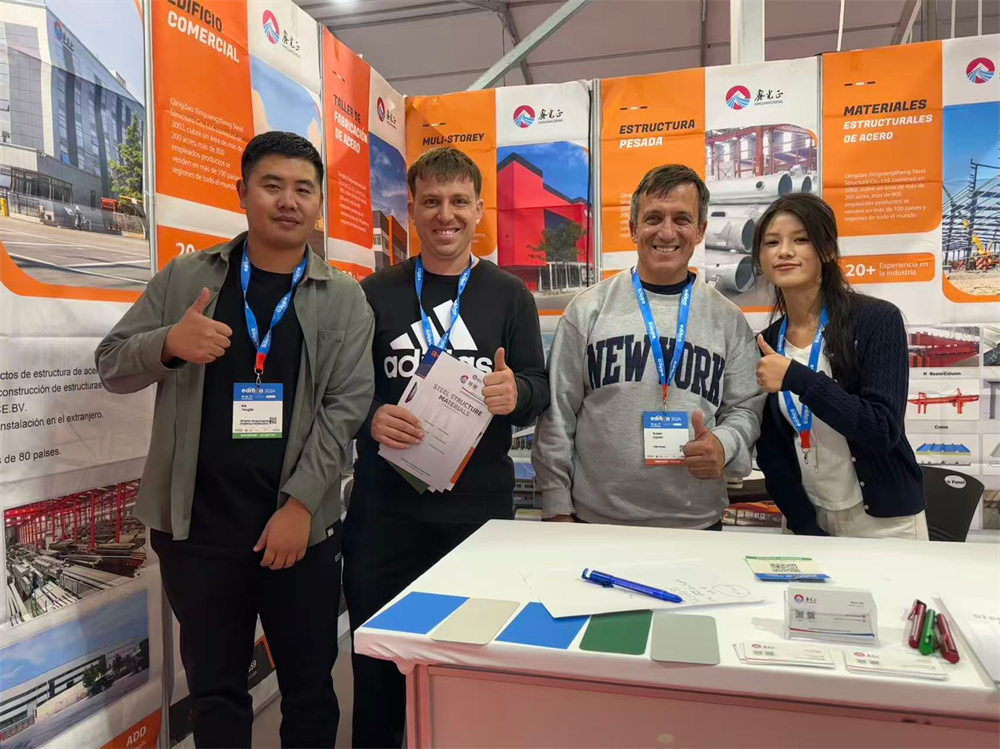
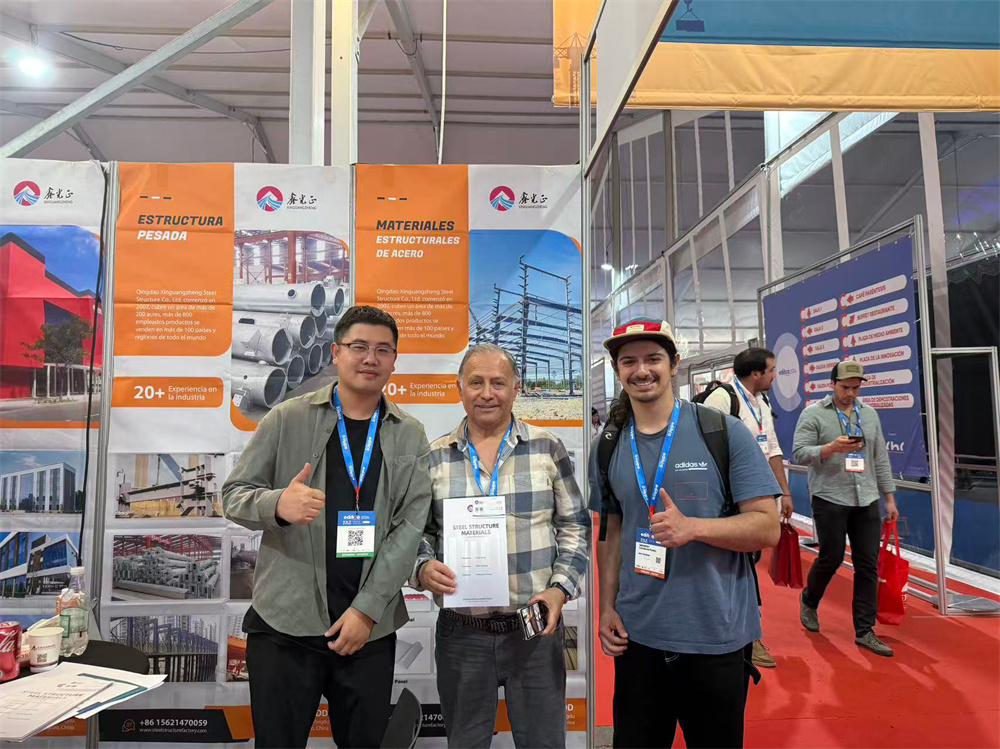
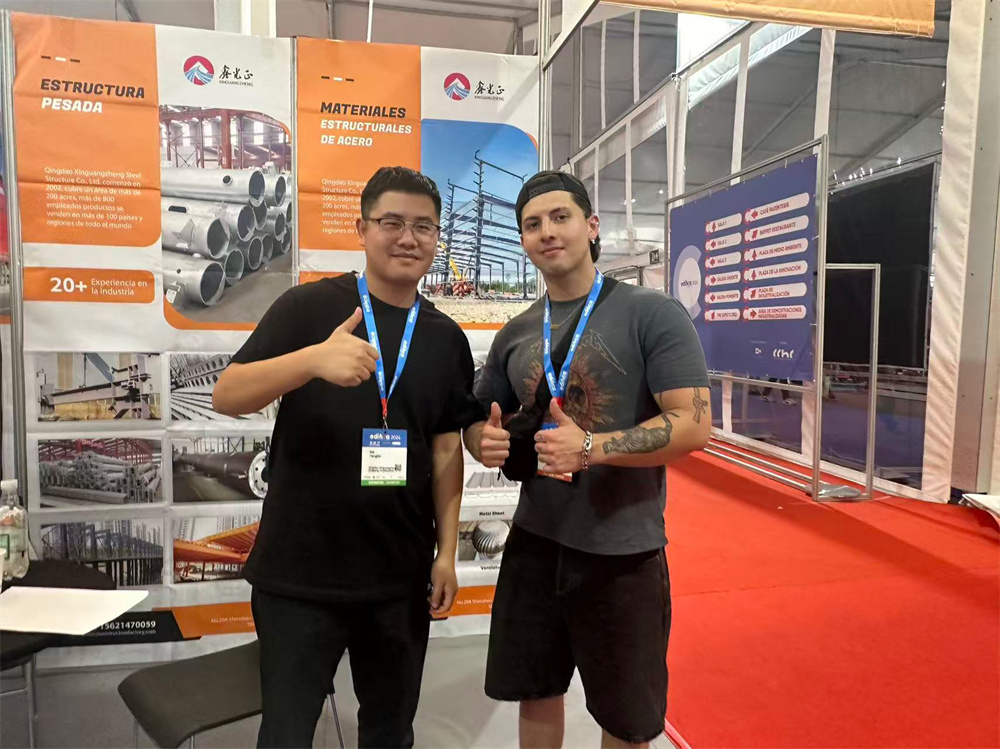


With the vision of becoming a global leader in integrated steel structure services, we uphold the mission of benefiting society, empowering employees and satisfying customers. We actively fulfill social responsibilities, promote green and low-carbon production, and provide employees with a broad development platform. We are dedicated to providing high-quality, efficient and customized solutions for global partners, and look forward to joining hands with you to create a win-win future in the field of steel structure.
Inquiry Now
Explore our diverse portfolio of steel structure solutions designed to meet the demands of various industrial, commercial, and agricultural applications.