 +86 15853226810
Leave Your Message
-
Contact WhatsApp
-
 Contact Phone
-
 Contact Email
Explore our core steel structure solutions optimized for temperature-controlled storage and logistics operations.
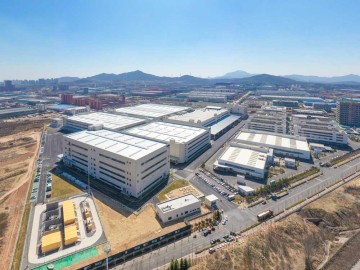
The global cold chain logistics sector is undergoing a massive transformation. Driven by the rapid growth of fresh food e-commerce, international pharmaceutical distribution, and strict food safety regulations, the demand for high-efficiency temperature-controlled warehouses has reached historic highs. Historically, cold storage facilities were constructed using traditional reinforced concrete. However, concrete structures struggle with thermal bridging, require extensive construction timelines, and offer limited spatial flexibility. Today, modern industrial operations rely on Steel Structure Warehouses for Cold Chain Storage as the definitive standard for fast, efficient, and sustainable infrastructure.
Steel structure warehouses provide a lightweight yet exceptionally strong framework that easily integrates with thick thermal insulation envelopes. They allow operators to build tall, clear-span structures that maximize volumetric storage capacity. In an industry where cooling costs are directly tied to surface area and volume, optimizing spatial efficiency through steel frames is a critical economic advantage. The market is shifting towards larger, centralized logistics hubs that utilize automated storage systems. This technological leap demands the exact precision and heavy load-bearing capacities that only structural steel can provide.
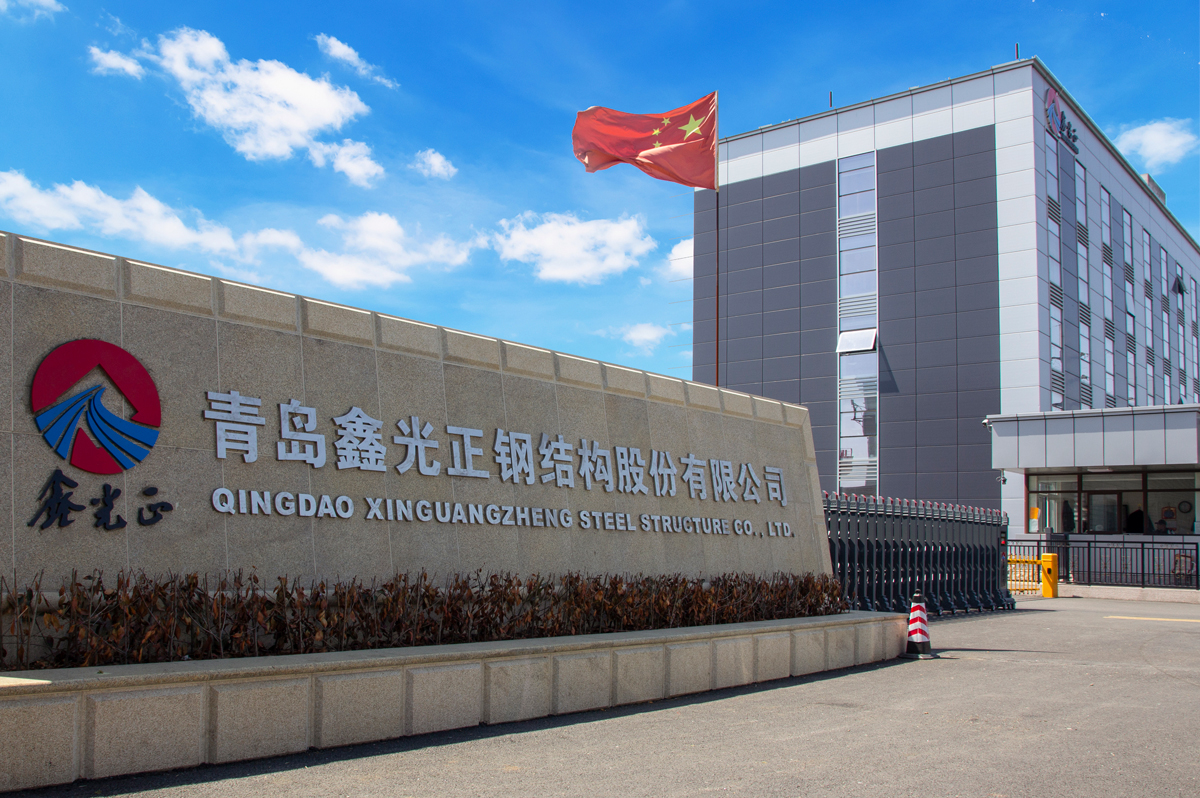
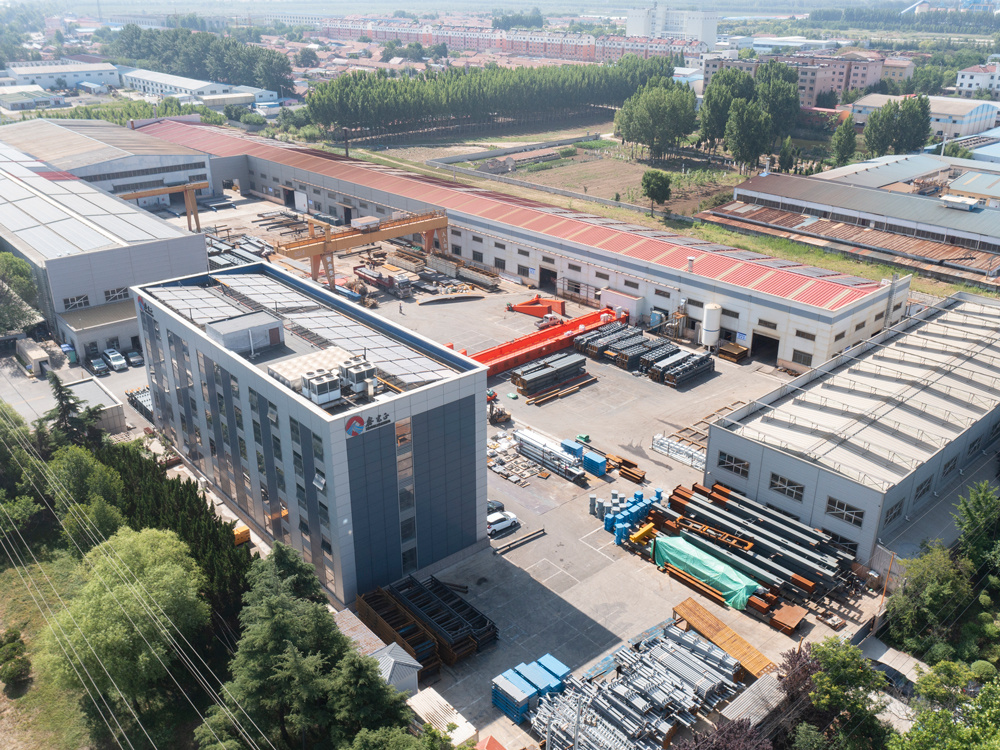
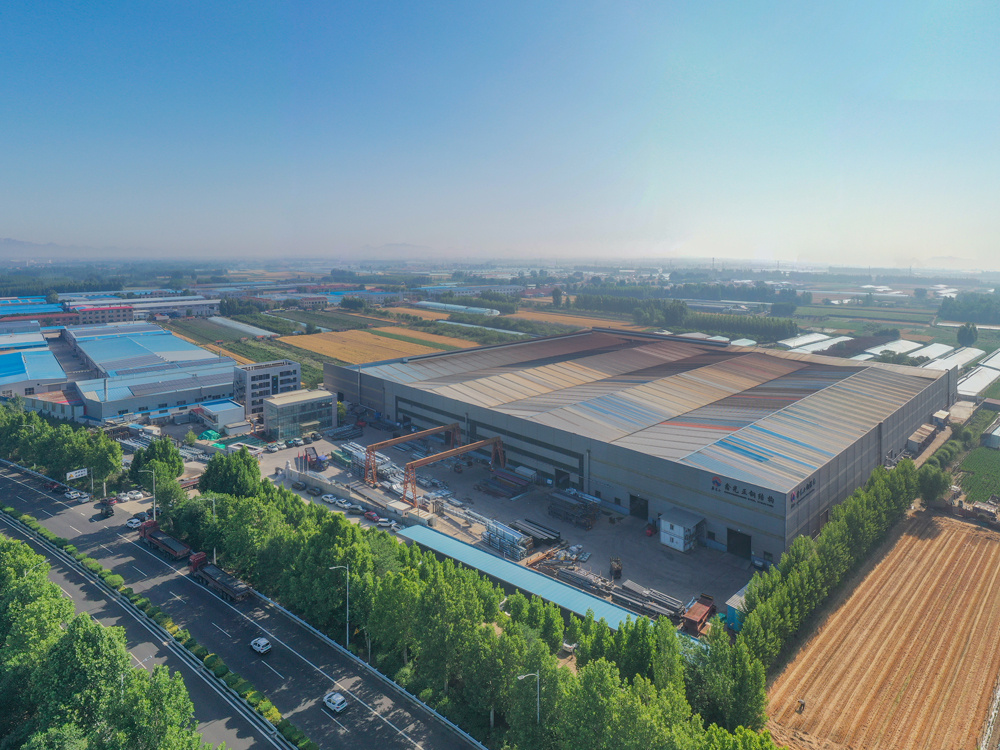
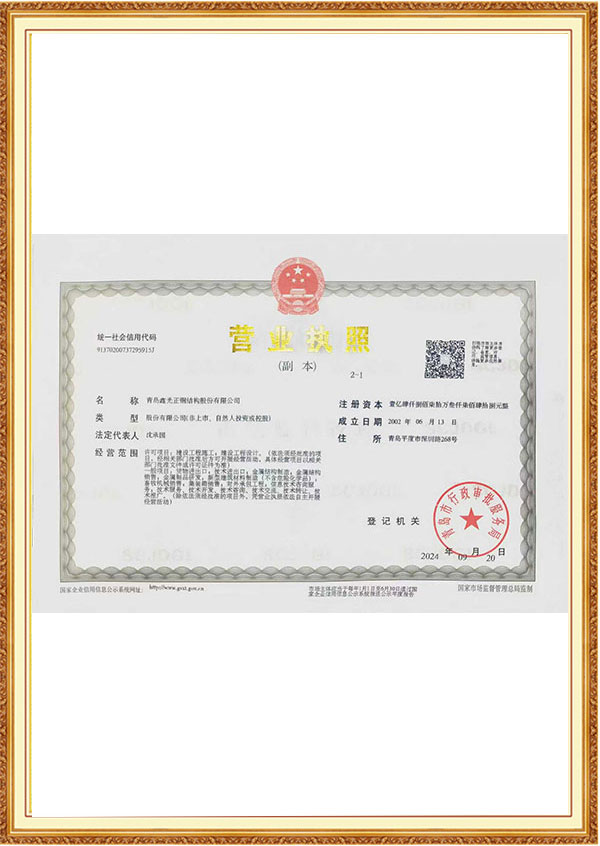
Qingdao Xinguangzheng Steel Structure Co., Ltd. was founded in 2002 and successfully listed on the National Equities Exchange and Quotations (NEEQ) in 2015, a key step in our standardized and international development that laid a solid foundation for our global market expansion and standardized operation. Headquartered in Pingdu, Qingdao, our company covers a total area of more than 140,000 square meters, which is divided into intelligent production area, R&D and design area, office area and logistics storage area, creating a scientific and efficient operation layout.
Designing a steel structure warehouse for cold chain storage requires engineering that accounts for both structural loads and thermodynamic behavior. When temperatures drop below freezing, standard materials can contract or become brittle. Structural steel is uniquely suited to handle these stresses when engineered correctly.
One of the greatest challenges in cold storage design is preventing thermal bridging—the transfer of heat through structural members from the warm exterior to the cold interior. Steel structure warehouses solve this by using specialized insulated sandwich panels (polyurethane or PIR) that wrap the entire steel frame. Thermal breaks, non-conductive spacers, and airtight joint detailing ensure that the internal cold zone remains completely isolated, reducing energy loss by up to 40% compared to traditional masonry builds.
For deep-freeze operations running at -18°C to -35°C, standard mild steel is susceptible to low-temperature brittleness. Our engineering team utilizes high-grade steel, such as Q355B or Q355C, which maintains high impact toughness at sub-zero temperatures. This prevents structural micro-cracking and ensures the long-term integrity of the building under constant thermal load.
Modern cold logistics relies on Automated Storage and Retrieval Systems (ASRS) to maximize storage density and minimize human presence in freezing zones. ASRS requires strict structural tolerances. Structural steel frames can be engineered to extreme precision, allowing automated cranes and high-density racking to operate flawlessly within heights exceeding 30 meters. In many cases, we design "rack-clad" buildings, where the steel racking system itself forms the structural framework of the warehouse, optimizing space and material costs.
We have a professional team of over 1,000 employees, including senior engineers, technical backbones and experienced operators, who provide strong support for the company’s technological innovation and high-quality service.
Over the years, we have built long-term and stable cooperative partnerships with more than 10,000 customers across over 100 countries and regions worldwide, delivering reliable, high-performance steel structure solutions to fields such as industrial plants, bridges, stadiums and commercial buildings.
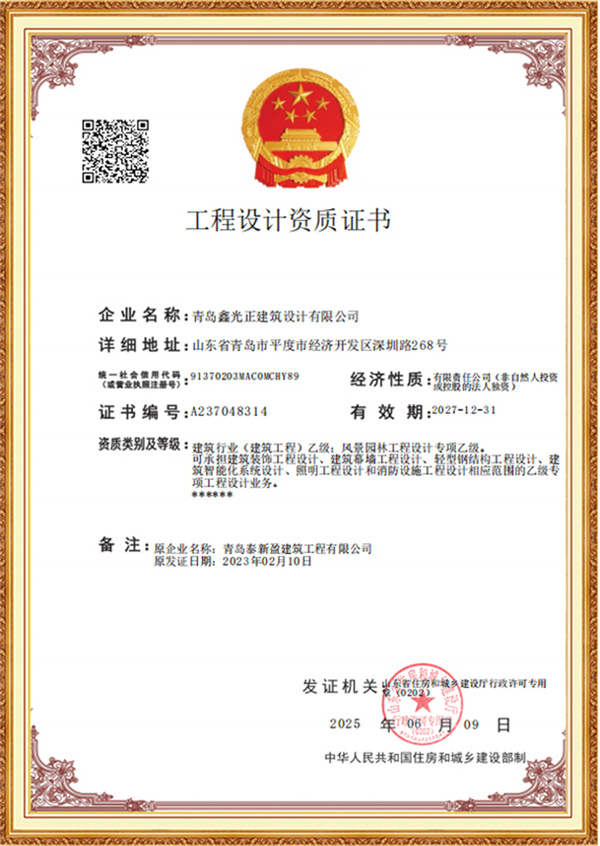
As a national High and New Technology Enterprise and a Specialized, Refined, Novel, and Innovative Enterprise, we hold top-tier industry qualifications, including Grade I Steel Structure Engineering Contracting Qualifications and Grade I Steel Structure Manufacturing Qualifications, which enable us to undertake large-scale, high-standard steel structure projects at home and abroad.
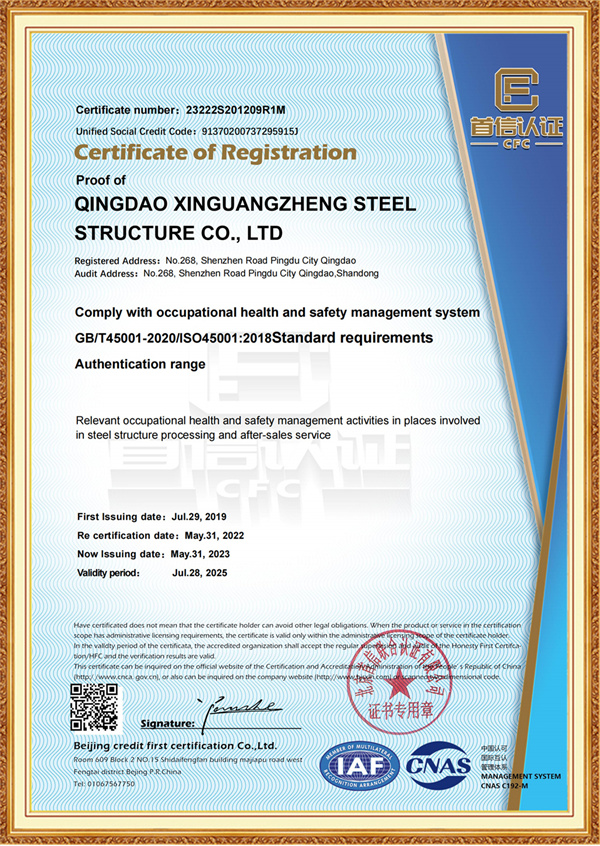
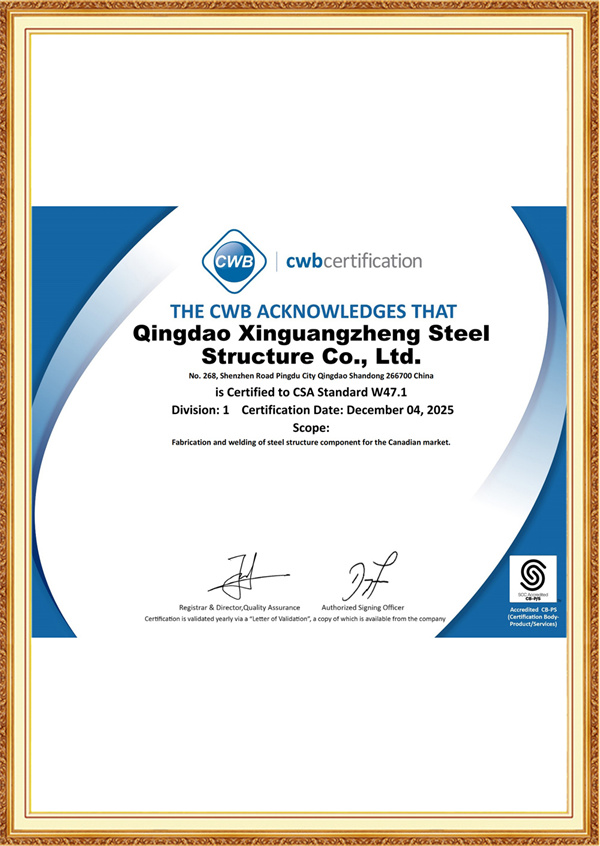
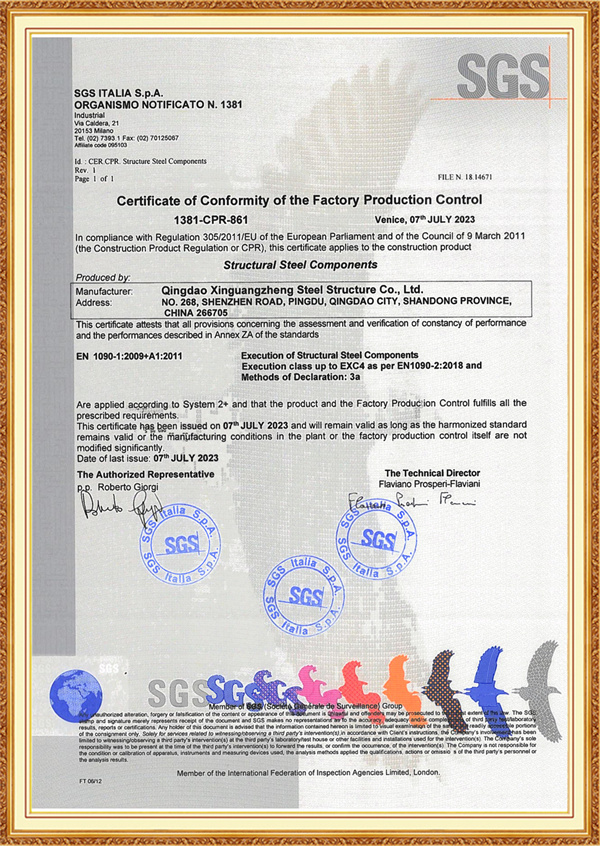
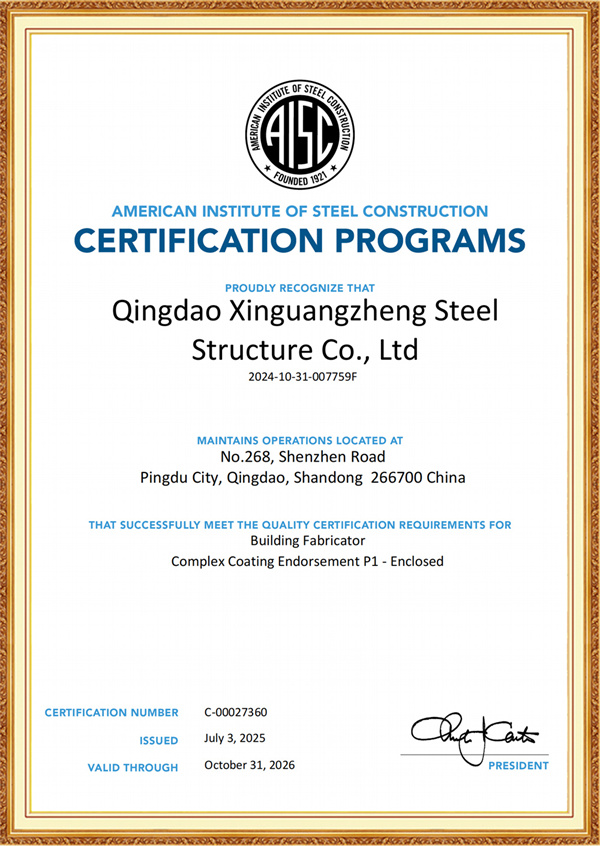
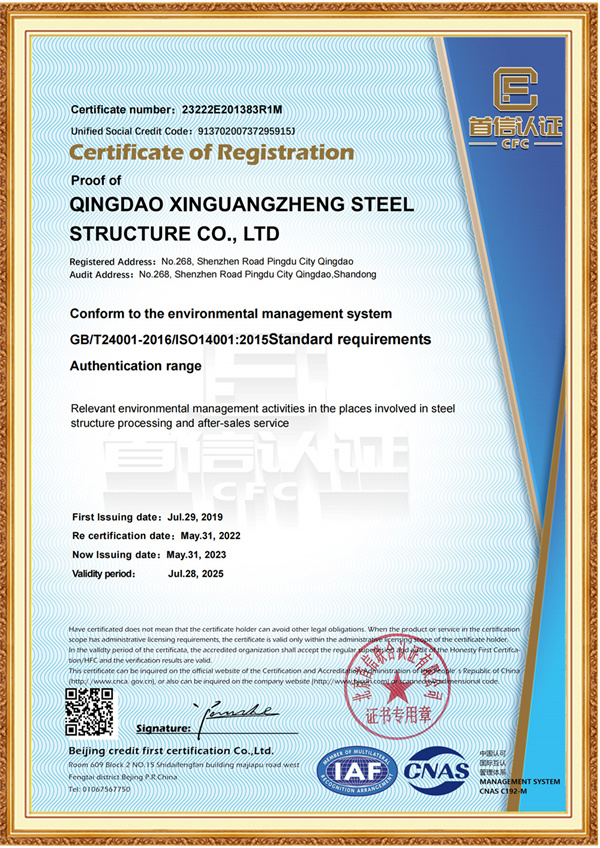
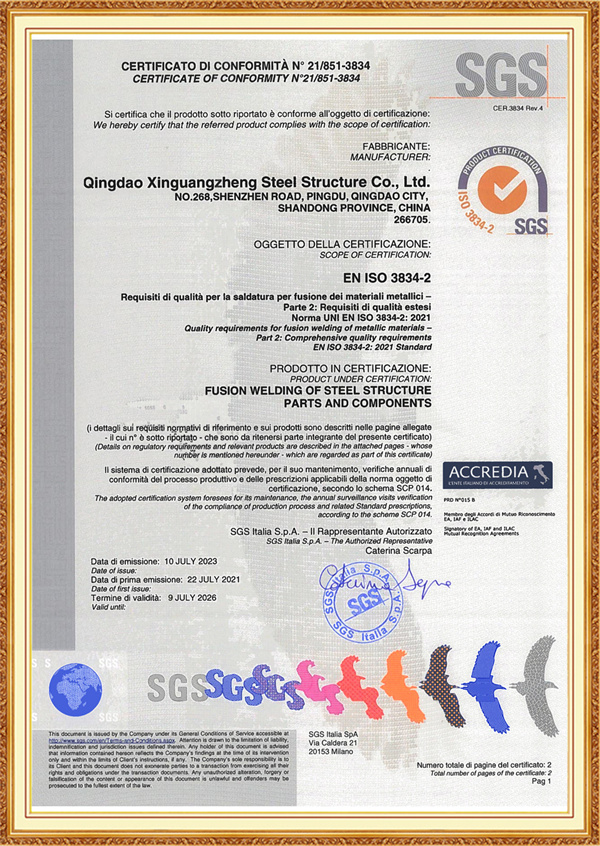
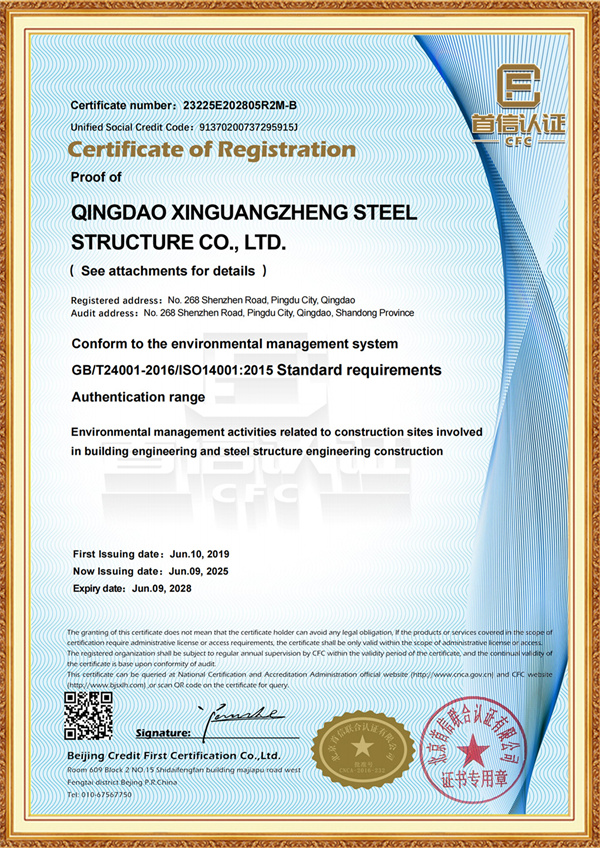
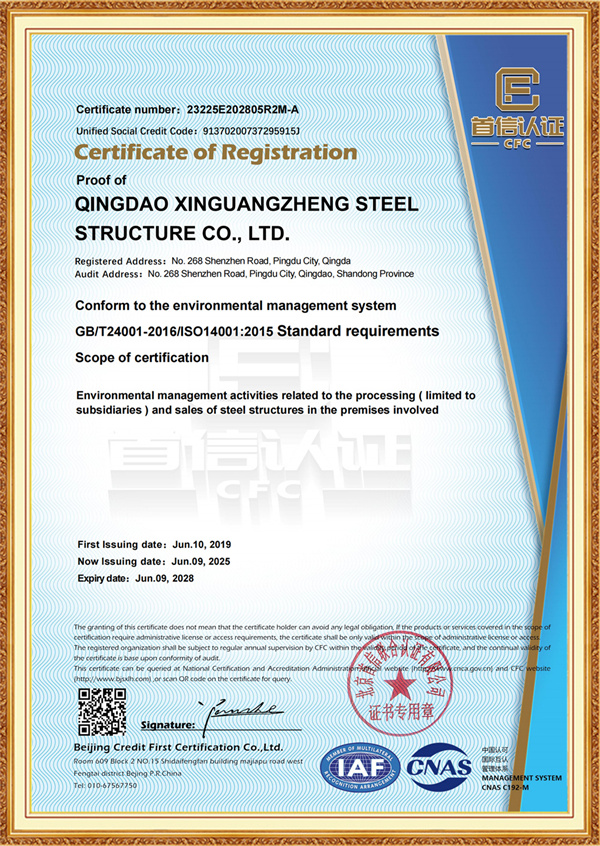
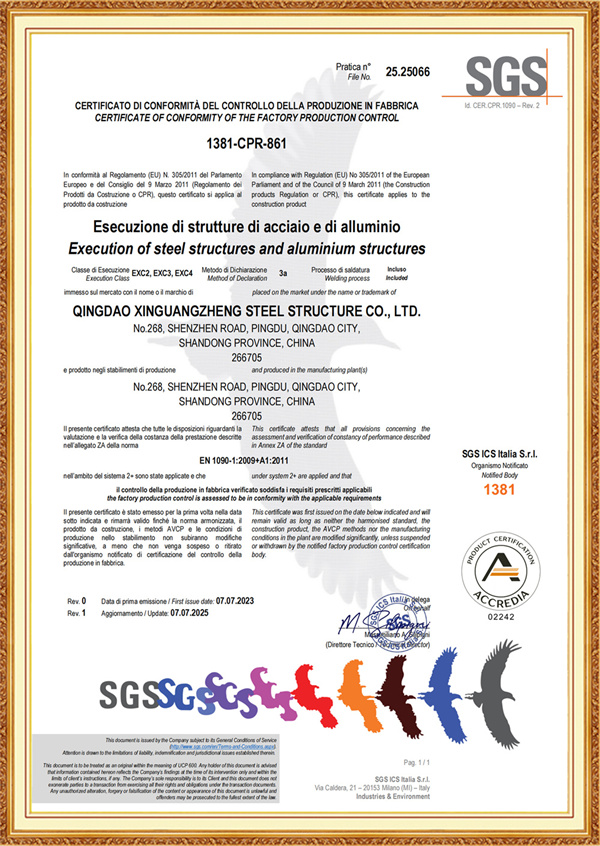
We have obtained complete ISO system certifications, including ISO9001 Quality Management System, ISO14001 Environmental Management System and OHSAS18001 Occupational Health and Safety Management System, and our products fully comply with strict industrial standards of the United States, Europe, Russia and Canada, meeting the diverse needs of global customers.
Cold chain storage is not a one-size-fits-all sector. Different temperature-sensitive goods require completely different environmental conditions. Steel structure engineering allows for highly customized layouts to suit these diverse scenarios.
These facilities are designed for storing frozen meats, seafood, and quick-frozen convenience foods. The structural design must support heavy ceiling-mounted evaporators and extensive ducting systems. Furthermore, sub-zero temperatures can freeze the ground beneath the concrete slab, causing the soil to expand and damage the floor (frost heave). We design steel structures with integrated under-floor ventilation systems or heating grids to maintain ground stability while supporting massive racking loads.
Commonly used for fresh fruits, vegetables, and dairy products. CA storage requires not only temperature control but also strict regulation of oxygen, carbon dioxide, and nitrogen levels to slow aging. The steel warehouse must be completely gas-tight. This requires specialized sealing of all steel frame joints, wall-to-roof intersections, and door frames, coupled with corrosion-resistant coatings to withstand the high humidity levels within the storage chambers.
Modern distribution centers often house multiple temperature zones under one roof—combining staging areas (10°C to 15°C), chilled rooms (2°C to 4°C), and deep-freeze chambers. The structural layout must accommodate insulated partition walls that transition between extreme temperature differentials. The steel framing must allow for thermal expansion joints to prevent structural distortion between the hot exterior, chilled zones, and frozen chambers.
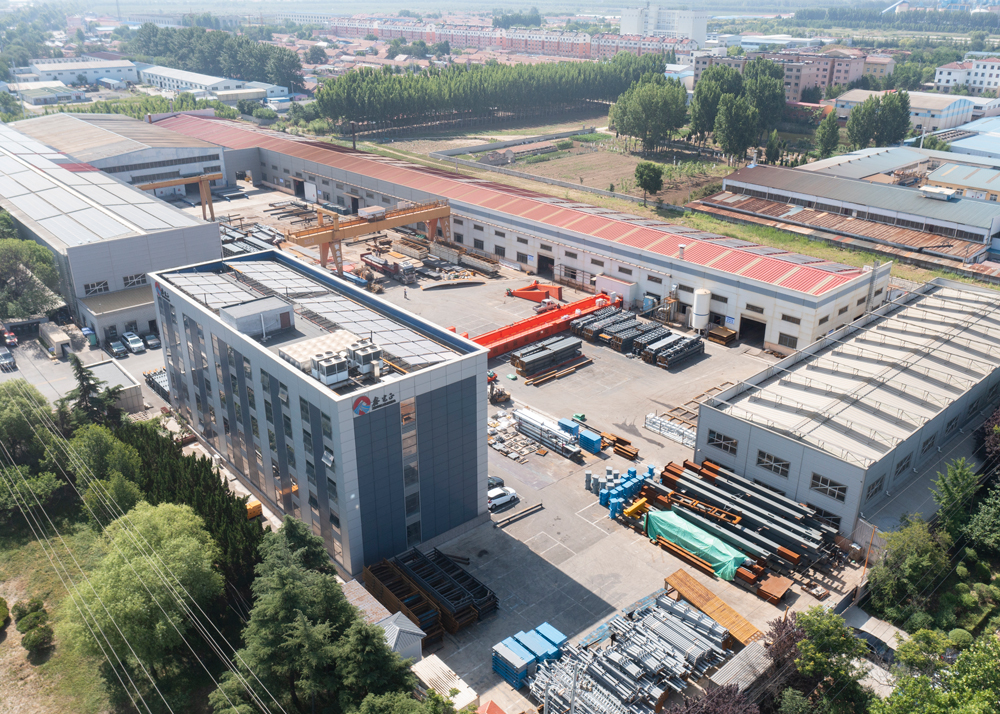
We operate a full-chain integrated service system integrating design & R&D, intelligent manufacturing and engineering management, forming a one-stop service model from project design to finished product delivery.
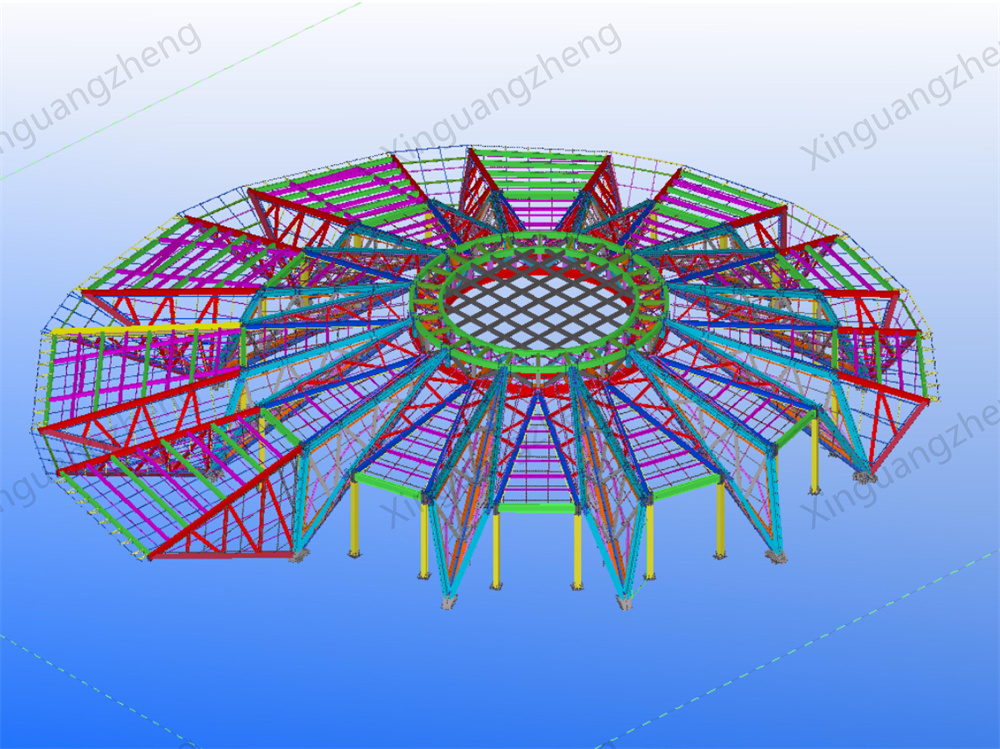
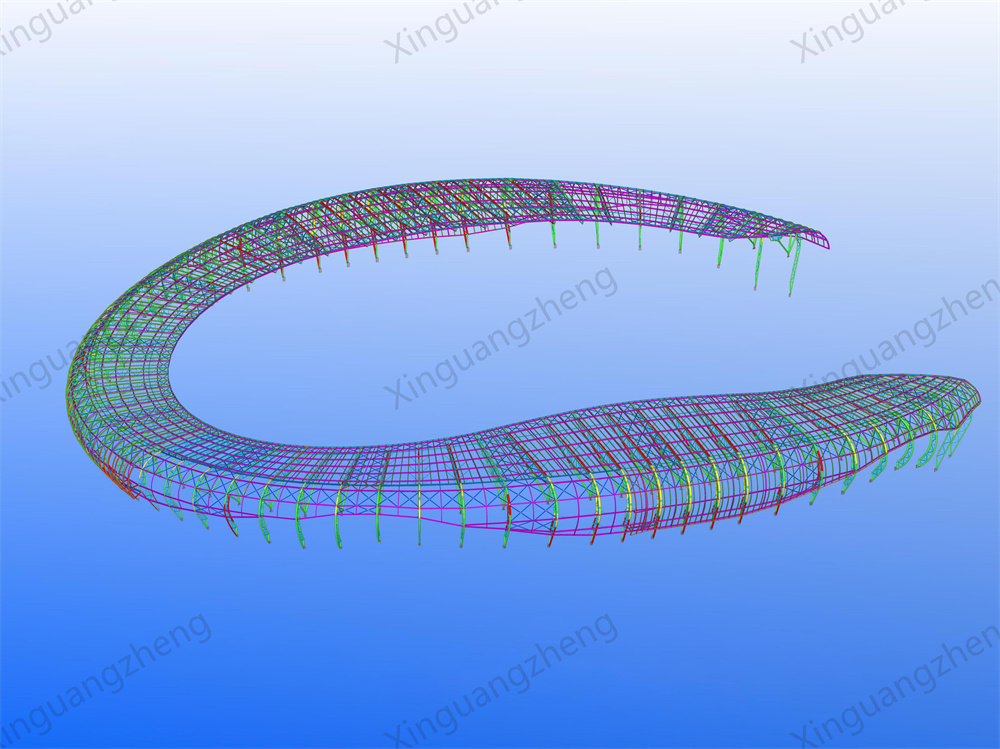
Backed by an independent design institute with over 60 professional designers and nearly 100 patents (including invention patents and utility model patents), we keep driving technological innovation and continuously optimize product performance and design schemes.
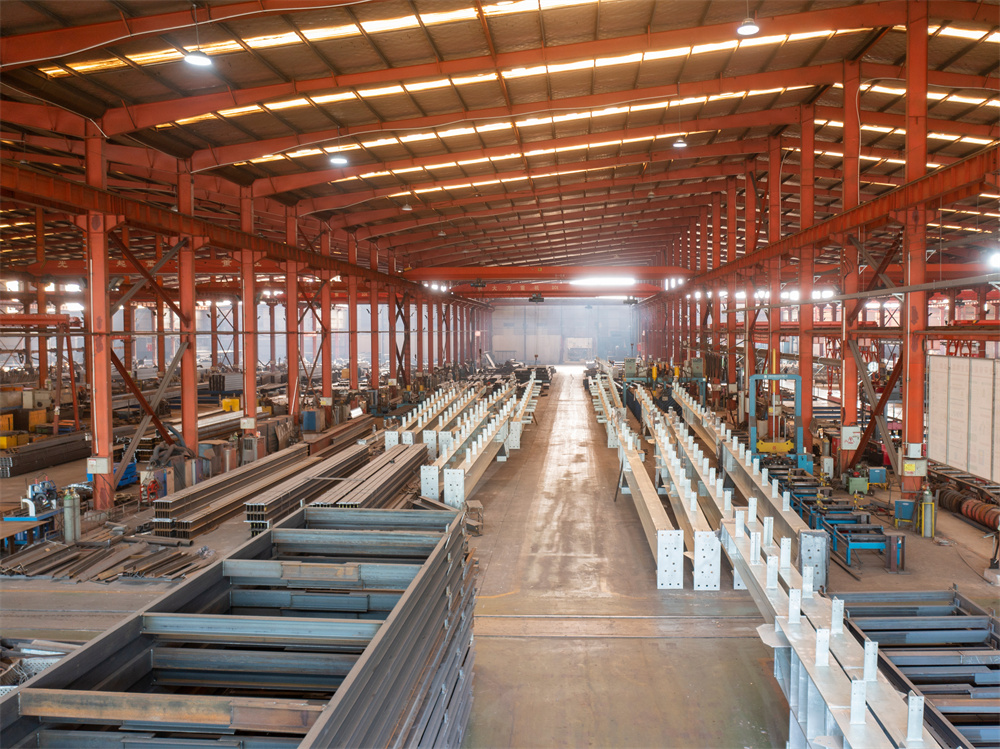
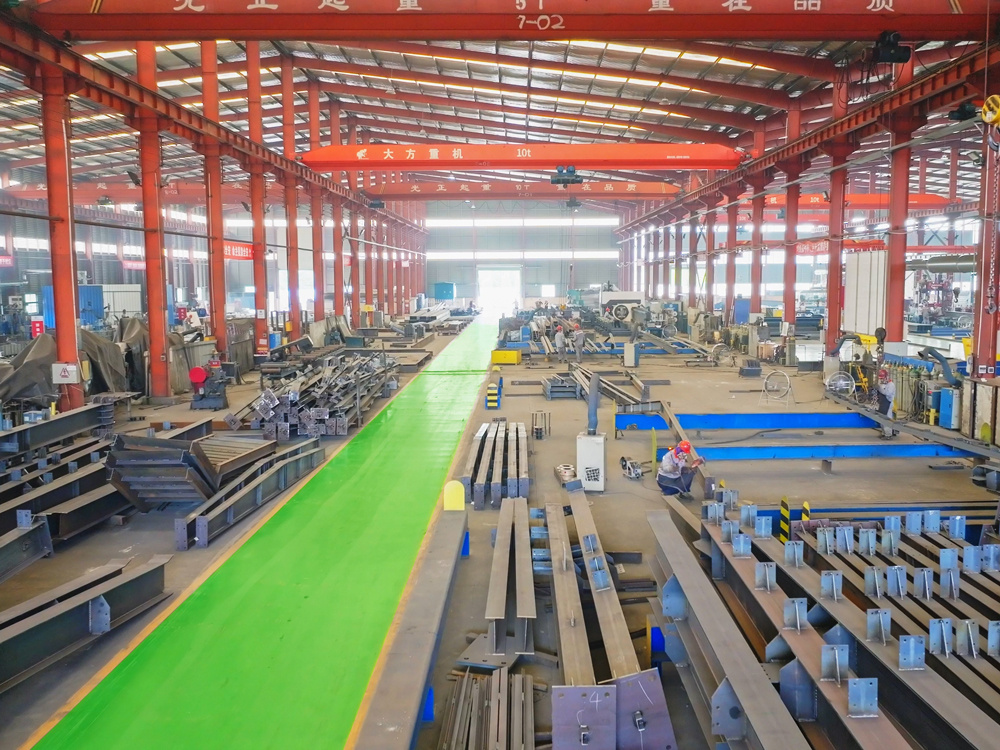
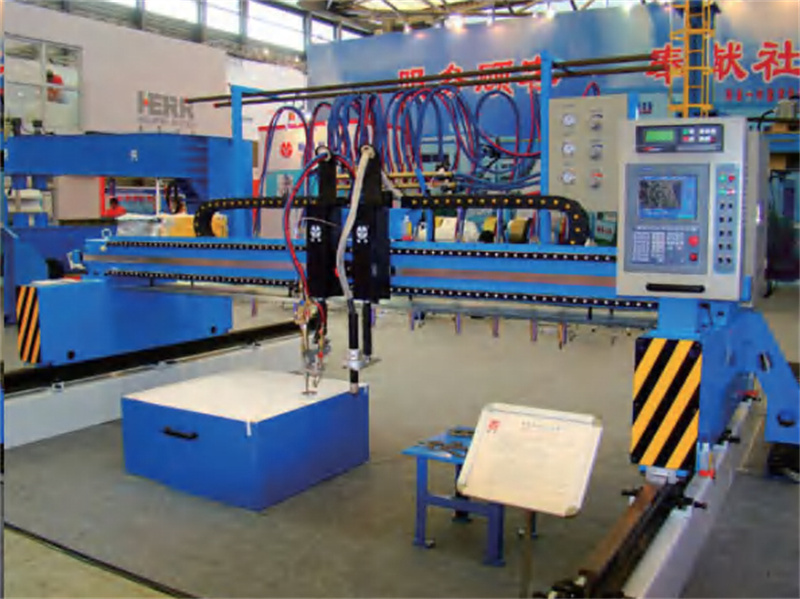
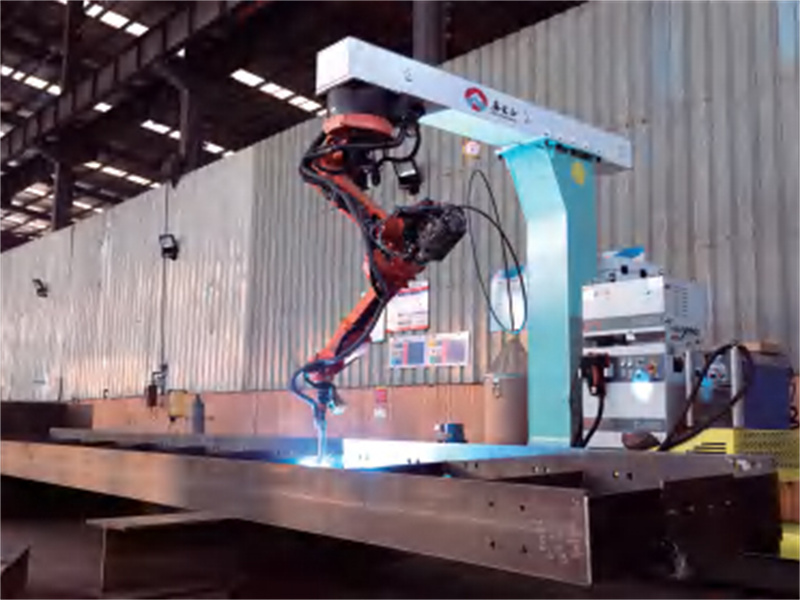
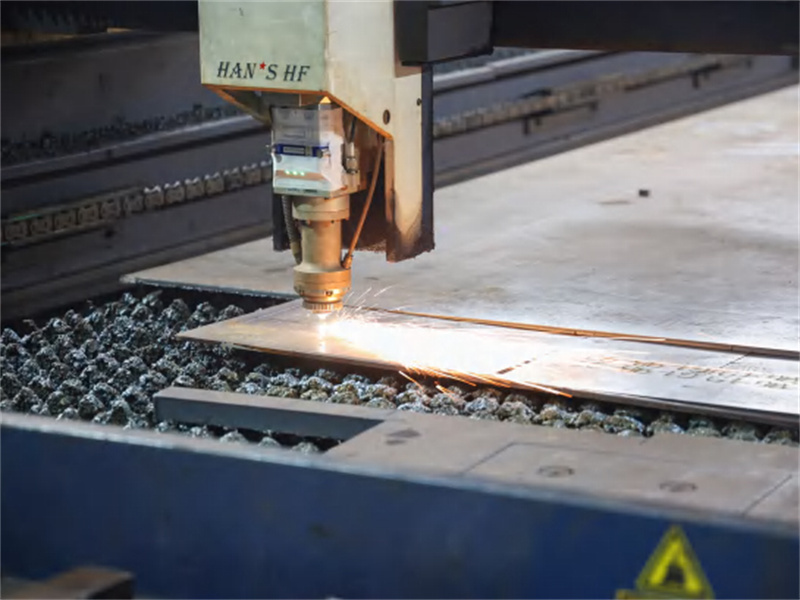
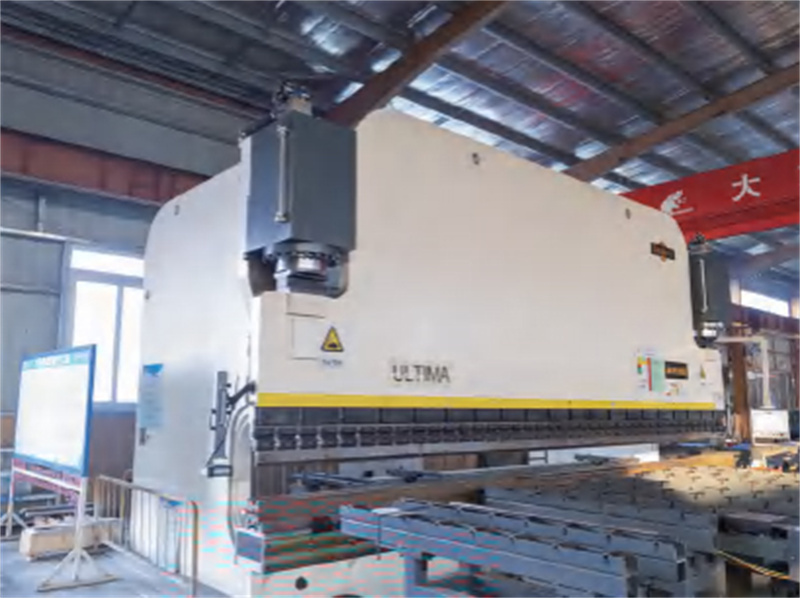
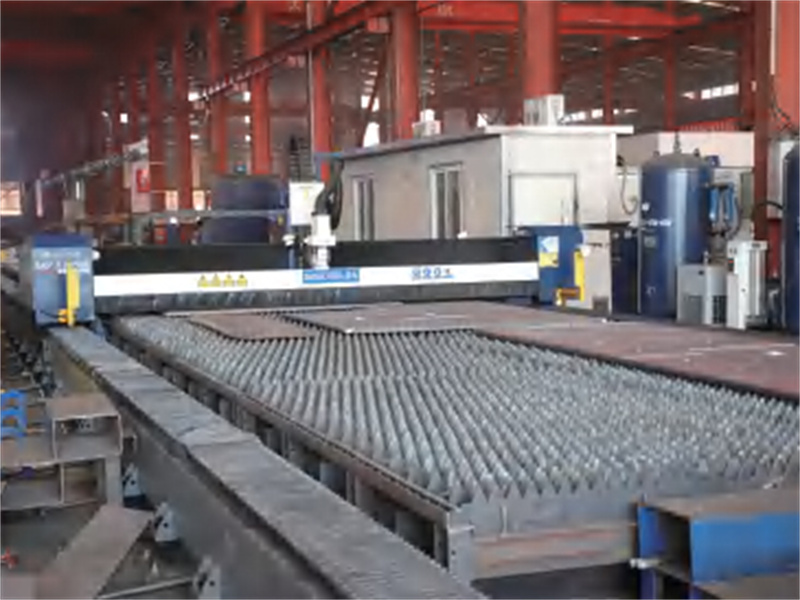
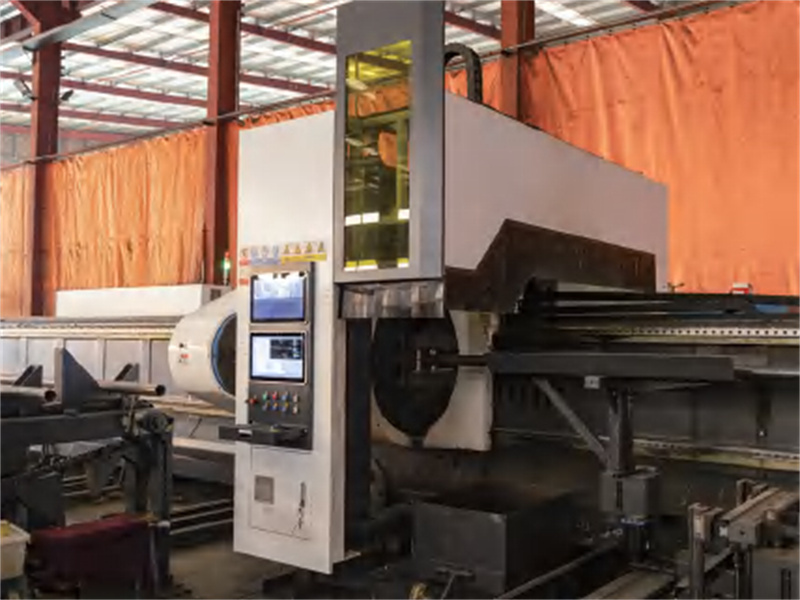
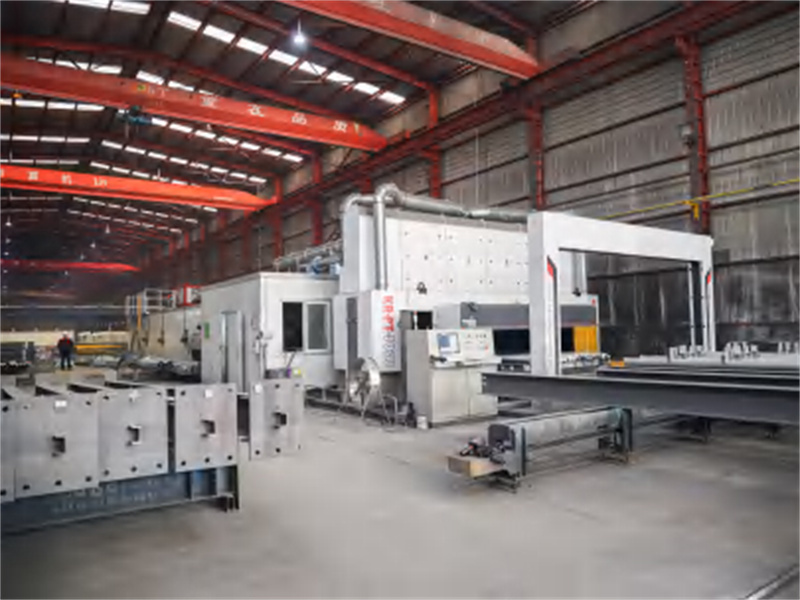
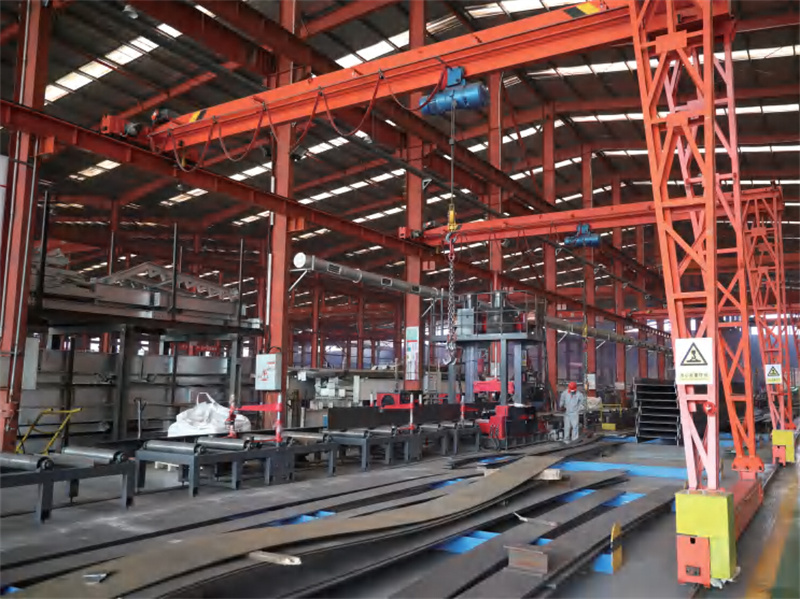
With 12 professional production lines and advanced intelligent equipment such as welding robots, laser cutting machines and numerical control processing centers, our annual production capacity reaches 150,000 tons, enabling us to process diversified steel structure products efficiently and stably, with high precision and strong reliability.
As technology advances, the design of cold chain steel warehouses is evolving to meet new environmental and technological demands.
Cold storage is highly energy-intensive. To combat high operating costs, developers are utilizing the large, unobstructed roof surfaces of steel warehouses to install massive photovoltaic (PV) solar arrays. By integrating solar energy with battery storage, modern steel warehouses can run partially or fully off-grid, significantly reducing carbon footprints and operational expenses.
The integration of IoT (Internet of Things) sensors within the steel framework is becoming standard practice. These sensors monitor structural stress, thermal expansion, moisture accumulation within insulation panels, and seal integrity. By feeding this data into AI-driven maintenance systems, operators can detect potential insulation failures or structural shifts before they result in temperature fluctuations or product loss.
Logistics requirements can change rapidly. Prefabricated steel structure designs allow for modular expansion. Unlike concrete structures, a steel warehouse can be easily extended, reconfigured, or even dismantled and relocated as business demands shift, providing unmatched flexibility to logistics operators.
We have obtained complete ISO system certifications, including ISO9001 Quality Management System, ISO14001 Environmental Management System and OHSAS18001 Occupational Health and Safety Management System
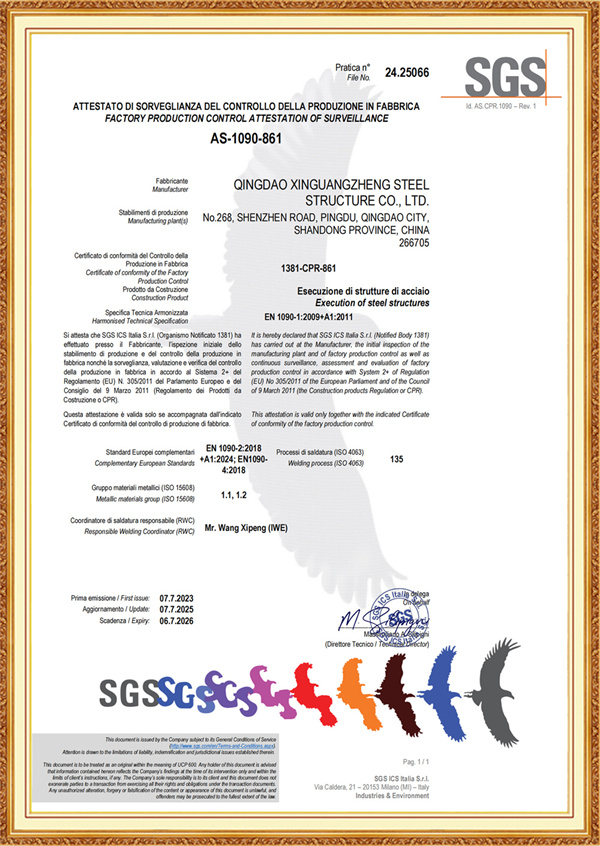
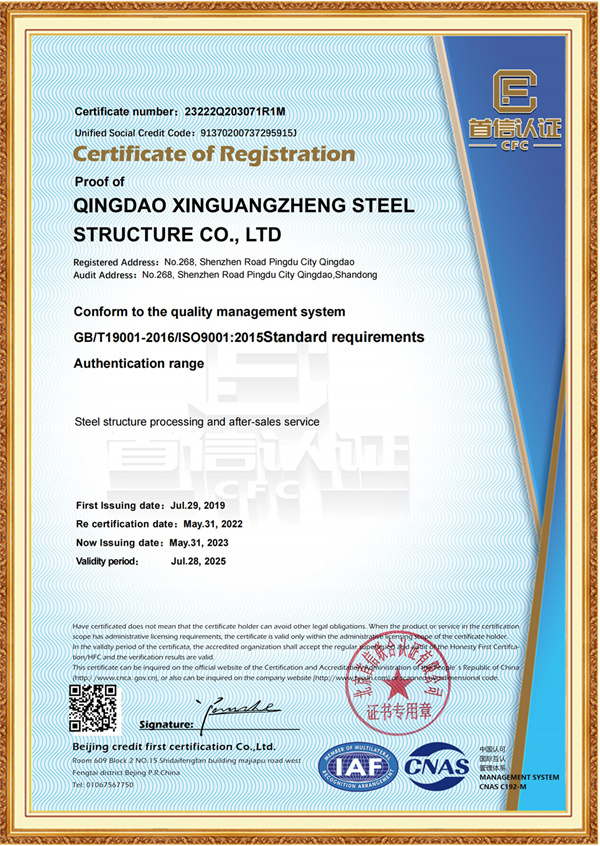
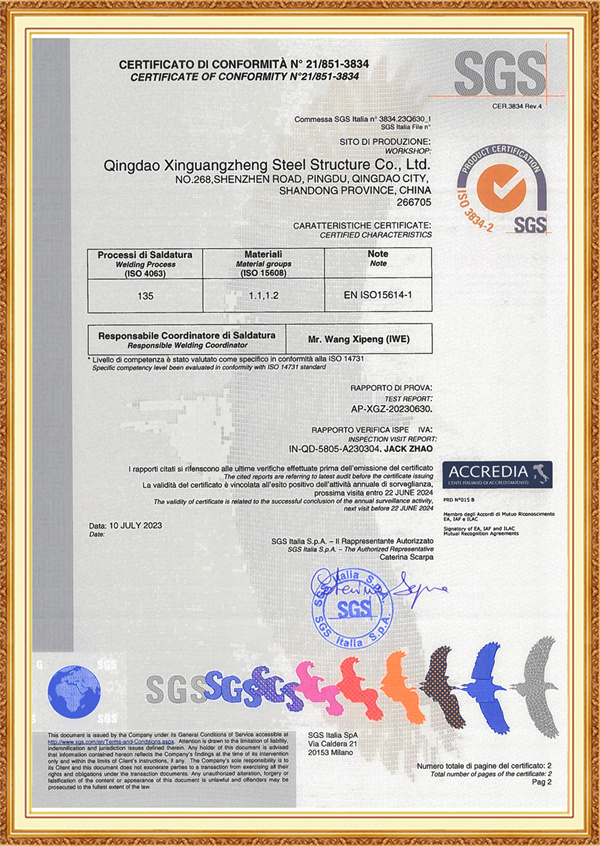



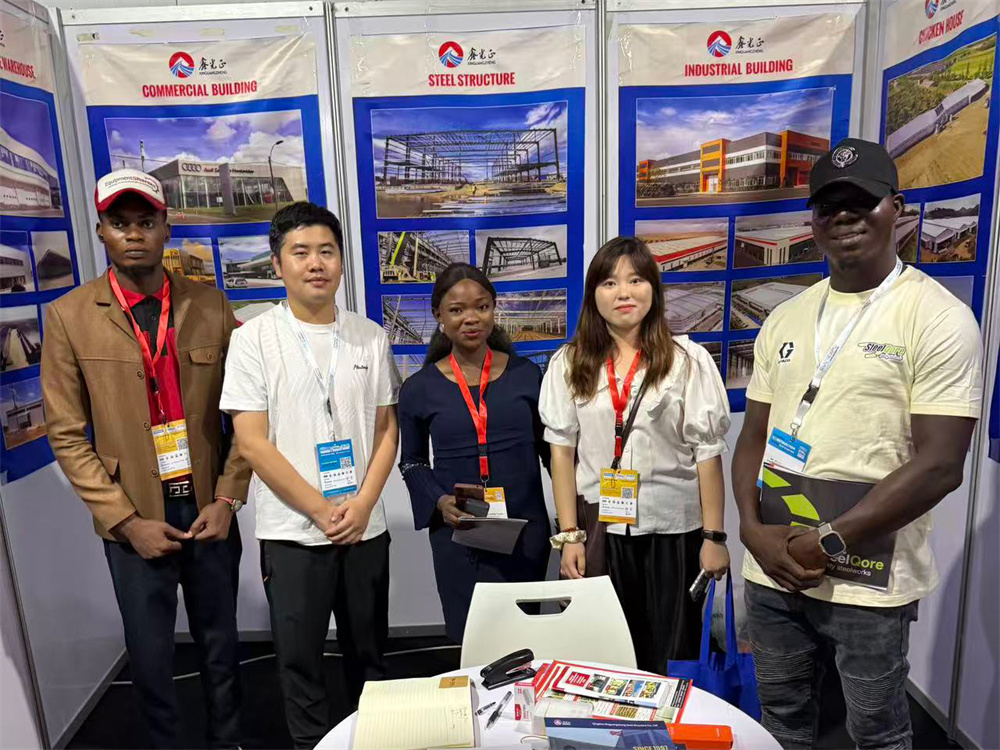
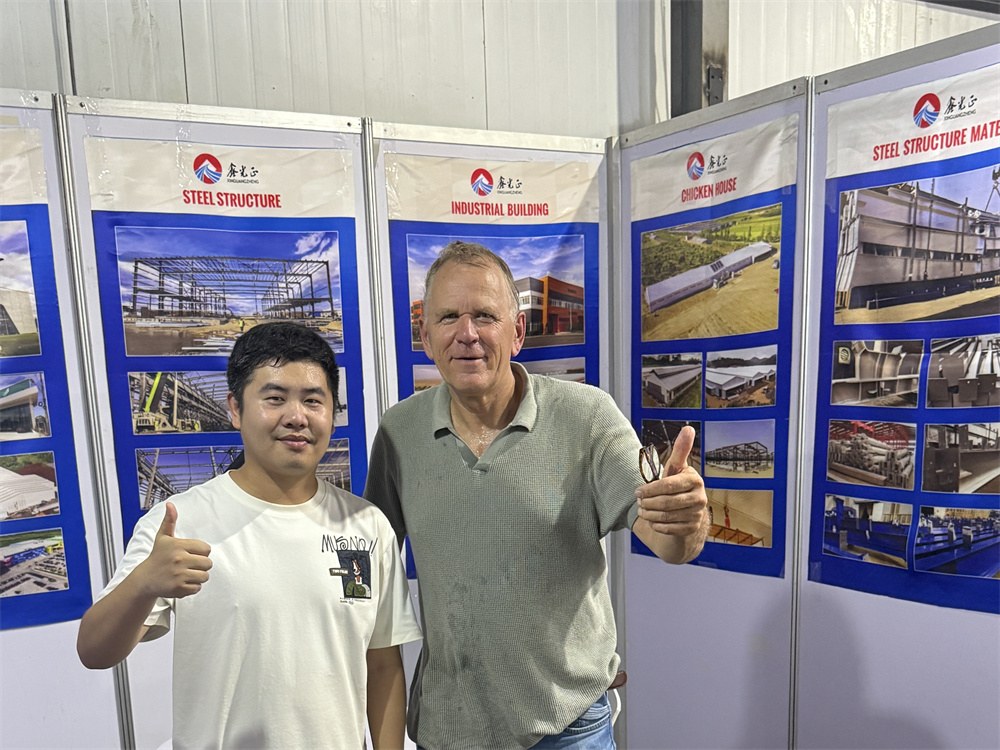
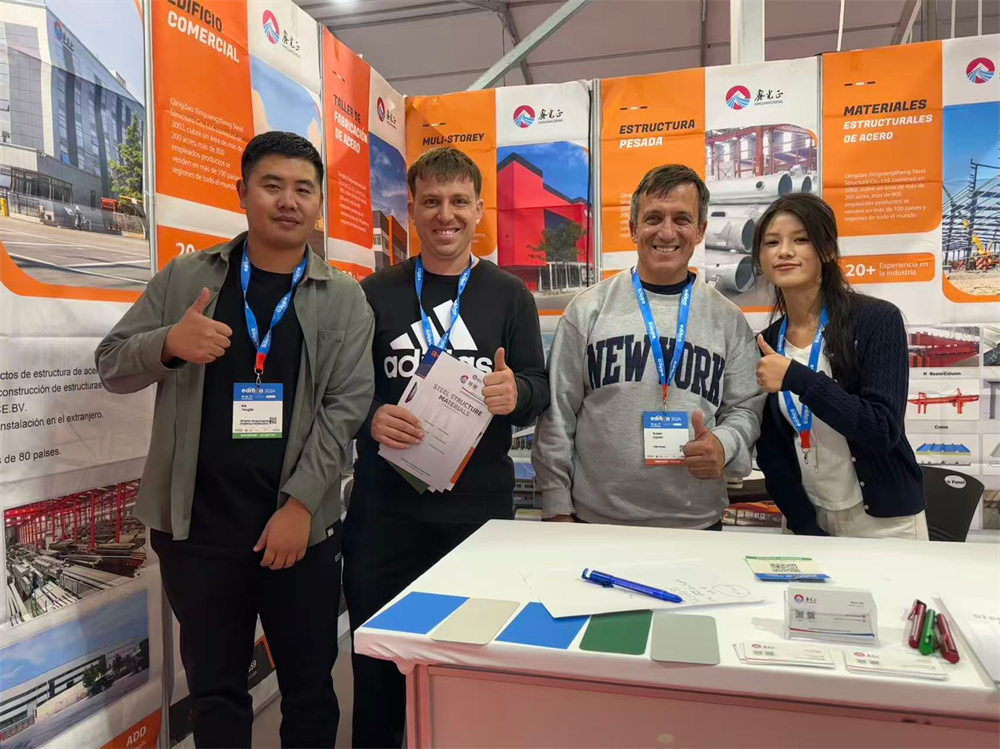
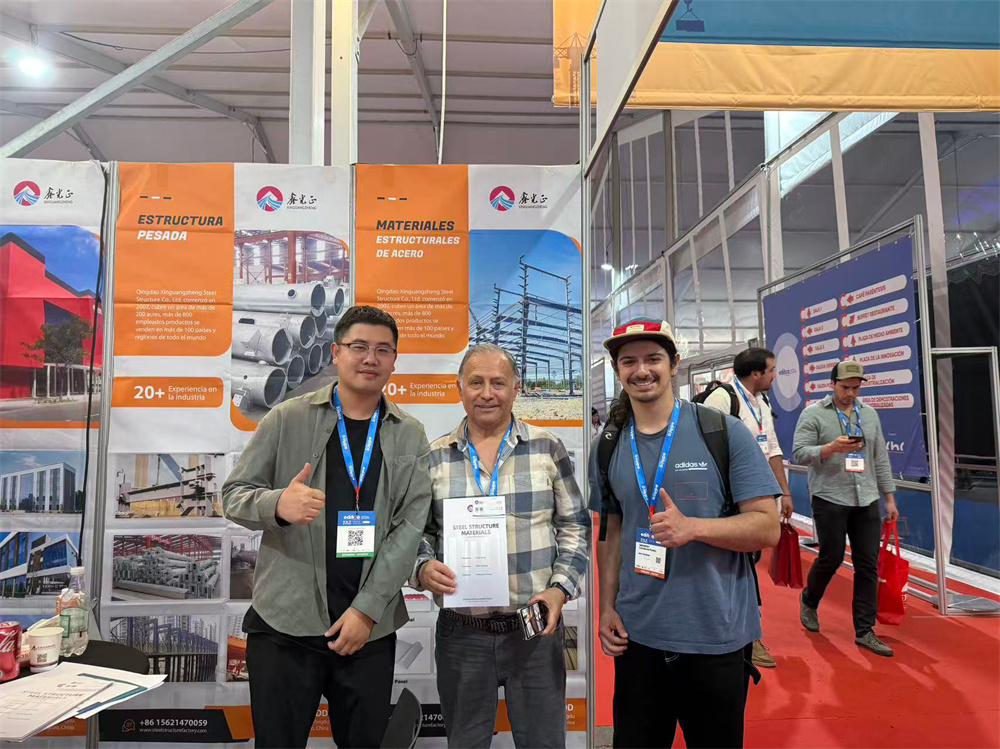
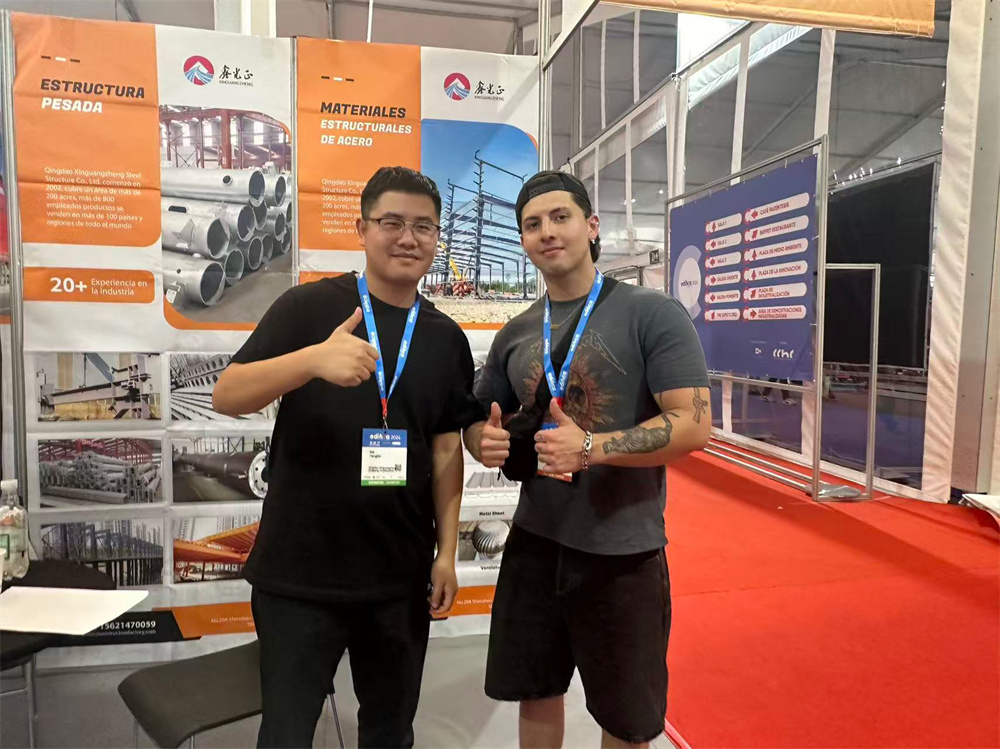

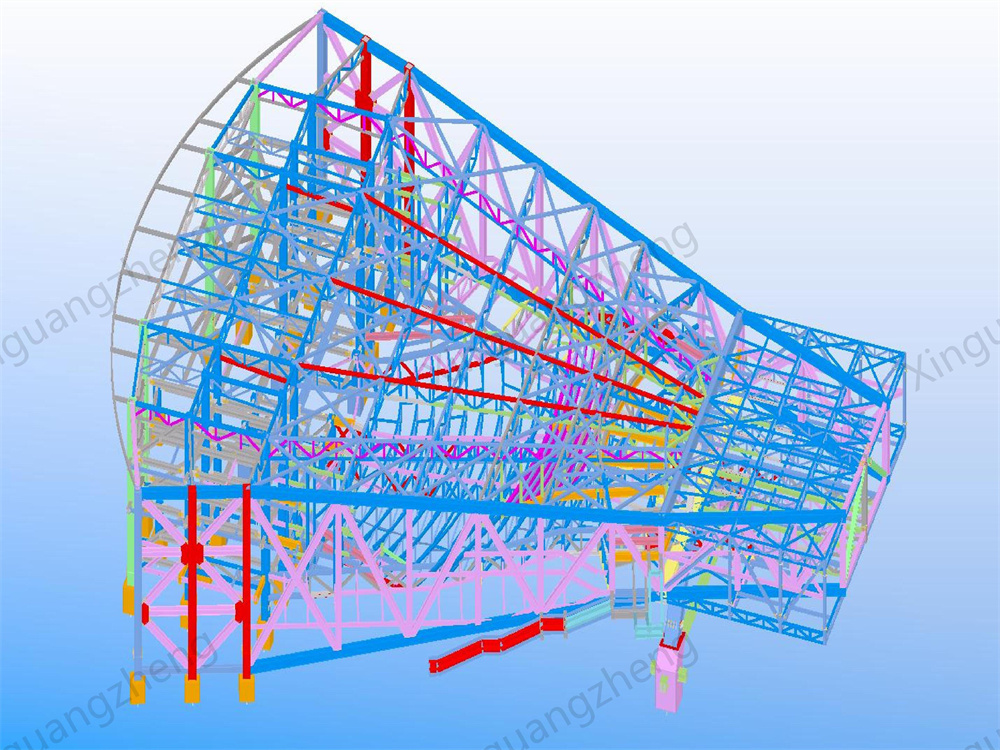
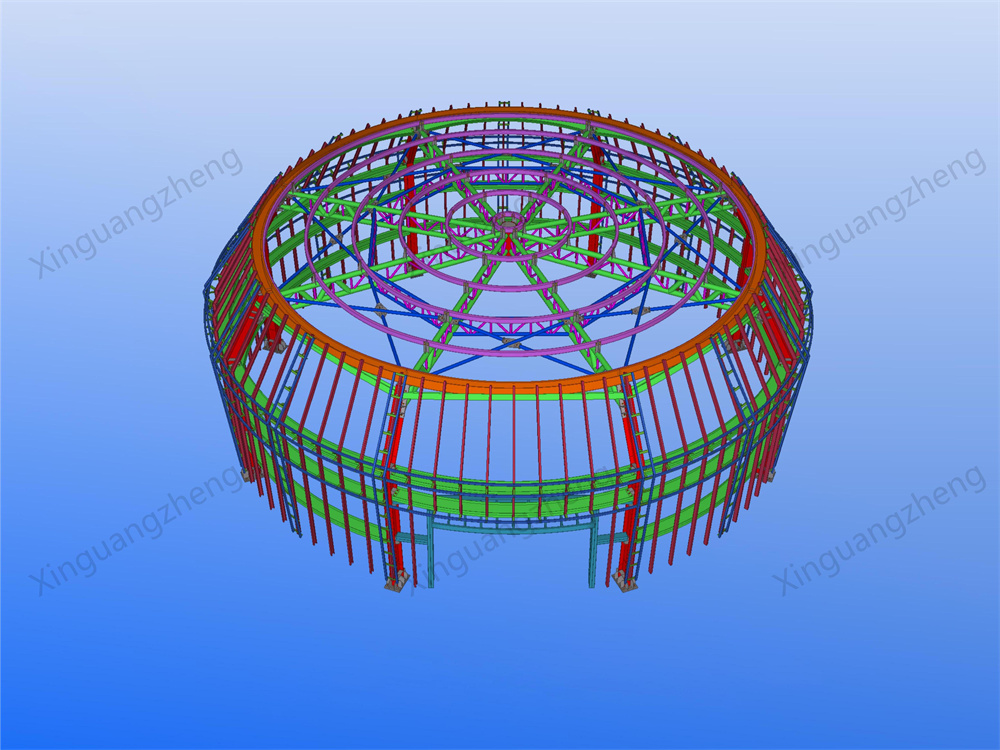
With the vision of becoming a global leader in integrated steel structure services, we uphold the mission of benefiting society, empowering employees and satisfying customers. We actively fulfill social responsibilities, promote green and low-carbon production, and provide employees with a broad development platform. We are dedicated to providing high-quality, efficient and customized solutions for global partners, and look forward to joining hands with you to create a win-win future in the field of steel structure.
Inquiry Now
Explore our full line of prefabricated structural steel solutions tailored for cold chain warehousing, logistics, and industrial support.