 +86 15853226810
Leave Your Message
-
Contact WhatsApp
-
 Contact Phone
-
 Contact Email
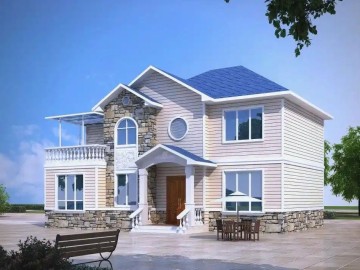
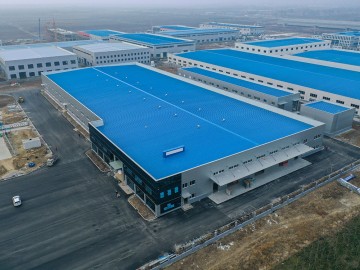
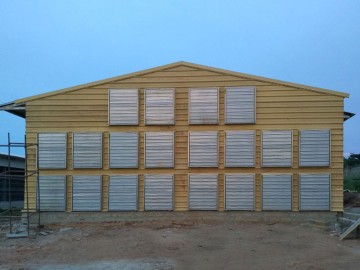
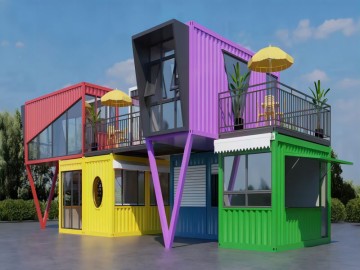
Explore our core prefabricated steel structure product lines — purpose-built for efficient inventory management and industrial storage operations.
How steel structure technology is reshaping global logistics, e-commerce fulfillment, and industrial storage infrastructure.
In today's hyper-competitive global economy, efficient inventory management has become a cornerstone of business success. Whether it's a multinational e-commerce giant processing millions of orders per day or a regional manufacturer managing raw material stockpiles, the physical infrastructure that houses inventory directly impacts operational efficiency, cost control, and scalability. Prefabricated warehouse buildings — particularly those constructed with advanced steel structures — have emerged as the definitive solution for businesses seeking to optimize their inventory management capabilities.
The global prefabricated building market was valued at over USD 180 billion in 2023 and is projected to exceed USD 320 billion by 2030, growing at a CAGR of approximately 8.5%. A significant portion of this growth is driven by the surging demand for warehouse and logistics infrastructure, fueled by the explosive expansion of e-commerce, cold chain logistics, and advanced manufacturing across emerging and developed markets alike.
Traditional concrete-based warehouses, while durable, present significant limitations when it comes to adapting to the dynamic needs of modern inventory management. Prefabricated steel structure warehouses address these limitations with a suite of structural, functional, and economic advantages that make them the preferred choice for logistics operators worldwide.
Key Advantage: Prefabricated steel warehouses can be designed with column-free clear spans exceeding 60 meters, enabling completely unobstructed interior layouts ideal for automated racking systems, AGV (Automated Guided Vehicle) pathways, and high-density pallet storage — dramatically increasing inventory capacity per square meter.
One of the most compelling advantages of prefabricated steel warehouses is their inherent structural flexibility. Unlike traditional construction, steel components are precision-manufactured off-site and assembled on location, allowing for highly customized interior configurations. This means warehouse operators can design their facility around their specific inventory profile — whether that requires multi-tier mezzanine storage, extra-wide loading bays, overhead crane systems, or specialized temperature-controlled zones for sensitive goods.
Time-to-market is critical in modern business. A conventional warehouse construction project can take 18–36 months from groundbreaking to operation. Prefabricated steel warehouses, by contrast, can be erected in as little as 3–6 months for mid-size facilities, with all structural components pre-engineered and fabricated simultaneously with site preparation. This compressed timeline translates directly into faster inventory deployment, earlier revenue generation, and competitive advantage in fast-moving markets.
Business inventory requirements rarely remain static. Seasonal demand spikes, business growth, and supply chain restructuring all necessitate warehouse expansion. Prefabricated steel structures are inherently modular — additional bays, mezzanine levels, or entirely new wings can be added with minimal disruption to ongoing operations. This scalability makes steel warehouses a long-term infrastructure investment that grows with the business.
Understanding the commercial and industrial forces driving the global adoption of prefabricated warehouse buildings.
The demand for prefabricated warehouse buildings has been supercharged by several converging macro trends. The COVID-19 pandemic exposed critical vulnerabilities in global supply chains, prompting businesses across every sector to invest heavily in domestic and regional warehousing capacity to build inventory buffers and reduce dependency on single-source suppliers. This "nearshoring" and "friend-shoring" phenomenon has created an unprecedented wave of warehouse construction investment across North America, Europe, Southeast Asia, and the Middle East.
Simultaneously, the e-commerce sector — which now accounts for over 20% of global retail sales — demands a fundamentally different type of warehouse: high-throughput fulfillment centers located close to urban population centers, with flexible layouts that can accommodate automated sorting systems, robotic picking stations, and high-density vertical storage. Prefabricated steel structures are uniquely positioned to meet these requirements quickly and cost-effectively.
In the industrial sector, advanced manufacturing industries including automotive, aerospace, electronics, and pharmaceuticals require specialized warehousing solutions that combine large clear-span storage areas with cleanroom-compatible construction, precise temperature and humidity control, and heavy load-bearing floors capable of supporting automated storage and retrieval systems (AS/RS). Steel structure warehouses can be engineered to meet all these demanding specifications.
Modern prefabricated warehouses are being designed from the ground up to integrate IoT sensors, RFID inventory tracking, AI-powered warehouse management systems (WMS), and robotic automation. Steel structures provide the clean, column-free interiors that these technologies require to function optimally.
Steel is one of the world's most recycled materials, with a global recycling rate exceeding 85%. Prefabricated steel warehouses generate significantly less construction waste, consume less energy during manufacturing, and can be designed to incorporate solar panels, rainwater harvesting, and natural ventilation systems — aligning with corporate ESG commitments and green building certifications.
The global cold chain logistics market is growing at over 10% annually, driven by pharmaceutical, food & beverage, and biotech industries. Prefabricated steel warehouses can be equipped with advanced insulation systems, refrigeration infrastructure, and vapor barriers to create state-of-the-art cold storage facilities that maintain precise temperature control for inventory integrity.
As urban land prices escalate, logistics operators are increasingly building upward rather than outward. Multi-story prefabricated steel warehouses — some reaching 5–8 floors — are becoming a defining feature of urban logistics infrastructure, enabling last-mile fulfillment operations in densely populated areas where single-story facilities are economically unviable.
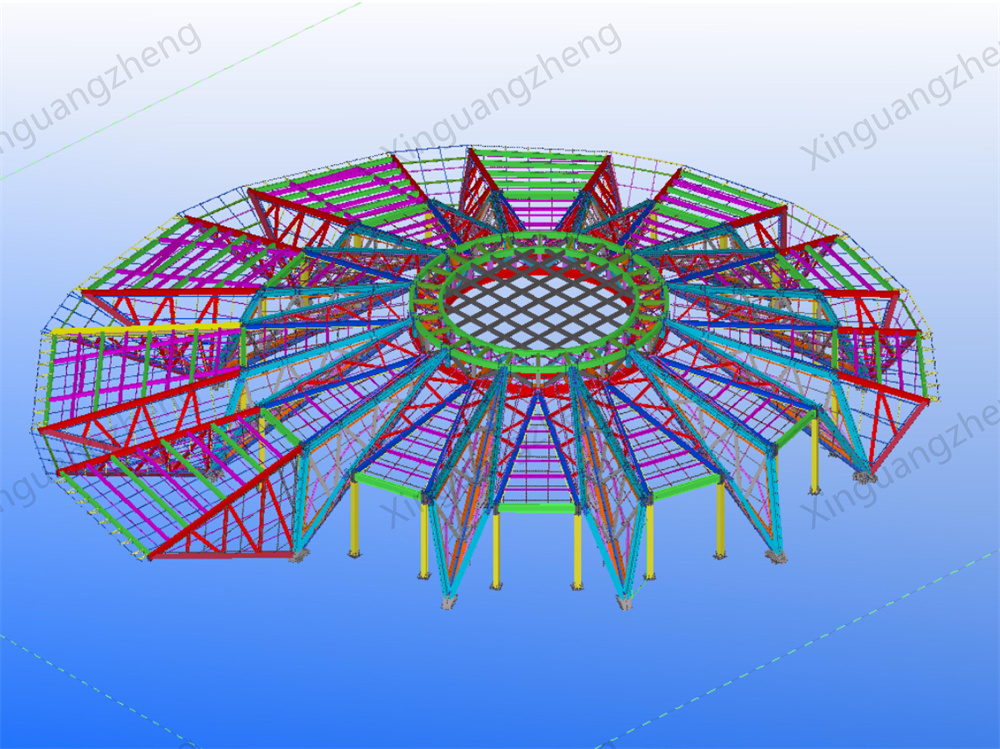
Building Information Modeling (BIM) and digital twin technology are transforming how prefabricated warehouses are designed, built, and managed. Every structural component can be modeled, stress-tested, and optimized virtually before a single piece of steel is cut, reducing errors, minimizing waste, and accelerating project delivery timelines.
Rapidly developing economies in Africa, Southeast Asia, Latin America, and the Middle East are investing massively in logistics infrastructure to support their growing manufacturing and consumer sectors. Prefabricated steel warehouses, with their speed of construction and cost efficiency, are the preferred solution for these high-growth markets.
Prefabricated warehouse buildings deliver transformative value across a wide spectrum of commercial and industrial inventory management contexts.
High-throughput order fulfillment operations demand clear-span interiors, high eave heights (12–18m), heavy-duty mezzanine systems, and multiple loading dock configurations. Steel structure warehouses deliver all of these with the speed and flexibility that fast-growing e-commerce businesses require.
Pharmaceutical, food, and biotech companies rely on temperature-controlled steel warehouses with advanced insulation, vapor barriers, and refrigeration systems. Prefabricated steel structures provide the structural integrity and design flexibility needed for compliant cold chain inventory management.
Industrial manufacturers require robust, heavy-load-bearing warehouses capable of supporting overhead cranes, heavy racking systems, and bulk material storage. Steel structure warehouses can be engineered to support crane loads exceeding 50 tons while maintaining the clear spans needed for efficient material flow.
Automotive supply chains demand just-in-time (JIT) inventory management with precise parts tracking and rapid retrieval. Multi-bay steel warehouses with integrated conveyor systems, automated racking, and dedicated loading zones are essential infrastructure for automotive logistics operations.
Large-span steel structure warehouses provide ideal storage conditions for bulk agricultural commodities, with options for ventilation systems, moisture control, and pest-resistant construction. Their rapid deployment makes them ideal for expanding agricultural storage capacity to reduce post-harvest losses.
Free trade zones and bonded warehouses require facilities that meet strict customs compliance standards while maximizing storage efficiency. Prefabricated steel warehouses can be designed with segregated storage zones, secure access control infrastructure, and customs inspection facilities integrated into the structural design.
The performance of a prefabricated warehouse as an inventory management facility is determined by a set of critical technical parameters. Leading steel structure manufacturers like Qingdao Xinguangzheng engineer these parameters with precision to maximize operational efficiency:
Design Philosophy: Every Xinguangzheng prefabricated warehouse is designed using BIM technology with full structural analysis, ensuring that every beam, column, and connection is optimized for both structural performance and operational functionality — delivering a warehouse that works as hard as the business it supports.
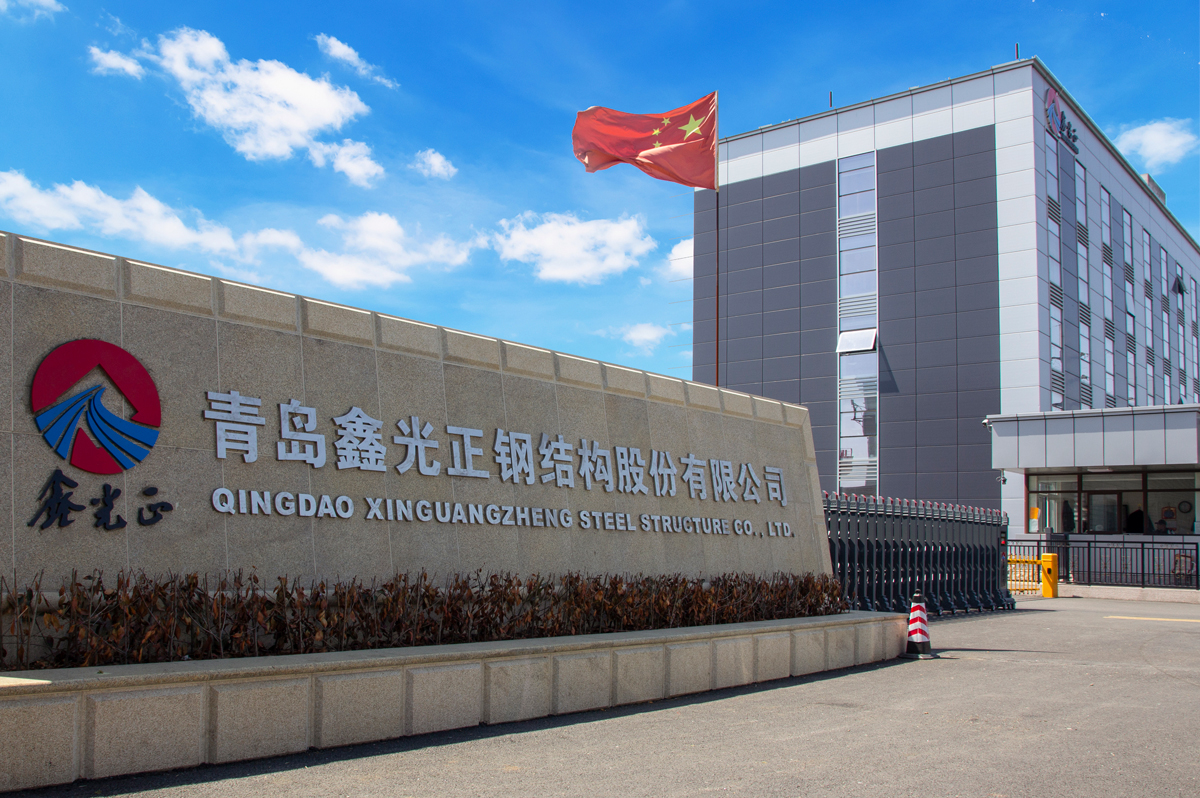
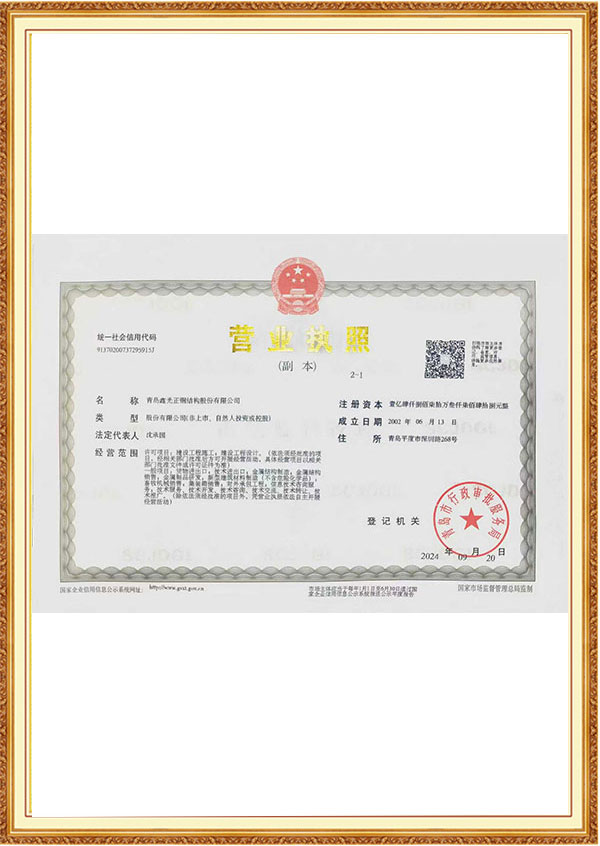
Founded in 2002 and successfully listed on the National Equities Exchange and Quotations (NEEQ) in 2015, Qingdao Xinguangzheng Steel Structure Co., Ltd. has taken a key step in standardized and international development that laid a solid foundation for global market expansion and standardized operation.
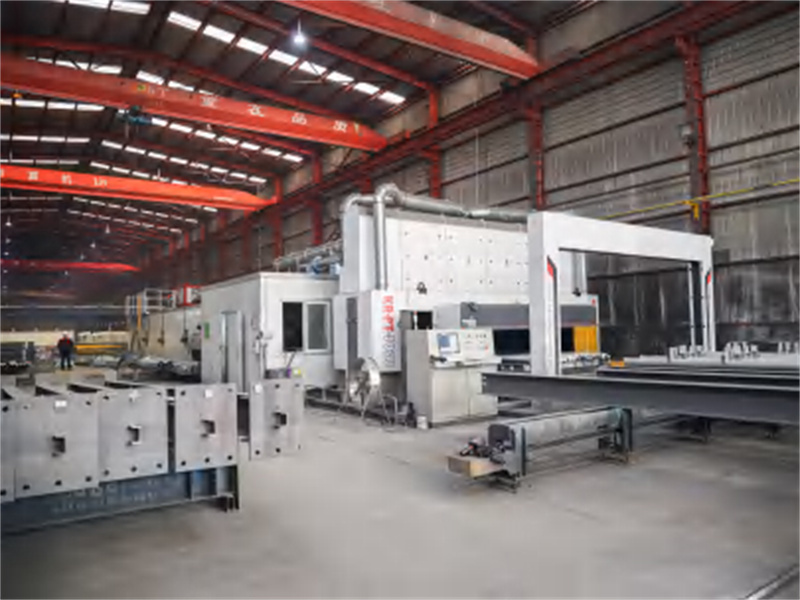
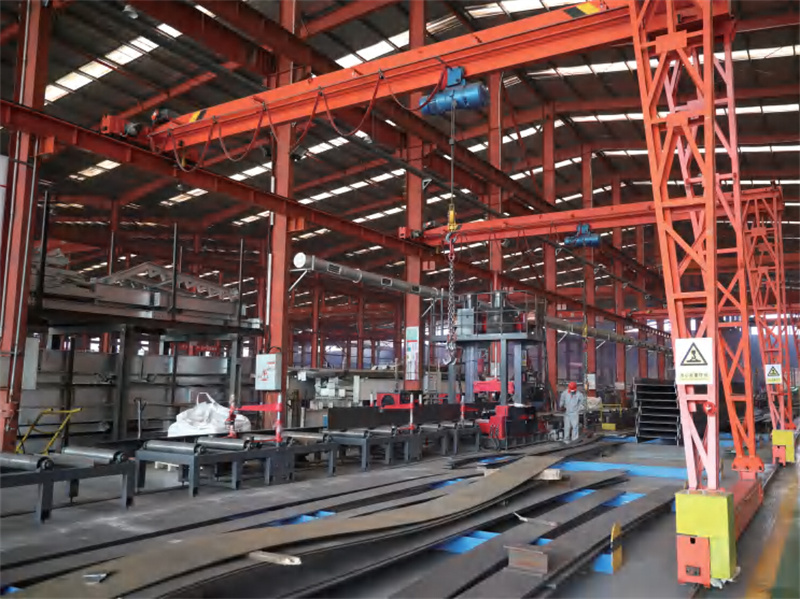
Headquartered in Pingdu, Qingdao, our company covers a total area of more than 140,000 square meters, divided into an intelligent production area, R&D and design area, office area and logistics storage area — creating a scientific and efficient operation layout that supports our mission of delivering world-class prefabricated steel structure warehouse solutions.
With a professional team of over 1,000 employees including senior engineers, technical backbones, and experienced operators, we have built long-term and stable cooperative partnerships with more than 10,000 customers across over 100 countries and regions worldwide.
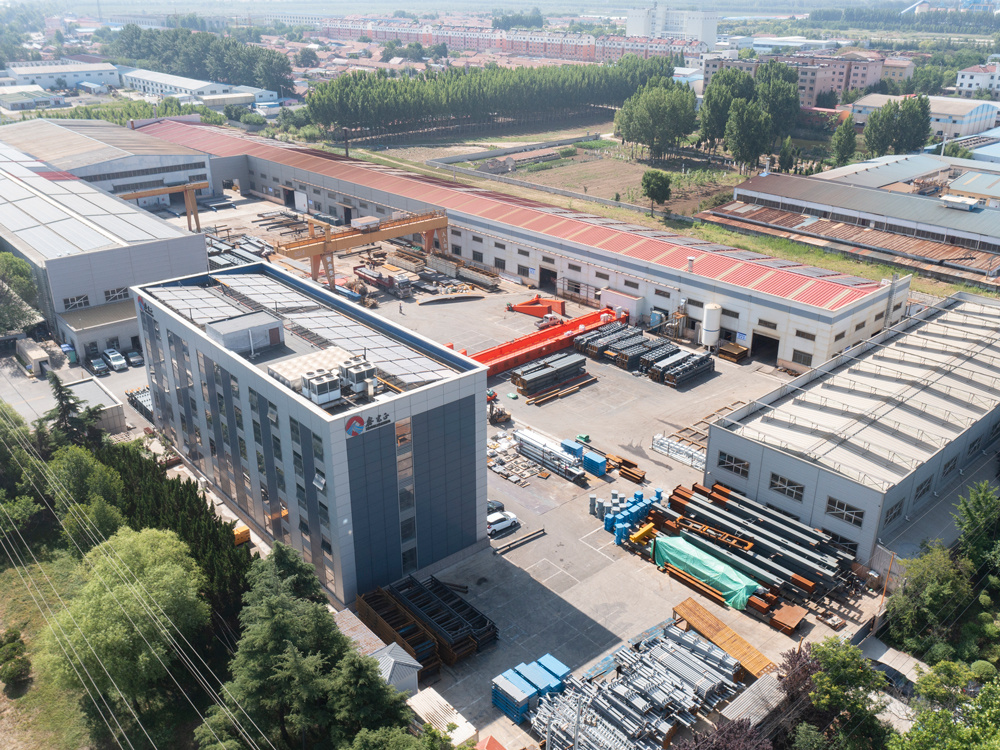
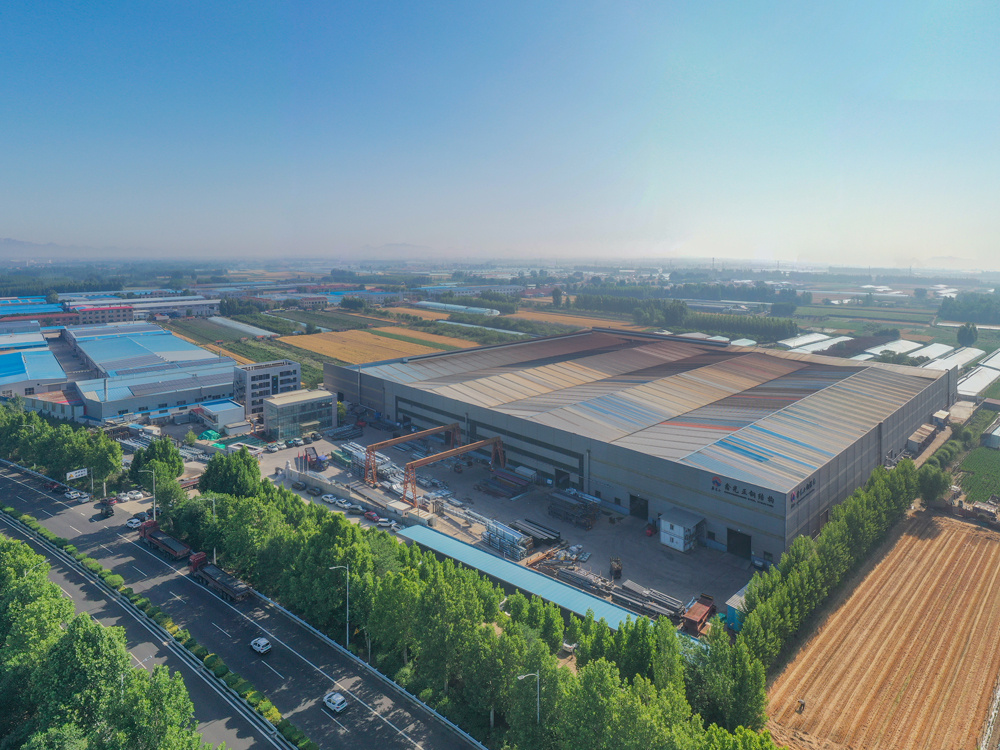
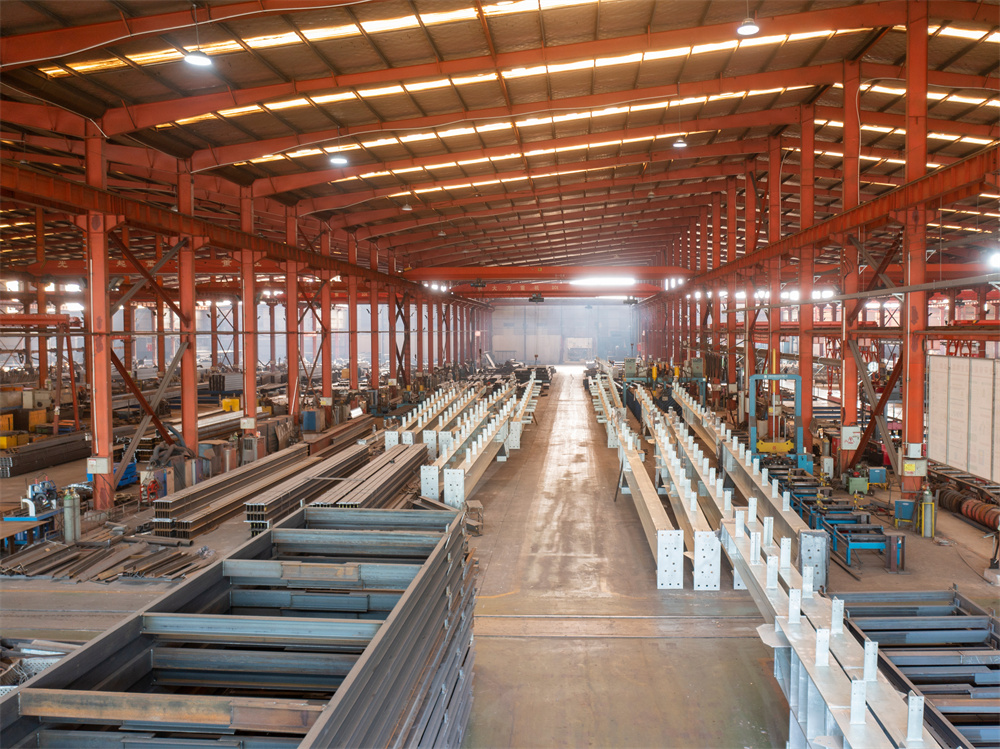
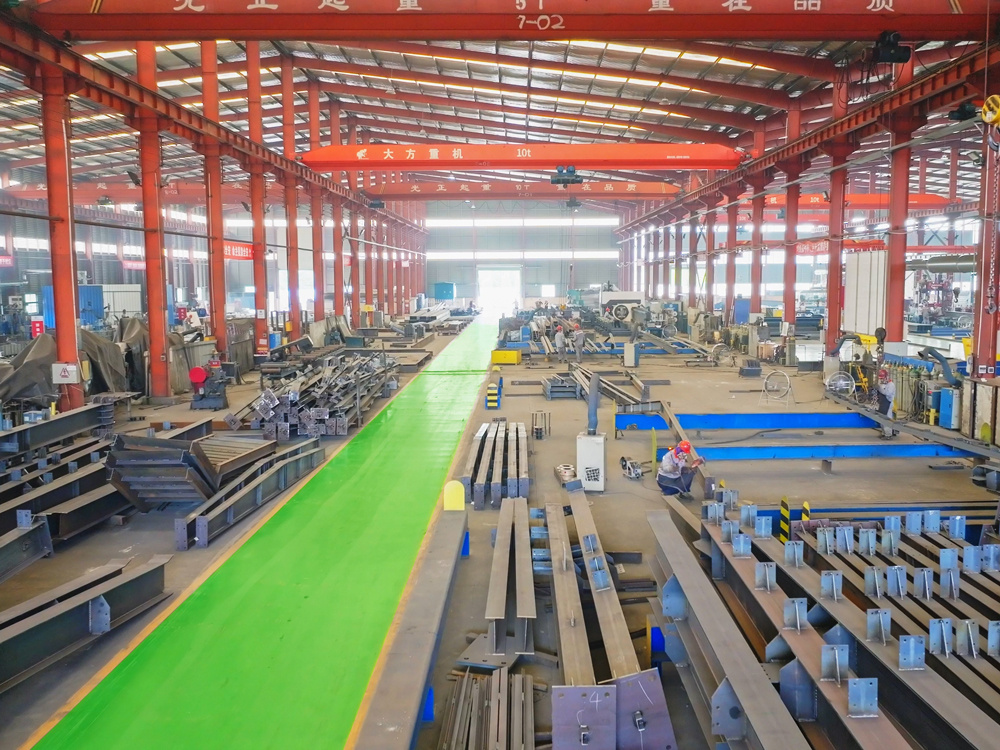
Four pillars that make Xinguangzheng the trusted partner for prefabricated warehouse buildings worldwide.
We have a professional team of over 1,000 employees, including senior engineers, technical backbones and experienced operators, who provide strong support for the company's technological innovation and high-quality service.
Over the years, we have built long-term and stable cooperative partnerships with more than 10,000 customers across over 100 countries and regions worldwide, delivering reliable, high-performance steel structure solutions to fields such as industrial plants, bridges, stadiums and commercial buildings.
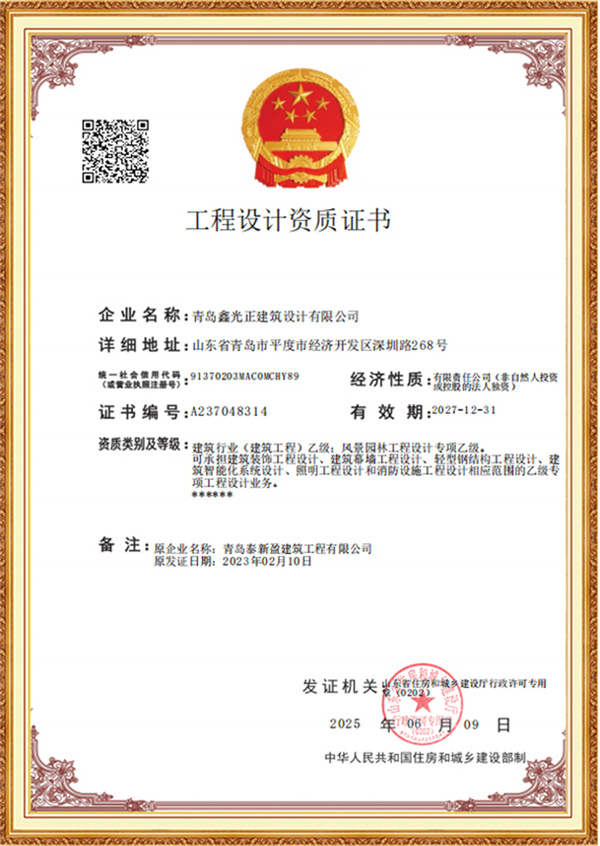
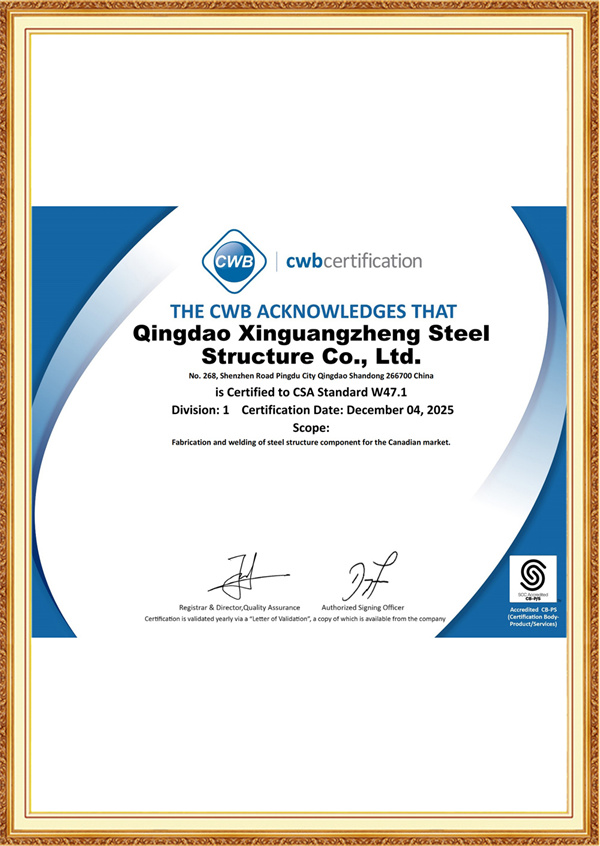
As a national High and New Technology Enterprise and a Specialized, Refined, Novel, and Innovative Enterprise, we hold top-tier industry qualifications, including Grade I Steel Structure Engineering Contracting Qualifications and Grade I Steel Structure Manufacturing Qualifications, which enable us to undertake large-scale, high-standard steel structure projects at home and abroad.
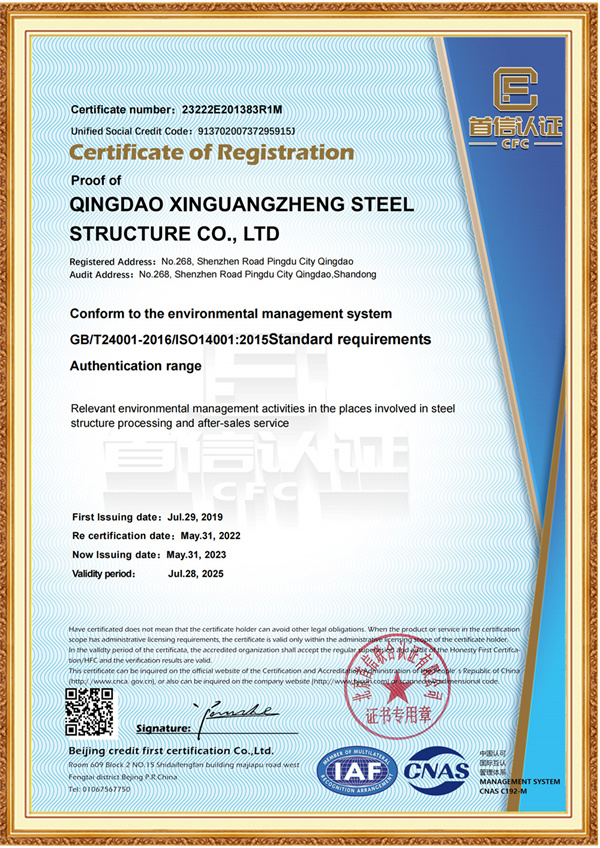
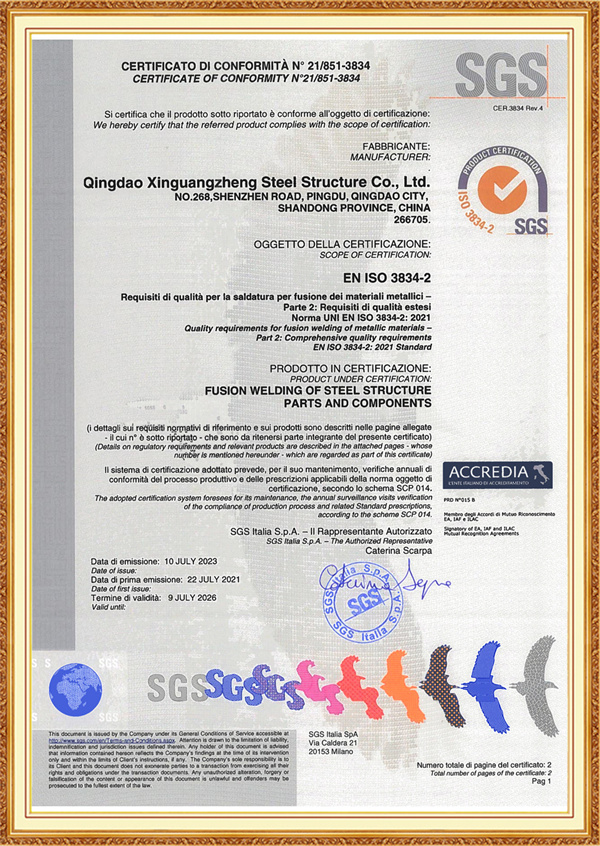
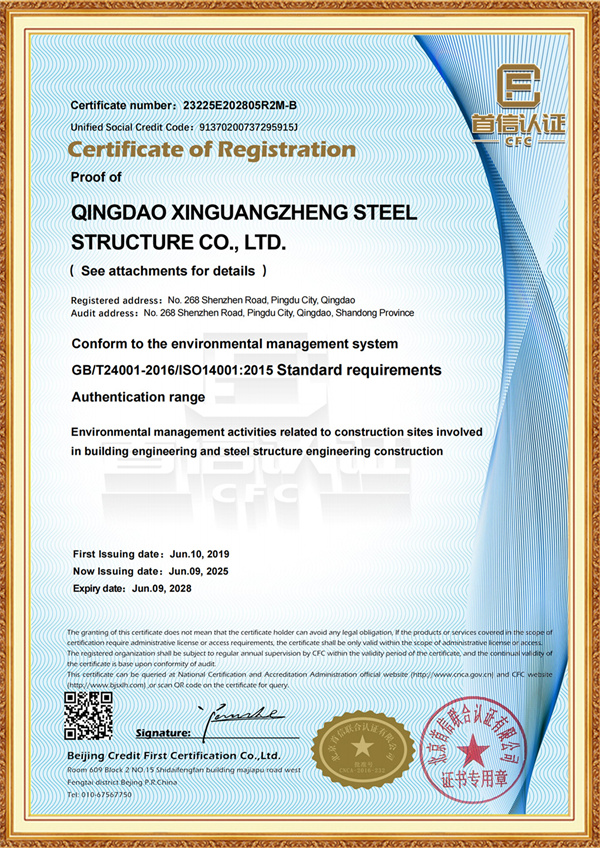
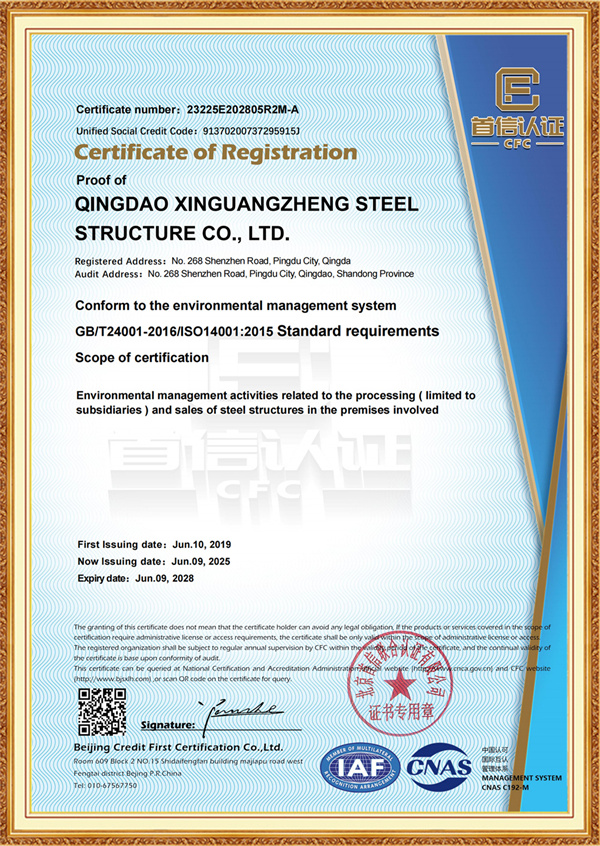
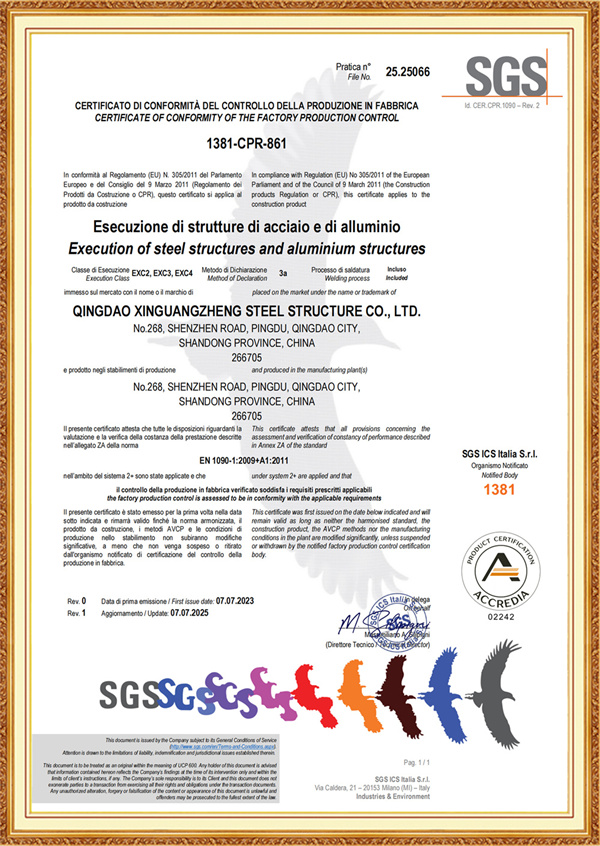
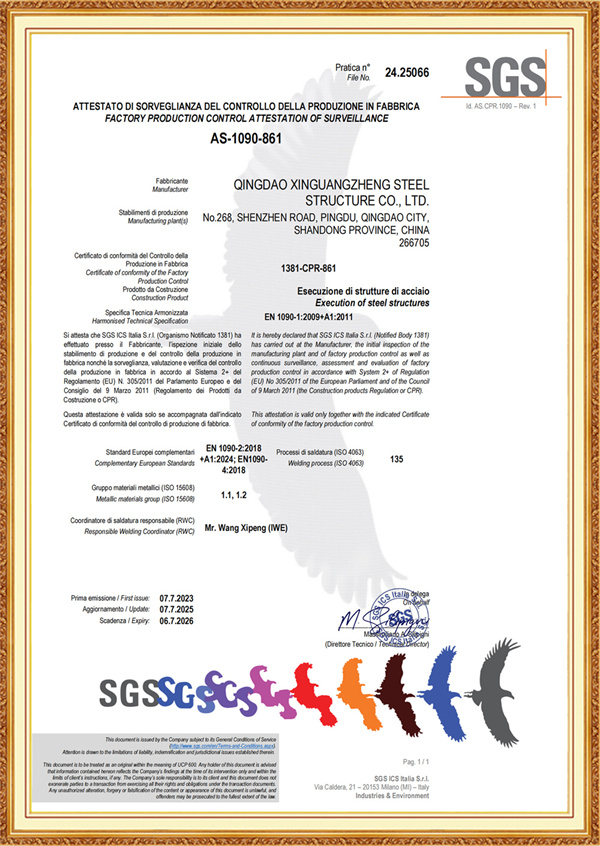
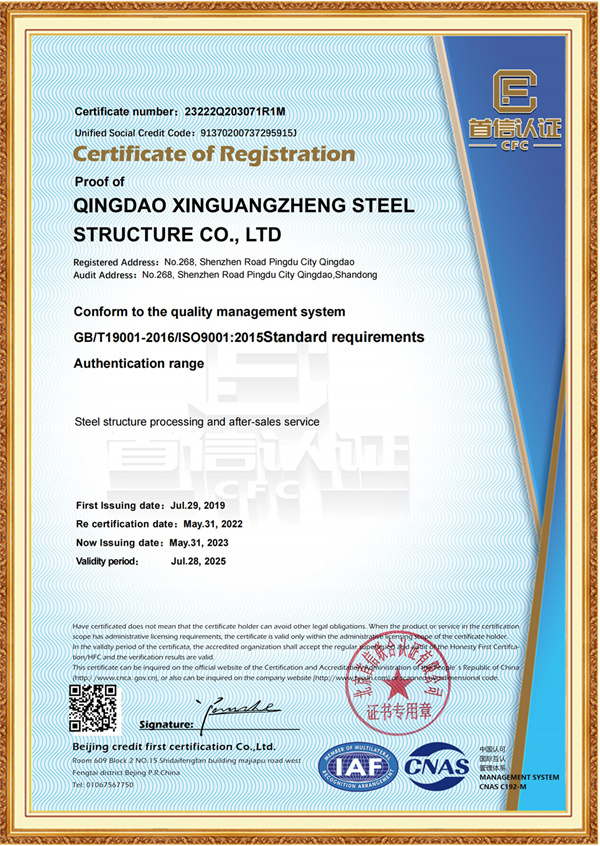
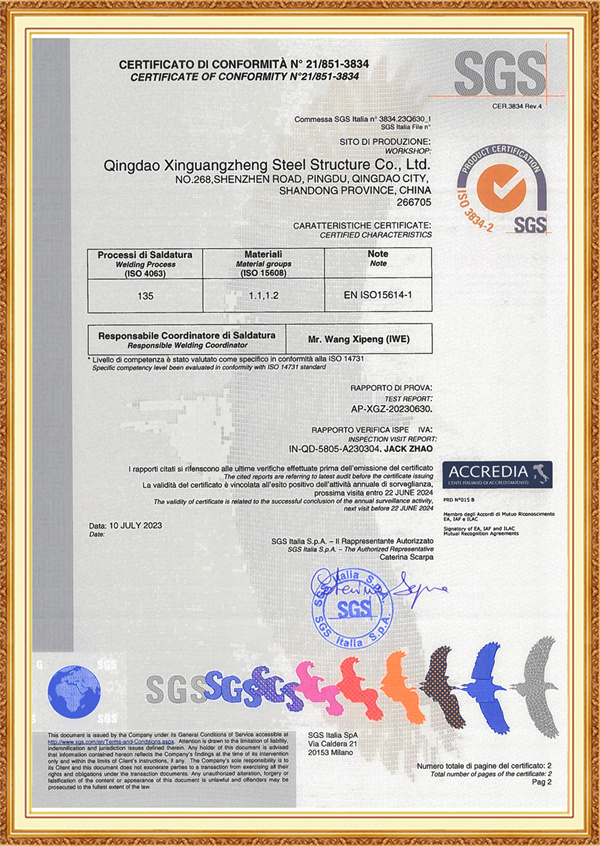
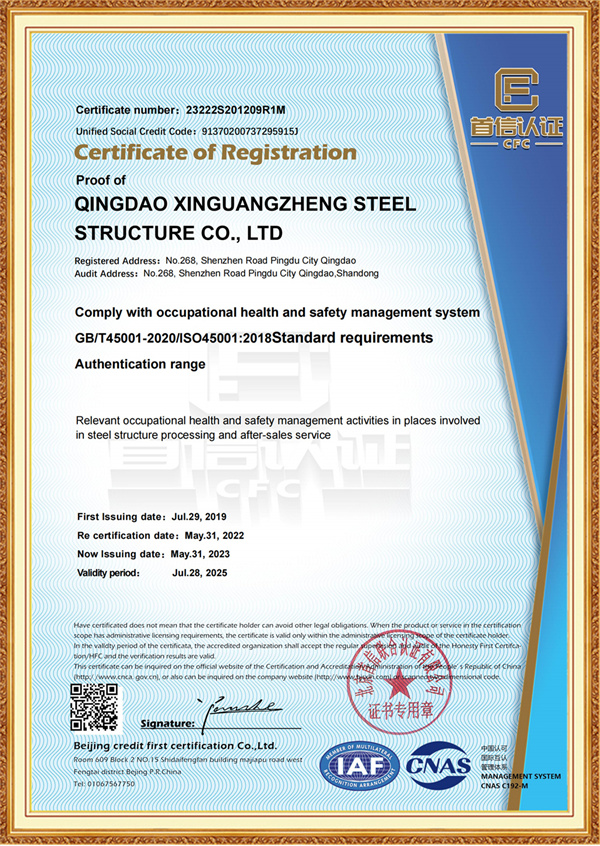
We have obtained complete ISO system certifications, including ISO9001 Quality Management System, ISO14001 Environmental Management System and OHSAS18001 Occupational Health and Safety Management System, and our products fully comply with strict industrial standards of the United States, Europe, Russia and Canada, meeting the diverse needs of global customers.
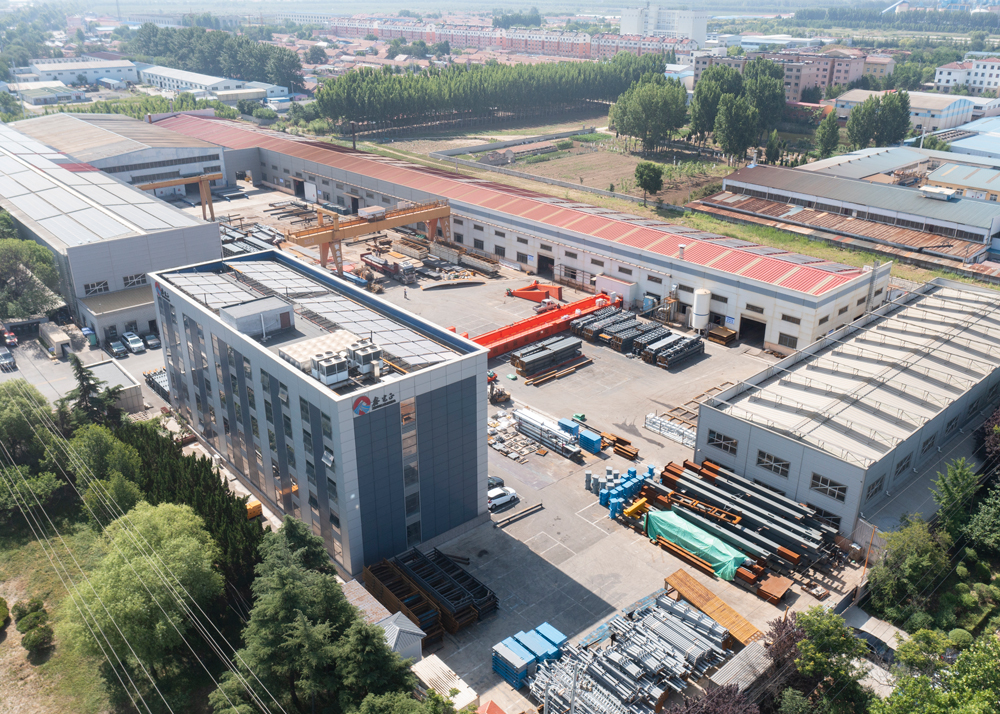
We operate a full-chain integrated service system integrating design & R&D, intelligent manufacturing and engineering management, forming a one-stop service model from project design to finished product delivery.
Backed by an independent design institute with over 60 professional designers and nearly 100 patents (including invention patents and utility model patents), we keep driving technological innovation and continuously optimize product performance and design schemes.
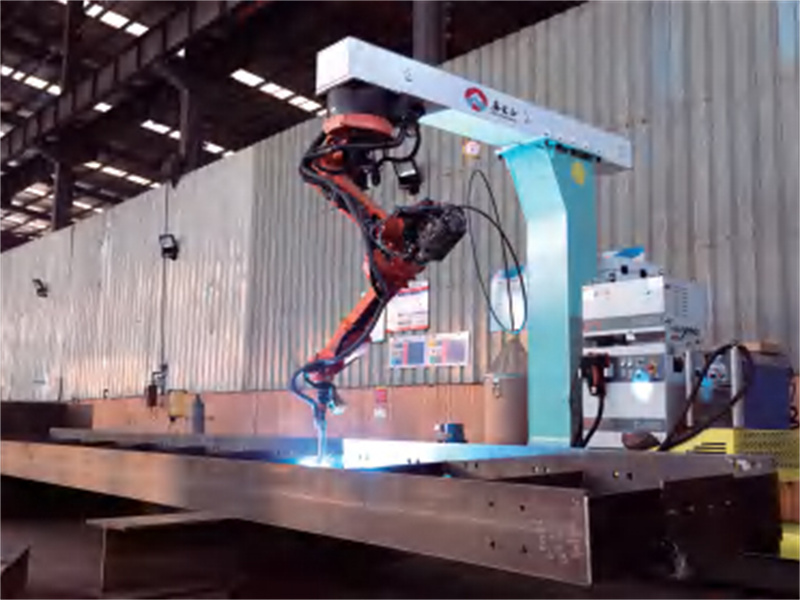
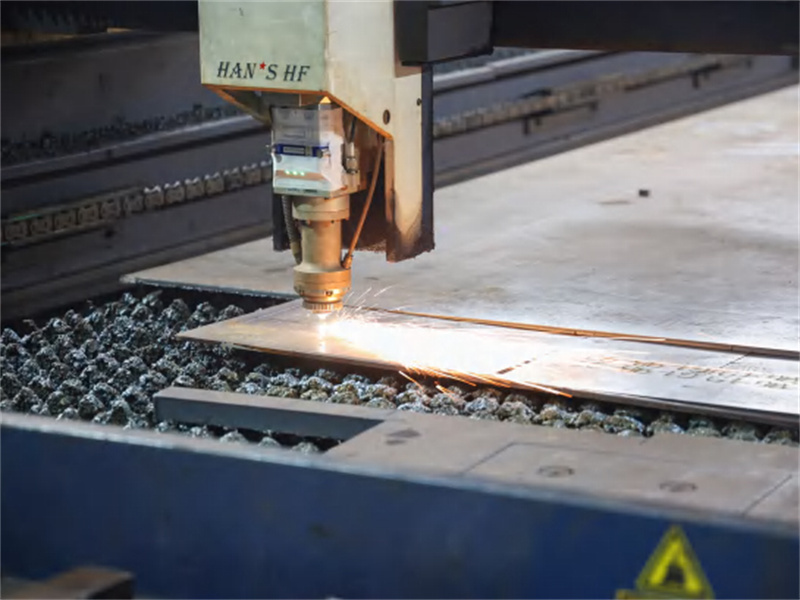
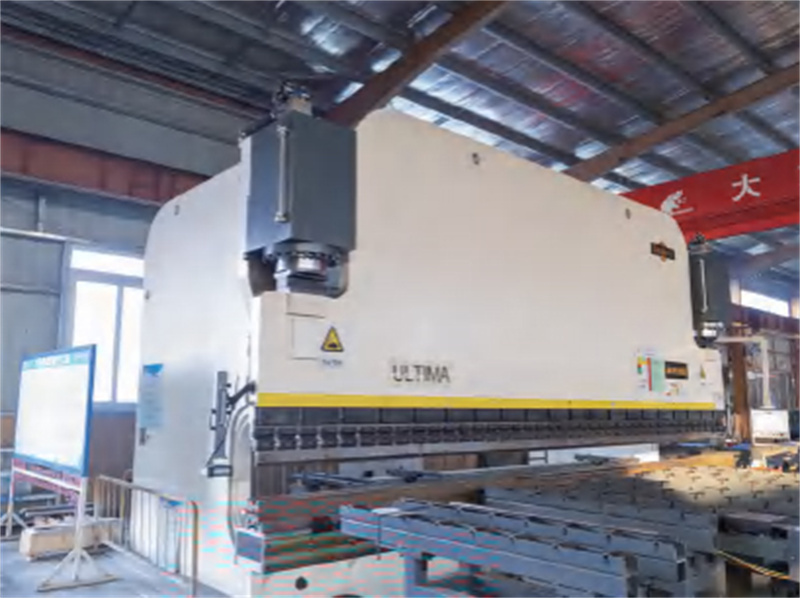
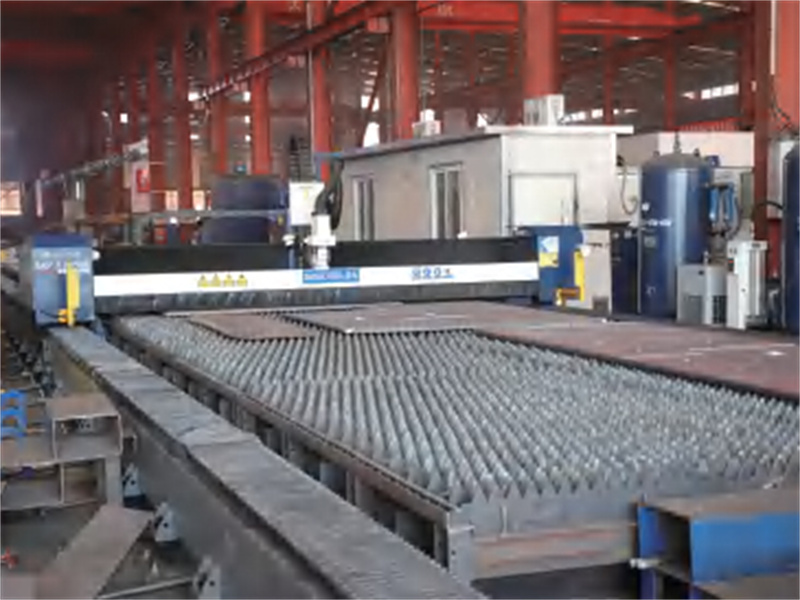
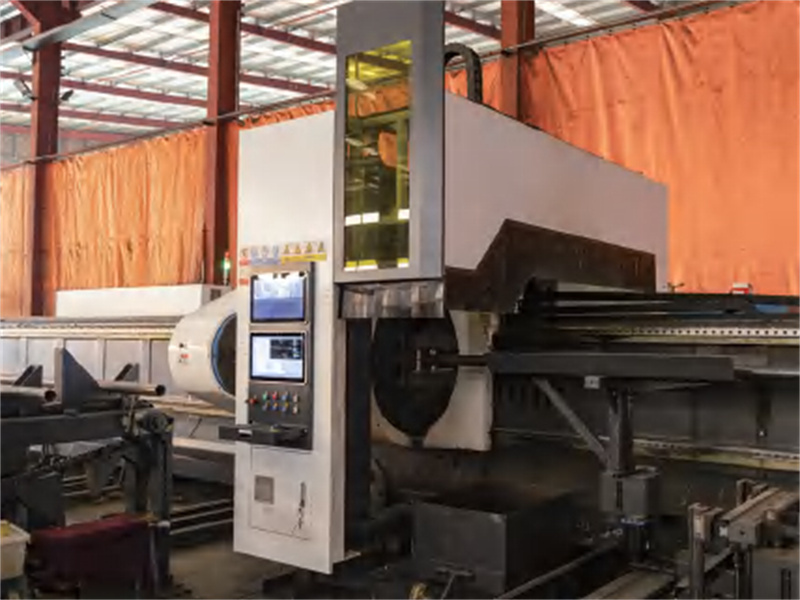
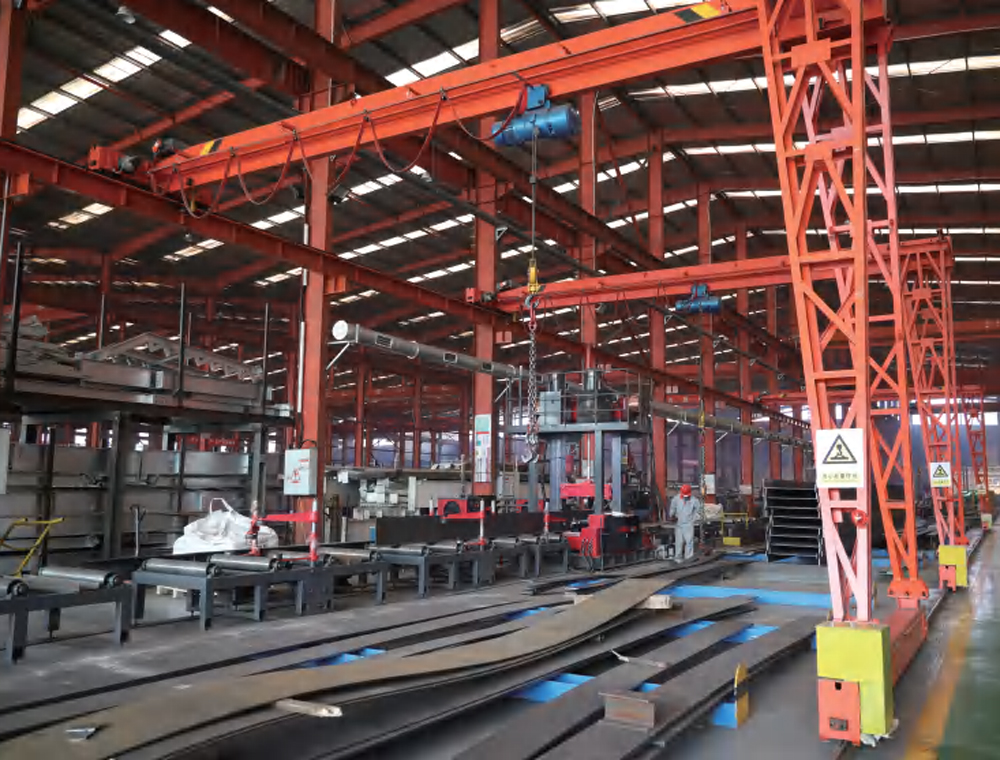
With 12 professional production lines and advanced intelligent equipment such as welding robots, laser cutting machines and numerical control processing centers, our annual production capacity reaches 150,000 tons, enabling us to process diversified steel structure products efficiently and stably, with high precision and strong reliability.
Our warehouse solutions specifically integrate seamlessly with modern inventory management technologies — from automated racking systems and conveyor networks to IoT-enabled monitoring platforms — ensuring that every structure we deliver becomes a high-performance operational asset for your business.
We have obtained complete ISO system certifications, including ISO9001 Quality Management System, ISO14001 Environmental Management System and OHSAS18001 Occupational Health and Safety Management System
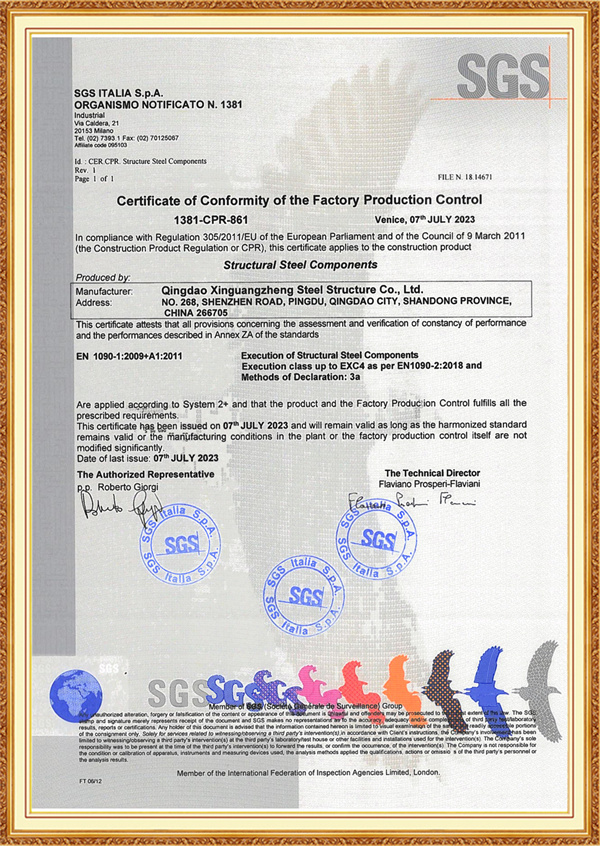
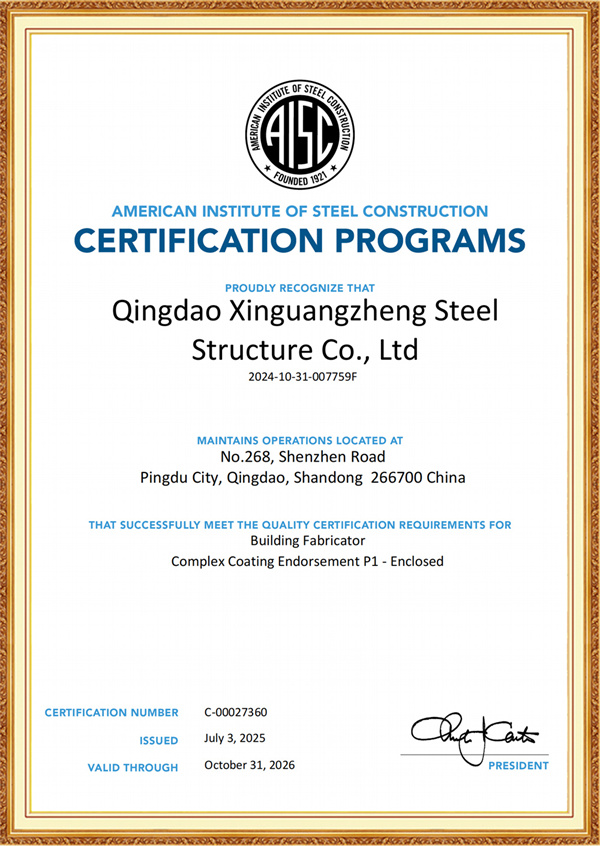


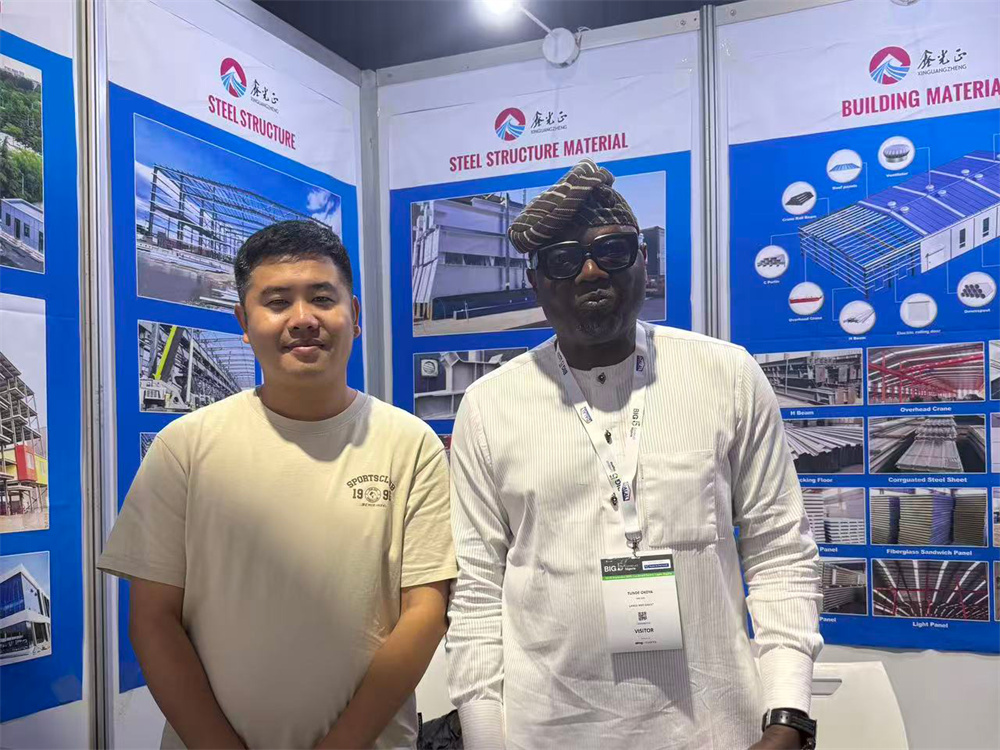
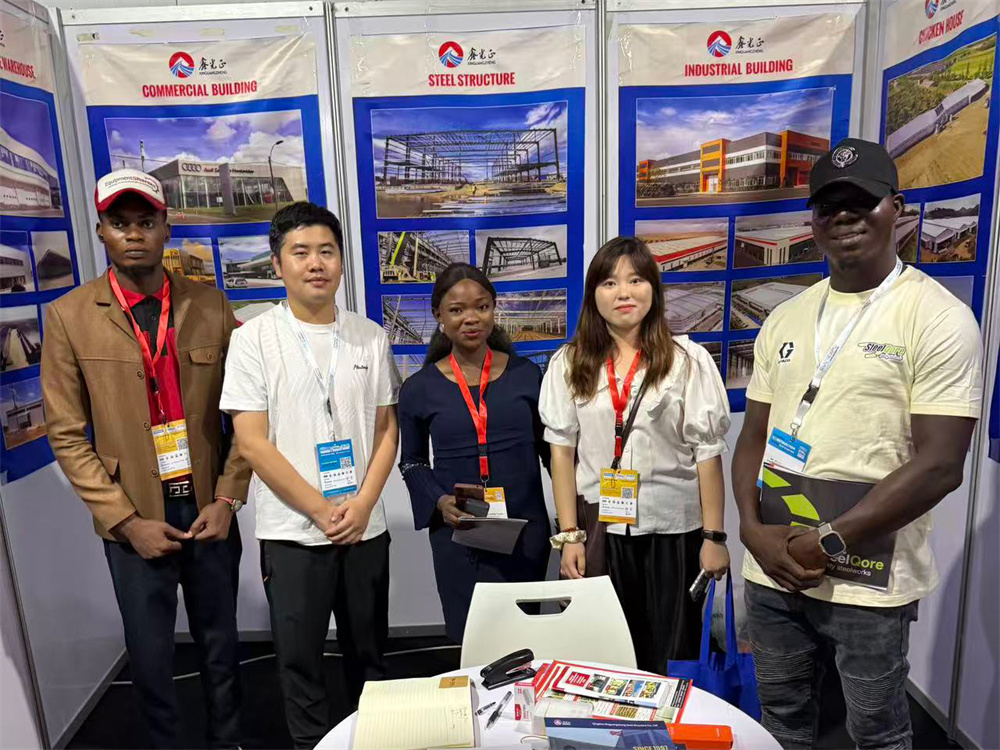
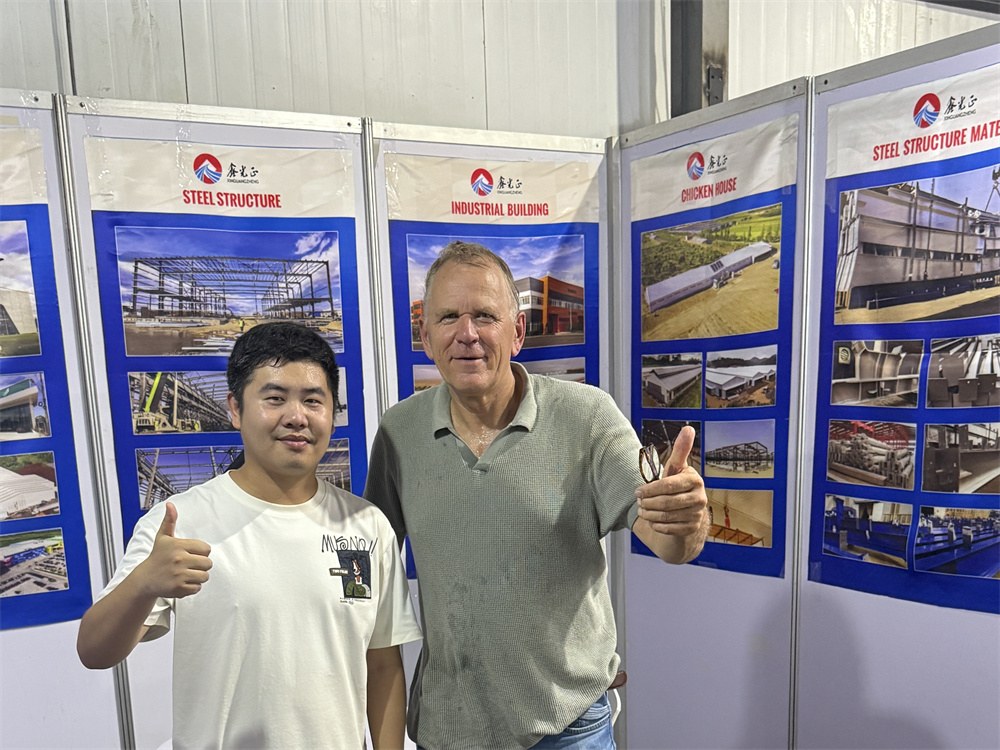
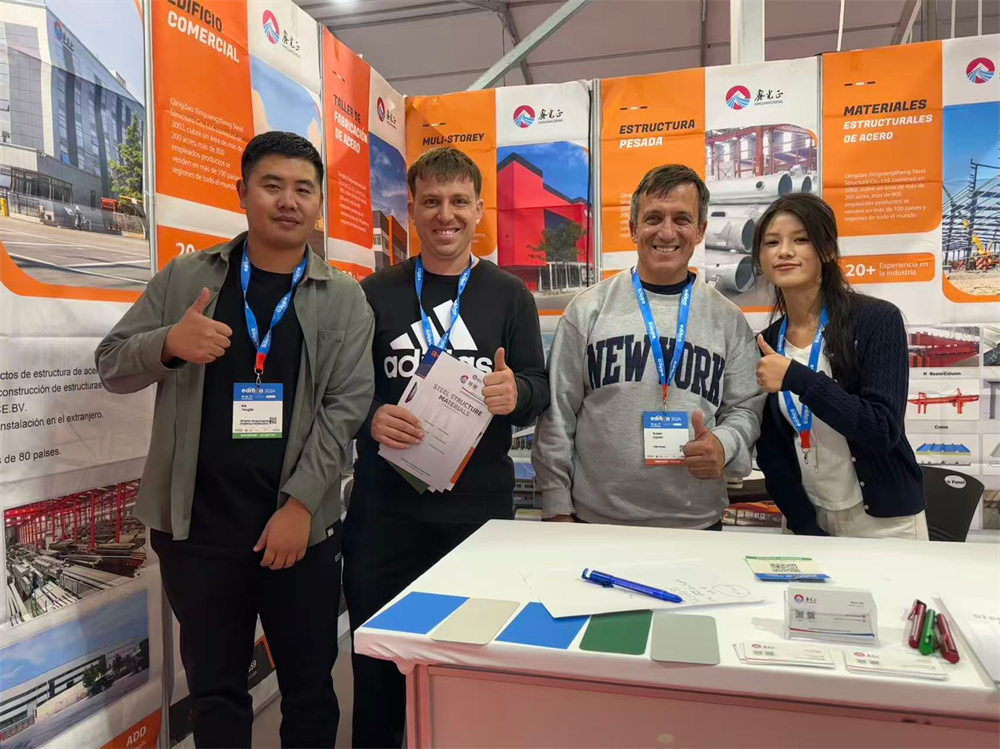
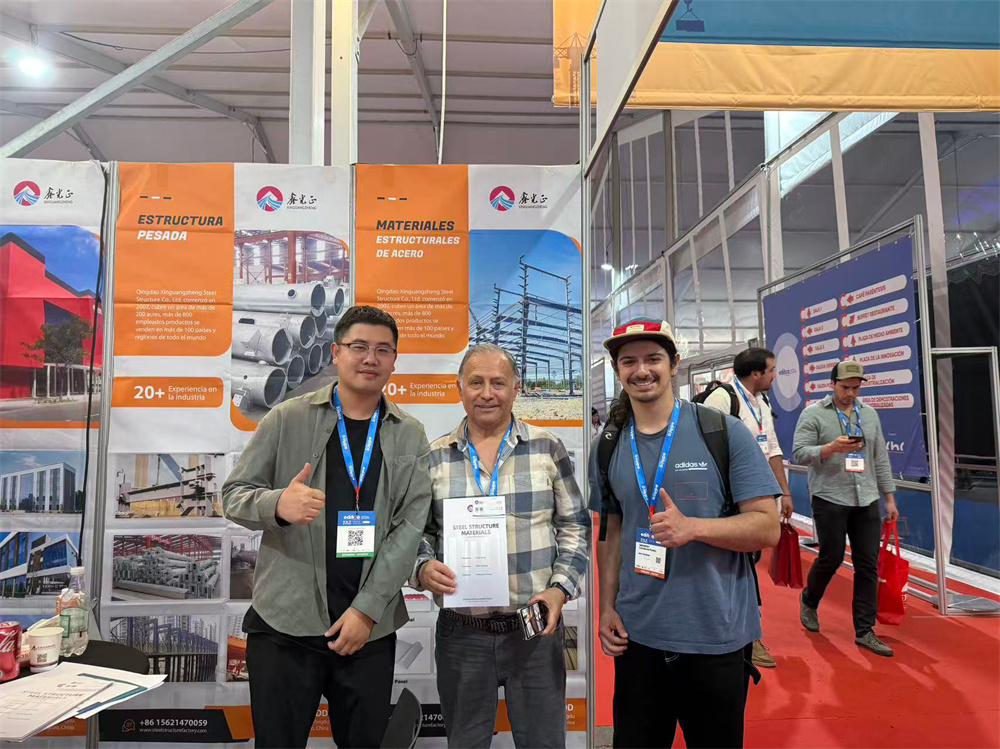
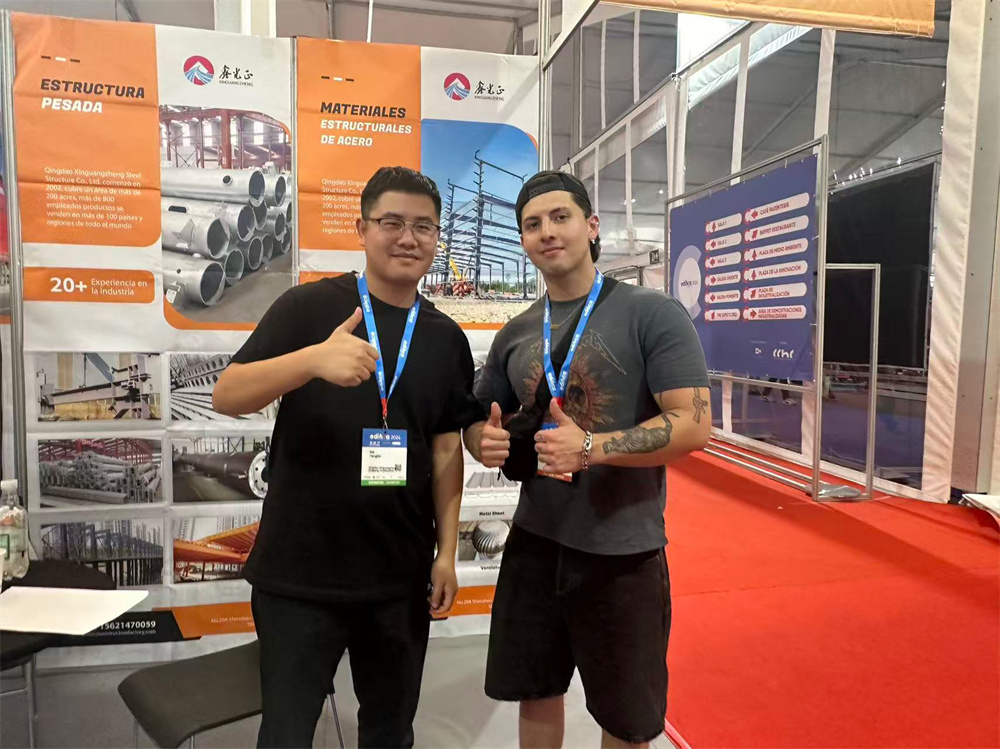

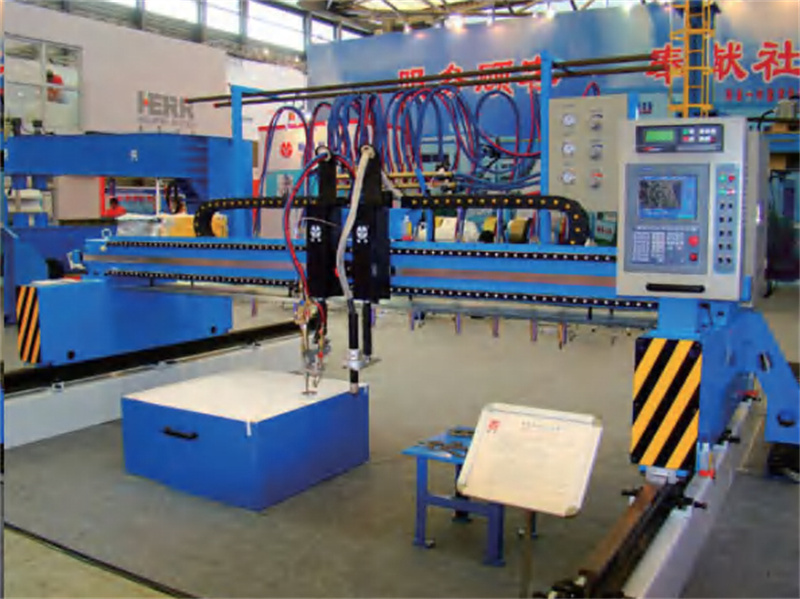
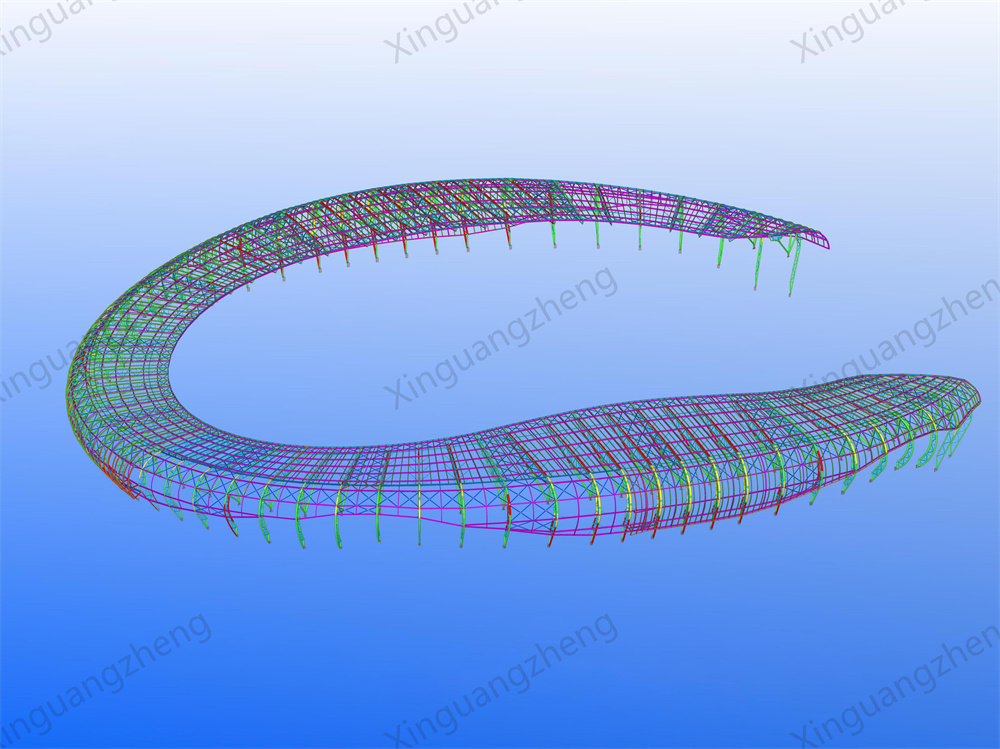
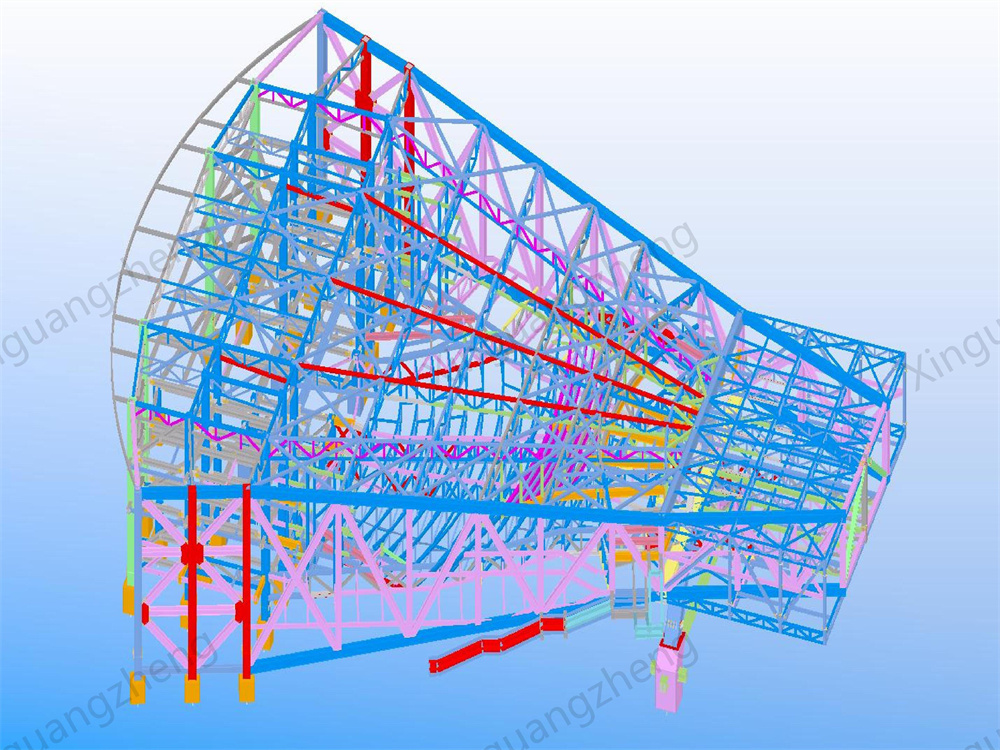
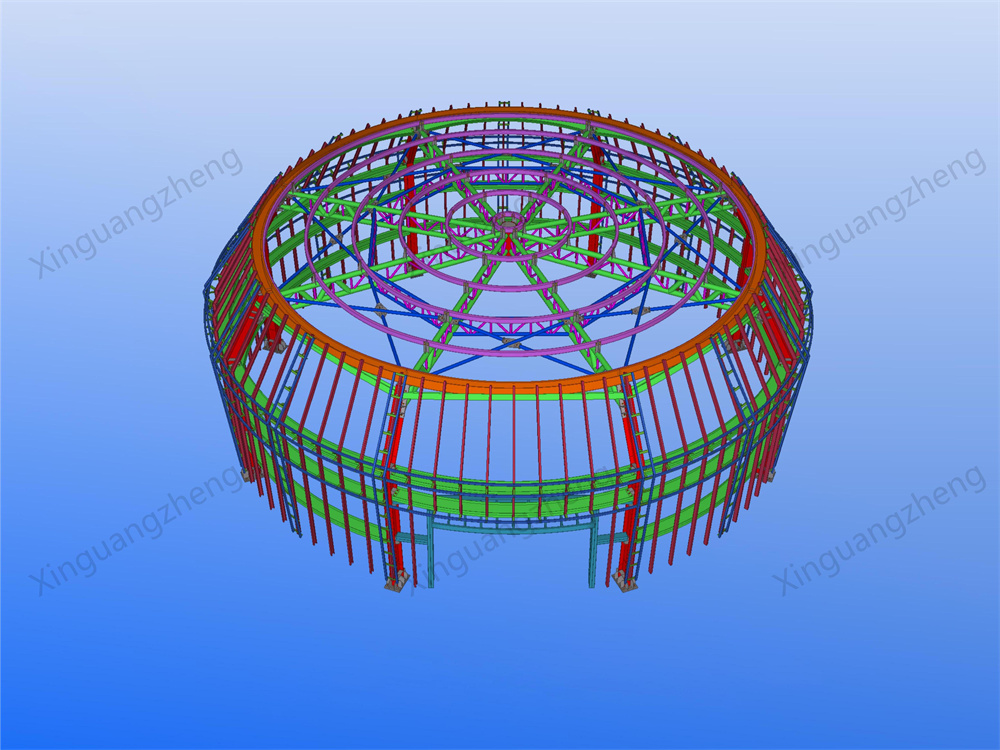
With the vision of becoming a global leader in integrated steel structure services, we uphold the mission of benefiting society, empowering employees and satisfying customers. We actively fulfill social responsibilities, promote green and low-carbon production, and provide employees with a broad development platform. We are dedicated to providing high-quality, efficient and customized solutions for global partners, and look forward to joining hands with you to create a win-win future in the field of steel structure.
Inquiry Now
Explore our complete range of prefabricated steel structure products for every industrial and commercial application.